


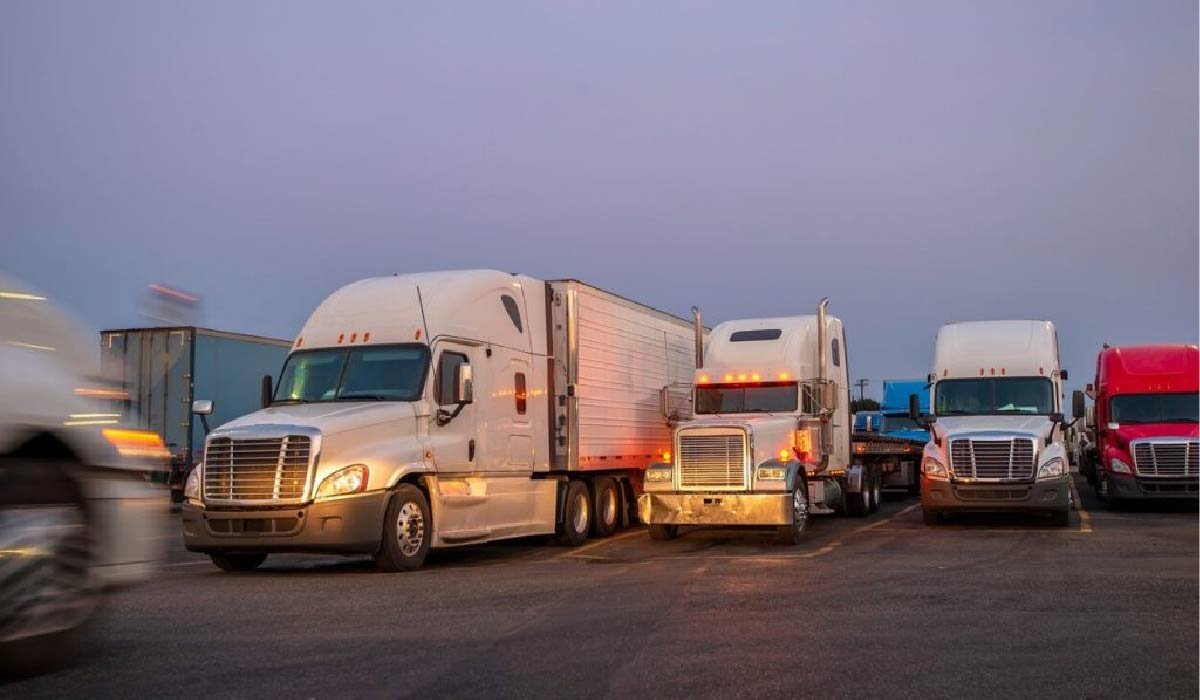
Introduction: The Critical Role of Overnight Parking for 18-Wheelers
Overnight 18-wheeler parking is an essential component of the trucking and logistics industry, directly influencing safety, operational efficiency, and regulatory compliance. Unlike smaller vehicles, 18-wheelers require specialized parking solutions due to their length, weight, and turning radius, making the task of finding a safe and suitable overnight spot far more complex than standard vehicle parking. For long-haul drivers, overnight parking is not merely a matter of convenience; it is a legal requirement under the Federal Motor Carrier Safety Administration (FMCSA) hours-of-service regulations, which mandate specific rest periods to reduce driver fatigue and prevent accidents on highways.
The importance of safe overnight parking has grown significantly in recent years due to increasing freight demand, congestion along major transportation corridors, and limited availability of adequately sized parking spaces. Failure to secure appropriate overnight parking can result in a range of negative outcomes, including vehicle damage, theft, fines for illegal parking, delays in deliveries, and disruptions to supply chains. Ensuring safe, secure, and compliant parking requires a clear understanding of available facilities, regulations, best practices, and technological innovations designed to assist drivers and fleet operators in managing overnight stops effectively.
Types of Overnight 18-Wheeler Parking
18-wheeler drivers have several options when it comes to overnight parking, each offering distinct advantages and challenges depending on the location, vehicle type, and duration of the stop. One of the most common solutions for long-haul drivers is highway rest areas, which provide convenient access along major interstate routes. These facilities are designed to allow drivers to comply with federally mandated rest periods while ensuring safety and basic convenience. Amenities often include restrooms, vending machines, and occasionally fueling stations, though space for large trucks can be limited, particularly during peak travel periods.
Truck stops are perhaps the most widely utilized option for overnight parking. Unlike standard rest areas, truck stops are specifically engineered to accommodate the size and weight of 18-wheelers, offering reinforced pavement, wide lanes, angled parking spaces, and dedicated areas for trailers. Truck stops often provide an extensive range of services, including fueling, maintenance, dining options, showers, and laundry facilities. They may feature both short-term and long-term parking, making them suitable for drivers who need to rest for a few hours or overnight before continuing their route.
Private or fleet-controlled parking lots are another option, typically owned by logistics companies or trucking firms. These facilities offer enhanced security through controlled access, surveillance cameras, and perimeter fencing. Private lots are ideal for drivers returning to a fleet yard or staging area, as they provide convenient access to maintenance services, dispatch support, and other operational necessities.
Municipal or public parking areas occasionally permit overnight 18-wheeler parking, though these locations may come with size, weight, or time restrictions. Public lots are often more limited in terms of security and amenities but can serve as a temporary solution when other options are unavailable. Choosing the right type of overnight parking depends on a combination of factors including proximity to the route, legal regulations, vehicle dimensions, and driver comfort.
Key Considerations for Overnight 18-Wheeler Parking
Several factors must be considered when planning overnight parking for 18-wheelers to ensure safety, compliance, and operational efficiency. Vehicle size and maneuverability are the most obvious considerations. Large trucks require ample turning radius, wide aisles, and sufficient space between vehicles to prevent collisions during entry, exit, or repositioning. Parking areas must accommodate both the tractor and trailer length, ensuring that vehicles do not obstruct traffic flow or create hazards for other drivers.
Security is another critical concern. Facilities with controlled access, video surveillance, adequate lighting, and periodic patrols provide peace of mind for drivers who leave vehicles overnight. Theft, vandalism, or cargo tampering is a significant risk in unsecured parking areas, particularly in high-traffic or remote locations. Drivers should prioritize facilities that provide robust security measures, even if they require a slightly longer detour from their planned route.
Amenities and accessibility are essential for maintaining compliance with hours-of-service regulations and ensuring driver comfort. Facilities that offer restrooms, showers, food, and fuel services allow drivers to complete their required rest periods safely and comfortably. Accessibility also includes ease of entry and exit, minimizing the need for complex maneuvers or backup situations, which can be hazardous in poorly designed lots.
Surface integrity and maintenance are equally important. The weight of an 18-wheeler places significant stress on pavement surfaces. Reinforced asphalt or concrete is essential to prevent damage to the lot and to reduce the risk of accidents caused by uneven surfaces, potholes, or inadequate drainage. Regular lot maintenance ensures that vehicles can park safely and that the facility remains operational over the long term.
Regulatory Compliance for Overnight 18-Wheeler Parking
Overnight parking for 18-wheelers is subject to multiple layers of regulation at federal, state, and local levels. The FMCSA hours-of-service rules dictate when and how long commercial drivers must rest, making access to legal and safe parking a crucial compliance issue. Failure to find suitable overnight parking may force drivers to violate rest requirements, potentially resulting in fines, penalties, and increased liability for both the driver and their employer.
State and municipal ordinances may restrict overnight parking in residential areas, limit the duration of parking in public lots, or impose weight restrictions to protect infrastructure. Commercial drivers must be aware of these local rules and ensure that parking locations comply with applicable regulations. Fleet operators often maintain databases or route-planning tools to track legal overnight parking options along major corridors to mitigate compliance risks and reduce operational inefficiencies.
Challenges Associated with Overnight 18-Wheeler Parking
Despite its importance, overnight 18-wheeler parking faces significant challenges. Limited availability is one of the most pressing issues, particularly along busy interstate highways, near urban centers, or during peak freight travel periods. Truck stops and rest areas can become overcrowded, forcing drivers to park in unsafe or illegal locations, which increases the risk of accidents, theft, or fines.
Security concerns remain prominent, especially in poorly monitored or isolated areas. Unlit lots, insufficient surveillance, and unsecured access points increase the likelihood of theft, vandalism, or cargo tampering. Environmental factors such as heavy snow, ice, rain, or flooding can also complicate overnight parking, making maneuvering hazardous and potentially damaging vehicles.
For fleet operators, logistical planning challenges arise when parking availability does not align with delivery schedules or rest requirements. Drivers may face the difficult choice of stopping too early or too late, potentially compromising compliance with hours-of-service regulations and overall safety. These challenges necessitate proactive planning, real-time information systems, and flexible parking solutions.
Strategies for Optimizing Overnight 18-Wheeler Parking
Effective strategies for overnight parking combine planning, technology, and operational best practices. Advance route planning ensures that drivers are aware of available parking options along their route and can schedule stops in alignment with federal rest regulations. Planning ahead reduces the stress of finding a spot at the last minute and minimizes time spent searching for available parking.
Leveraging technology has become increasingly critical. GPS-enabled applications and real-time occupancy monitoring allow drivers to locate open spaces, reserve spots in advance, and receive notifications about lot availability. Fleet management software can integrate these tools with route planning and hours-of-service tracking to optimize efficiency while maintaining compliance.
Optimizing lot design enhances safety and capacity. Well-marked lanes, wide turning radii, angled parking spaces, and clear signage improve maneuverability and reduce congestion. Collaborative efforts between private operators, municipal authorities, and logistics companies can expand parking capacity, improve safety standards, and support the growing demand for secure overnight truck parking.
Training drivers in safe maneuvering techniques, spatial awareness, and load management also contributes to safer and more efficient overnight parking. Proper procedures for entering and exiting lots, backing trailers, and securing vehicles reduce accidents and protect both personnel and cargo.
Benefits of Proper Overnight 18-Wheeler Parking
Properly managed overnight parking provides numerous benefits to drivers, fleet operators, and the broader transportation system. Safety is enhanced by reducing fatigue-related accidents, minimizing congestion in rest areas, and providing secure spaces for vehicles and cargo. Compliance with hours-of-service regulations reduces the risk of violations and ensures long-term driver well-being.
Operational efficiency improves as drivers can access secure, convenient parking, reducing downtime and avoiding costly delays. Organized parking facilities also minimize wear and tear on vehicles caused by repeated maneuvering or parking in unsuitable areas.
Financial advantages include reduced vehicle damage, lower risk of theft, and avoidance of fines or legal disputes. Investments in well-designed overnight parking solutions pay off through improved fleet performance, reduced insurance costs, and higher driver satisfaction. Amenities such as showers, food, and fueling options contribute to driver comfort, further enhancing efficiency and compliance.
Technological Innovations in Overnight 18-Wheeler Parking
Technological advancements are transforming the overnight parking landscape for 18-wheelers. Mobile apps and real-time GPS tracking allow drivers to identify available parking spaces quickly and reserve them in advance, reducing stress and wait times. Automated ticketing and access control systems streamline entry, while smart lighting, surveillance cameras, and alarms enhance security and operational efficiency.
Some facilities integrate EV charging stations, weather monitoring, and smart guidance systems, making overnight parking safer, more convenient, and environmentally responsible. Fleet operators can use these technologies to improve scheduling, reduce idle time, and ensure compliance with federal and state regulations.
Best Practices for Overnight 18-Wheeler Parking
To maximize safety, efficiency, and compliance, drivers and fleet operators should adhere to best practices for overnight 18-wheeler parking. Drivers should plan routes in advance, identifying secure and legal parking options along their travel corridor. Facilities should be evaluated based on security, accessibility, and amenities, prioritizing locations with adequate lighting, surveillance, and controlled access.
Technology should be leveraged to monitor real-time parking availability, reserve spaces, and track compliance with hours-of-service regulations. Drivers should also consider surface quality, ensuring that lots can safely support the weight of the truck and trailer. For fleet operators, integrating overnight parking into logistics planning ensures compliance, reduces operational delays, and enhances driver well-being, contributing to long-term efficiency and safety.
Conclusion
Overnight 18-wheeler parking is a critical component of safe, efficient, and compliant freight transportation. Proper planning, careful selection of facilities, adherence to regulations, and use of technology ensure that drivers have access to secure, convenient spaces for rest and vehicle management. Challenges such as limited availability, security risks, and environmental hazards can be mitigated through strategic planning, technology integration, and professional training. By prioritizing safe and efficient overnight parking, drivers and fleet operators can improve operational reliability, maintain compliance, enhance driver well-being, and protect vehicles and cargo, ensuring the long-term success of logistics operations.
