


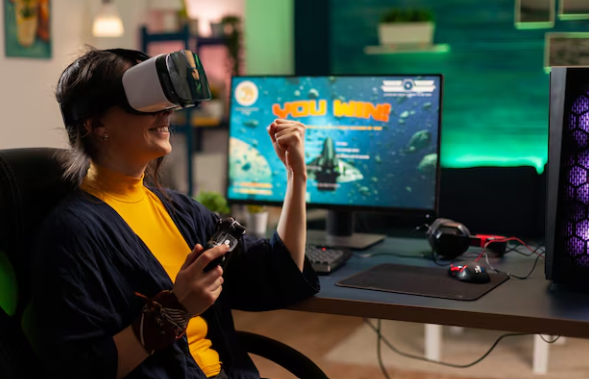
Have you noticed the flood of brilliant, small-team games hitting PC this year? I have — and if you’re a dev, player, or someone curious about where creativity lives, this resurgence matters. In 2026, PC (and especially Steam) is again the first choice for new talent. Let’s unpack why, what it means for devs, and how you and we can ride the wave — with a quick nod to searches if you’re tracking distribution trends or looking at platform-specific audiences.
The numbers that prove it
PC remains a massive, active market with high discoverability and engaged players. Recent platform data shows Steam’s huge active user base and continued revenue leadership — facts that make launching on PC attractive for new teams.
Meanwhile, market reports show stable PC software revenue and a landscape where niche and mid-price titles can still find profitability — a core reason indie creators are choosing PC as their primary stage.
Why PC (and Steam) feel better for new devs right now
- Lower barrier to visibility through events and demos. Steam’s seasonal showcases and demo festivals give indies spotlight moments that are hard to replicate elsewhere. For many teams, a great showing at a Steam festival turns community attention into wishlists and early sales.
- A vibrant indie ecosystem beyond the store. Communities like itch.io keep devs connected, iterating fast, and finding niche audiences. That ecosystem feeds into Steam too — journaling, playtests, and game jams help devs build momentum before a larger launch.
- Tools & monetization that match indie needs. Modern engines, middleware, and storefront features let small teams ship polished experiences faster and with less up-front cost. When we weigh developer time versus potential return, PC’s economics often make more sense than console or mobile exclusives.
What’s changed since the early 2020s?
You might remember a time when discoverability was hopeless, or when mobile paid off easier than PC. The shift isn’t magical — it’s structural:
- Players are craving novel, handcrafted experiences (shorter, clever, experimental games). That demand favors indie sensibilities.
- Distribution tools and promotional events are more creator-friendly, so we can iterate and market without huge publishers.
- Hybrid revenue models and affordable pricing strategies let smaller teams earn sustainable revenue without massive unit sales.
How devs are adapting
If you’re building a small game, here’s what I’d do — and what many successful indies actually did in 2025–26:
- Ship a playable demo for Steam Next Fest and smaller festivals. It’s the fastest path to wishlists and valuable feedback.
- Leverage community platforms first (itch.io, Discord, Reddit). Use those spaces to test mechanics and build a core audience before launch.
- Price thoughtfully: consider sub-$20 strategies for critical mass, then layer DLC or premium editions for higher spenders.
- Prioritize polish in UX — PC players will forgive smaller scope if the experience feels tight, responsive, and well-supported.
Risks and real talk
We shouldn’t romanticize the comeback. Moderation issues, discoverability noise, and rising competition mean we can’t rely on platform power alone. Steam’s dominance brings benefits — and frictions (community moderation and review manipulation are real concerns for some creators). Being prepared for negative noise and building an owned-audience (email lists, Discord) is essential if you want resilience.
Where niche keywords fit
You asked for a piece optimized around 918kiss apk senang menang — that phrase points to audience-specific distribution searches. If you’re studying how players find APKs or niche platform builds, this is a reminder: audience intent matters. For PC indies, matching search intent with clear landing pages, localized messaging, and trustworthy download paths (and linking to authoritative pages like when relevant) helps convert interest into installs or wishlist ads.
Conclusion
We — devs and players — are in a creative sweet spot. The tools are mature, the platforms provide meaningful uplift, and audiences are hungry for fresh voices. If you’re building something that surprises and respects players’ time, PC (especially Steam) is a place where talent can thrive in 2026.
