


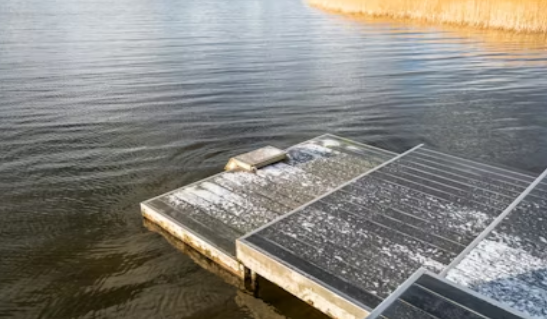
Floating structures have emerged as important components for the development of waterfronts, marine recreation, and the provision of commercial activities on water. From floating structures, marinas and resorts, to water parks and city waterfronts, different floating structures have different functions. For B2B firms investing in water-based facilities, knowing the contrasts between various floating structures is crucial in selecting the appropriate solution for operational needs, maintenance, lifetime cost, and safety.
Hiseadock, for example, provides high-quality floating structures for different functions and is suitable for businesses looking for reliable floating deck and dock solutions. Here is where you can Check their floating dock alternatives:https://www.hiseadock.com/fr/floating-dock/ .
Core Differences Among Various Types of Floating Platforms
Floating platforms can be available in numerous shapes, sizes, and constructions. Although they may often appear similar to each other, they are each manufactured to serve particular use cases, load limits, and surrounding conditions. Some are made for commercial use, others for recreational activities, and some for high circulation boating.
1. Modular Floating Docks
Blocks that interlock with one another to create an adjustable float system are called modular floating docks. The flexibility of these docks combines them with marinas, commercial piers, and boat rental hubs that need to adjust layouts frequently.
Main Characteristics
- Quick construction and deconstruction.
- Entire modules are easily replaceable.
- Ramps, cleats, and safety fittings can all be incorporated.
Repositionable docks are great for marinas where demand varies on a seasonal basis and docking spacing is needed. In addition, dock inventory is streamlined with their modular system, leading to improved efficiency.
2. Drive-On Floating Platforms
With floating structures, drive-on platforms are able to support vehicles, trailers, and equipment directly. These platforms are perfect for boat launching and retrieval, service bays, or integrated land-to-water access.
Main Characteristics
- Premium load-bearing potential.
- Platform and structural design are reinforced.
- Smooth transitions from land to platform to drive-on.
- Great for logistical and maintenance operations.
These platforms are structurally sound enough to handle consistent vehicle transit; with rough use, the infrastructure will not wear. These platforms will significantly enhance the efficiency of a commercial marina, shipyard, and water-based service center.
3. Leisure Floating Platforms
Designed principally for people‑based activities, these platforms accommodate leisure activities such as sunbathing, swimming, diving, and socializing. They are often placed in waterparks, lakeside resorts, and beachfront activities.
Main Attributes
- Less structural load demands than drive-on docks
- Cushy surfaces for barefoot and relaxed walking
- Various optional additions such as seats, shade, and fences
- Safety edges, balanced drainage, and integrated
While they are not intended for access by heavy vehicles or equipment, recreational platforms are designed to foster water engagement. Their appealing and comfort-focused attributes can improve user experience and heighten property values.
Material Considerations: How Construction Affects Performance
Different materials for floating platforms positively and negatively affect their performance. Maintenance, construction, longevity, and overall cost of ownership can all be impacted by the choice of timber, steel, HDPE, or reinforced composite materials.
High‑Density Polyethylene (HDPE)
Of all the materials used for floating platforms, HDPE has emerged as the most frequently utilized due to its premium construction and modern floating platform design. Being corrosion resistant, UV resistant, and non water absorbing makes it ideal for long environments and for use in marine settings.
Pros:
- Has long service life with little maintenance
- Corrosion resistant and does not get affected by salt water
- Easy to install as they are lightweight and strong
- Ideal for modular systems
HDPE planks, like most from Hiseadock, have great versatility in commercial and recreational applications. The material’s performance in extreme environmental conditions also makes it ideal for areas with high weather variability.
Steel and Reinforced Materials
Steel platforms are usually used when incredibly high load capacities are mandatory like in drive-on docks or industrial waterfronts. However, steel also needs to have coatings or treatments done to prevent it from corrosion, particularly when it’s in contact with salt water.
Pros:
- Extremely high structural strength
- Ideal for heavy equipment or industrial applications
- Can be designed for large span platforms
Cons:
- More maintenance due to corrosion
- More complex to install due to the weight
Wood (Traditional)
Wood is a great alternative as it is aesthetically pleasing but carries the trouble of becoming high-traffic, commercially unusable. Wood is also the most loose, with large amounts of pests taking over, requiring maintenance often. When wood is treated, it can be used for recreational applications, but in the long term, compared to the new materials, it falls just short.
Safety and Operational Considerations
In the case of B2B companies, the type of floating platform utilized determines operational and safety impacts. Marina operators and waterfront resorts, government agencies and commercial builders need to consider more than just the initial purchase price.
Stability and Load Consideration
Different platforms are able to manage and sustain different degrees of load. Drive-on docks and industrial pontoons need to be able to sustain high weights without deflection and instability. Recreational platforms are a little less intense, but still need to be able to sustain high activity in a safe manner.
With the right buoyancy and an anchoring system, platforms perform optimally in almost any water condition regardless of tide, wave action, or current. In these circumstances, a flexible anchoring system would be better to eliminate wear on both the platform and the mooring system.
Safety Features and Regulations
When it comes to floating systems and the design of the system, safety permanent testing for the floating systems should be constructed to Systems which incorporate the following safety features:
- Surfaces with a higher coefficient of friction
- Edges that are smooth
- Integrated cleats and mooring points
- Ramps with railing
In the case of public systems, or systems which are highly utilized, the safety standards which are in effect must be followed. Engineers and/or suppliers should be contacted by the B2B purchaser to examine the floating system and confirm it meets the necessary standards.
Lifecycle, Installation, and Maintenance Costs
The initial cost of floating platforms is only a small portion of the total cost of ownership. This is because the primary value of floating platforms is in the services they provide over the duration of their lifecycle, which is a function of their installation, maintenance, and inspection costs.
Installation Costs
Modular floating platforms are usually easier, faster, and cheaper to install than traditional docks. In particular, HDPE systems come in modular pieces that can be assembled without the heavy machinery typically needed to construct docks, saving money on labor at the install stage.
On the other hand, drive-on platforms, and other large specialist structures, may need engineered foundations or anchoring systems. These tier 2 structures may add costs to the installation phase and require more sophisticated anchors or strain.
Inspections and Maintenance Costs
Routine maintenance varies by platform type and material.
- HDPE Platforms: tend to require cleaning and periodic inspection.
- Steel Platforms: Require coatings, rust prevention, and more frequent inspections.
- Wood Platforms: Lastly, they require the most maintenance due to rot and surface treatments.
Life-cycle cost platforms lower the burden on the maintenance side of the equation allowing companies to more freely reassign their maintenance and financial trade-offs which ultimately enhances more of their profit in the future.
Replacement Costs and Lifecycles
Studies on floating platforms shows that materials such as HDPE dominate traditional materials concerning sustainability and lifecycle costing. While the initial costs may be higher than basic wooden docks, the total ownership costs are lower due to a longer service life and fewer repair cycles.
For B2B companies, such an extensive timeframe becomes critical when developing forecasts for capital expenditure. When investing in a floating platform, positive performance and low lifecycle costs are needed to maintain operational efficiency and minimize risk.
Conclusion
More than just dock surfaces, floating platforms are essential infrastructure that facilitates safe, efficient, and enjoyable activities on the water. Whether for marinas, commercial waterfronts, recreational zones, or specialized boating services, knowing the differences between floating platform types helps B2B companies make educated choices and trade-offs between performance, cost, and user experience.
Every solution, from drive-on docks and modular HDPE platforms to recreational pontoons, has a role to play in contemporary waterfront design. Hiseadock is the right partner for businesses wanting quality floating infrastructures that perform reliably and last. They offer a range of floating dock solutions that are tailored to commercial requirements. Check out their floating docks here: Hiseadock Floating Docks.
