


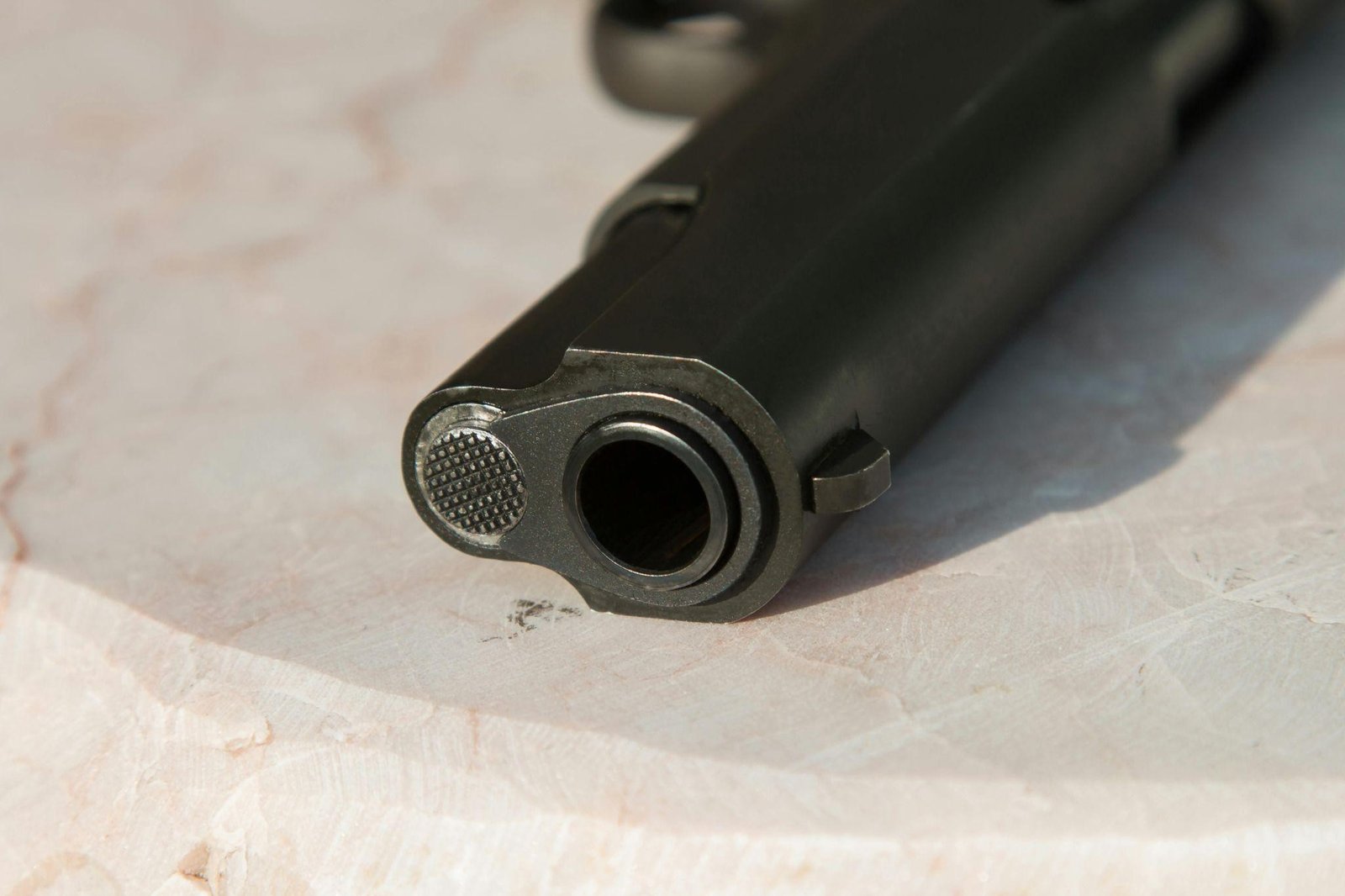
Selecting a certified gunsmith for firearm repairs requires careful consideration of multiple factors that directly impact both safety and quality. While many individuals claim expertise in gun repair, distinguishing between qualified professionals and amateur tinkerers demands scrutiny of specific credentials, experience levels, and business practices. The consequences of choosing poorly can range from voided warranties to catastrophic safety failures. This becomes even more important when dealing with older equipment or specialized repairs involving hard to find pistol parts, where precision and professional accountability matter most. Understanding the essential criteria for vetting gunsmiths protects both valuable firearms and, more importantly, the lives depending on their reliable function.
Verify Credentials and Licensing
When selecting a certified gunsmith, validating their credentials and licensing should be the first priority. Professional gunsmiths typically hold certifications from recognized institutions like the American Gunsmithing Institute or the Pennsylvania Gunsmith School. These credentials demonstrate proper training in firearm mechanics, safety protocols, and repair techniques.
Check state and local licensing requirements, as regulations vary by location. Some jurisdictions mandate specific permits for gunsmithing operations. Request documentation proving current licensure and ask about specialized certifications for particular firearm types or manufacturers.
Membership in professional organizations such as the American Custom Gunmakers Guild indicates commitment to industry standards. Additionally, validate insurance coverage for liability protection. Reputable gunsmiths willingly provide proof of qualifications and maintain transparent business practices. Taking time to confirm credentials guarantees firearms receive expert care from qualified professionals.
Look for Specialized Experience
Beyond verifying basic credentials, firearm owners should seek gunsmiths with specialized experience matching their specific needs. Different firearms require distinct expertise, vintage rifles demand knowledge of obsolete parts and historical accuracy, while modern semi-automatics need understanding of current manufacturing standards and polymer components.
Owners should inquire about the gunsmith’s experience with their specific firearm type, manufacturer, and model. A specialist in bolt-action hunting rifles may lack proficiency with double-action revolvers or AR-platform rifles. Request examples of previous work on similar firearms and ask about common issues affecting that particular model.
Competition shooters, collectors, and tactical firearm users each require different specializations. Finding a gunsmith whose primary focus aligns with the intended firearm use guarantees proper repairs and modifications that maintain safety, reliability, and intended performance characteristics.
Prioritize Safety Standards
A gunsmith’s commitment to safety protocols should rank as the paramount consideration when selecting a firearms professional. Verify that the gunsmith maintains a clean, organized workspace with proper ventilation and designated areas for different repair activities.
Ask about their procedures for handling live ammunition, chamber checks, and lockout protocols before beginning work. Request information about their compliance with OSHA regulations and local safety ordinances.
A reputable gunsmith will gladly discuss their safety certifications, insurance coverage, and incident-free track record. Observe whether they wear appropriate protective equipment and follow established industry safety procedures during consultations.
Inquire about their ammunition storage practices and emergency response protocols. Gunsmiths who prioritize safety demonstrate professionalism through documented procedures, regular safety training, and transparent communication about potential risks during repairs.
Check Reputation and Reviews
How can potential clients accurately assess a gunsmith’s professional standing within the firearms community? Begin by examining online reviews across multiple platforms, including Google Business, specialized firearms forums, and social media groups. Look for consistent patterns in feedback rather than isolated complaints or praise.
Request references from previous clients who required similar services. Contact local shooting ranges and gun clubs, as staff members often maintain networks of trusted gunsmiths and can provide candid assessments.
Verify membership in professional organizations like the American Gunsmithing Association. Check with the Better Business Bureau for complaint history and resolution practices. Examine the gunsmith’s portfolio of completed work through photographs or in-person examples. Quality craftsmanship speaks directly to their capabilities and attention to detail.
Ask About Warranty and Service Guarantees
Once research confirms a gunsmith’s credibility, prospective clients should inquire about warranty coverage and service guarantees before authorizing any work. Reputable gunsmiths stand behind their repairs with written warranties that specify coverage duration and scope. These guarantees should clearly outline what defects or failures are covered, typical warranty periods for different services, and any conditions that might void protection.
Gun owners should request detailed documentation of warranty terms rather than accepting verbal promises. Questions about liability for subsequent malfunctions, coverage of parts versus labor, and procedures for addressing unsatisfactory work demonstrate due diligence.
Gunsmiths who hesitate to provide written guarantees may lack confidence in their craftsmanship. Professional firearms technicians understand that extensive warranties protect both parties and willingly provide transparent service agreements that establish clear expectations and accountability.
Confirm Legal and Ethical Compliance
When selecting a certified gunsmith, verifying legal compliance protects gun owners from potential criminal liability and guarantees proper handling of regulated firearms. Reputable gunsmiths maintain current Federal Firearms Licenses (FFL) and comply with Bureau of Alcohol, Tobacco, Firearms and Explosives regulations. Gun owners should request to see license documentation and verify credentials through official ATF databases.
Ethical gunsmiths also adhere to state and local firearms laws, including proper record-keeping and transfer procedures. They refuse modifications that violate the National Firearms Act, such as illegal suppressors or unregistered short-barreled rifles.
Professional gunsmiths maintain liability insurance and follow industry safety standards established by organizations like the American Gunsmithing Association. Confirming compliance prevents legal complications and guarantees repairs meet regulatory requirements while maintaining firearm safety and functionality.
Compare Communication and Professionalism
Beyond regulatory compliance, a gunsmith’s communication style and professional demeanor reveal their reliability and customer service standards. Evaluate how promptly they respond to inquiries and whether they provide clear explanations about repair processes, timelines, and costs.
Professional gunsmiths offer detailed written estimates before beginning work and maintain transparent communication throughout the repair. Observe their workshop environment during initial consultations. A well-organized space with proper tool maintenance indicates attention to detail. Note how they handle firearms, careful, methodical handling demonstrates respect for safety protocols.
Request references from previous customers and review online testimonials. Consistent positive feedback about communication responsiveness and professionalism suggests dependable service. Warning signs include vague answers, reluctance to provide documentation, or pressure tactics encouraging unnecessary repairs. Trust develops through transparent interactions and demonstrated expertise.
