


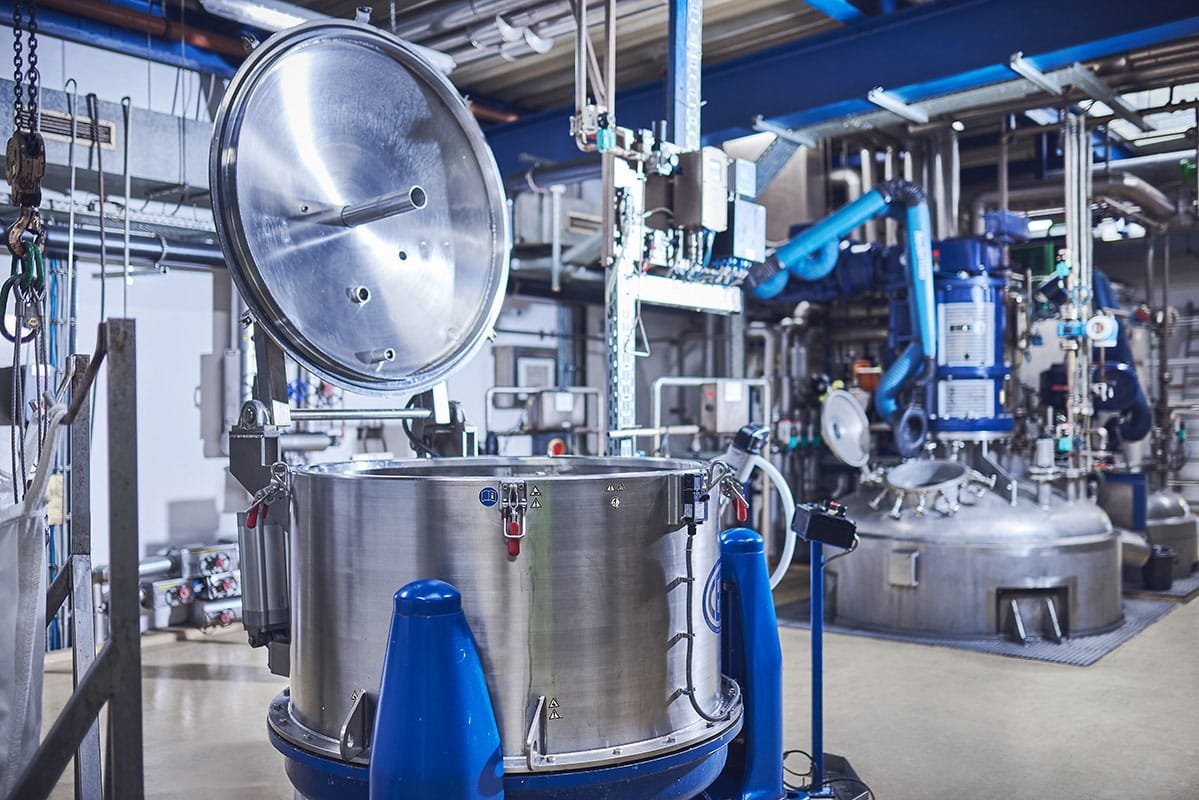
Contamination is one of the fastest ways to shorten the life of industrial oil systems. Metal fines, dirt, carbon residue and water turn clean oil into an abrasive fluid that damages pumps, bearings and tooling. While traditional filters remove some debris, they often miss the smallest and most damaging particles. This is where a centrifuge plays a critical role.
A centrifuge removes contaminants from oil by spinning the fluid at high speed and using centrifugal force to separate particles that are heavier than the oil itself. For facilities dealing with fine solids, high contamination loads or extended oil life targets, centrifugal separation provides a reliable alternative to disposable filter media.
Inside centrifugal separation
At its core, a centrifuge works on a simple physical principle. When oil enters a rapidly spinning bowl, heavier materials are forced outward while the lighter oil remains closer to the centre. This separation happens continuously while the system is running.
Contaminated oil is fed into the centrifuge bowl, which typically rotates at several thousand revolutions per minute. As the oil spins, solid particles such as metal shavings, dirt and sludge migrate outward and collect on the inner wall of the bowl. Water droplets, which are denser than oil, behave in the same way and are separated simultaneously. Clean oil remains in the centre and exits through a dedicated outlet back into the system.
Because separation is achieved through force rather than filtration media, the process does not rely on pores or barriers that can clog or degrade over time. Contaminants accumulate gradually and are removed during scheduled cleaning, allowing the system to operate continuously without interrupting production.
Centrifuge vs conventional oil filters
Traditional oil filters work by forcing fluid through a physical medium. This approach captures larger particles effectively but struggles with very fine contaminants. As debris builds up, filters restrict flow, require frequent replacement and create ongoing consumable costs.
A centrifuge operates differently. There is no filter element to block or replace. The same unit can handle light contamination during normal operation and heavy sludge during peak load conditions without losing efficiency. This makes centrifugal separation particularly effective in environments where contamination levels fluctuate or remain consistently high.
While a basic filter housing has a lower upfront cost, the long-term economics often favour centrifugal systems. Facilities processing abrasive alloys, operating high-duty machinery or running extended oil change intervals frequently recover the initial investment through reduced filter purchases, lower disposal costs and improved equipment reliability.
Types of contamination removed
Centrifugal separation is especially effective for fine, dense particles that are difficult to capture using standard filtration. In metalworking environments, microscopic steel and alloy fines are heavy enough to migrate outward under centrifugal force, even when they are well below the capture range of conventional filters.
In food processing, power generation and hydraulic systems, centrifuges also remove entrained water and organic solids that compromise lubrication quality. The design of the rotor determines separation efficiency. Solid-bowl centrifuges are suited to high solid loads, while disc-stack designs improve performance where water is finely dispersed throughout the oil.
This versatility allows centrifuges to be applied across a wide range of industries without requiring frequent system redesigns.
Continuous operation and maintenance
Most oil centrifuges are installed directly into the oil circulation loop. Oil flows through the unit continuously, contaminants are separated during operation, and clean oil is returned to the system without interruption.
Compared with cartridge filters, centrifuges draw more electrical power. However, they eliminate the need for disposable filter elements, which significantly reduces ongoing consumable costs in high-contamination systems. Maintenance is generally limited to scheduled inspections, bowl cleaning and routine checks of seals and bearings.
Once installed and commissioned correctly, a centrifuge becomes a passive part of the oil system rather than a recurring maintenance task.
Why industry is shifting toward centrifugal separation
Broader research into industrial filtration highlights a clear trend toward continuous separation technologies that reduce manual intervention and consumable waste. A peer-reviewed study published in a Journal of Science and Technology notes that modern industrial filtration increasingly favours continuous processes over batch-based systems, improving flow consistency while lowering operating and labour costs.
Centrifugal oil filtration aligns with this shift by removing contaminants continuously rather than relying on periodic filter changes. This approach supports longer oil life, more stable system performance and reduced downtime, particularly in demanding industrial environments.
Sizing and installation considerations
Correct sizing is critical for centrifuge performance. Flow rate is the starting point, as high-volume systems require larger bowls or multiple units to maintain effective separation. Smaller systems may be served by compact centrifuges mounted directly on existing tanks.
Operating conditions also matter. Warm oil separates more easily than cold oil, but excessive heat accelerates wear on seals and bearings. Physical layout influences installation as well. Bowl-type centrifuges require clearance for solids discharge and maintenance access. Some units mount directly to tanks, while others require dedicated foundations and piping.
Understanding these factors early prevents underperforming installations and ensures consistent long-term results.
Getting the right expertise
Oil contamination varies significantly between industries. A textile plant, a steel mill and a food processor all face different particles, temperatures and flow demands. Selecting the wrong centrifuge configuration can lead to inconsistent separation and unnecessary maintenance.
Working with specialists in oil and coolant filtration reduces the risk of mismatched equipment and ensures the centrifuge performs as intended once it is in service.
If you are evaluating a centrifuge for your operation, understanding how centrifugal separation works and where it fits within your oil system is the first step toward extending fluid life and protecting critical machinery.
