


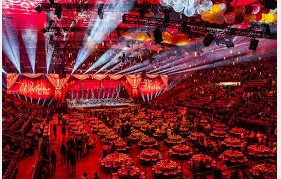
In creative events, audiences don’t just watch the show, they feel it. Lighting plays a crucial role in shaping that emotional experience. From intimate art performances to high-energy DJ nights and brand activations, the right lighting ideas can turn a simple setup into a visually unforgettable moment.
Below are five stage lighting ideas that consistently help creative events stand out, regardless of venue size or budget.
- Use Lighting to Tell a Visual Story
Great lighting doesn’t exist in isolation. It supports the narrative of the event. Instead of treating lights as decorative add-ons, think of them as storytelling tools.
Soft, steady lighting can introduce a calm or emotional segment, while sharper beams and faster movement can signal energy and excitement. Even subtle changes in brightness or color temperature can guide audience emotions without them consciously realizing it.
Thoughtful stage lighting design helps reinforce the rhythm, pacing, and emotional arc of the event itself.
- Create Depth with Layers, Not Brightness
Many events make the mistake of relying on brightness alone. The most visually impressive setups rely on layers.
Front light ensures performers are clearly visible. Back light separates them from the background. Accent lighting on walls, trusses, or set pieces adds texture and depth. This layered approach creates a three-dimensional look that feels immersive rather than flat.
Even small venues can feel cinematic when lighting is layered intentionally.
- Use Color Palettes with Purpose
Color is one of the fastest ways to influence mood. Instead of cycling randomly through every available color, choose a controlled palette that matches the event’s theme.
Warm tones work well for intimate performances and talks, while cooler colors can create atmosphere and mystery. High-contrast color shifts are best saved for key moments, such as drops, reveals, or finales.
Consistency in color choices makes the event feel designed rather than improvised.
- Add Movement — but Keep It Meaningful
Motion instantly adds life to a space, but too much movement can feel chaotic. Slow pan and tilt movements during ambient sections keep the room visually alive without stealing attention.
For high-energy moments, sharper movements and dynamic effects can elevate excitement, but only when timed intentionally. Movement should enhance the performance, not compete with it.
The goal is controlled energy, not visual noise.
- Use Lasers as Accents, Not the Main Act
Lasers can be incredibly powerful when used sparingly. Thin beams cutting through haze add depth, drama, and a sense of scale, especially in electronic music and nightlife settings.
Rather than running lasers continuously, use them as accents for musical peaks or visual highlights. When integrated thoughtfully, laser lights enhance atmosphere without overwhelming the audience or the performers.
Balance is what turns lasers from gimmicks into design tools.
Final Thoughts
Creative events don’t need massive rigs or excessive effects to impress. What audiences remember is cohesion, when lighting, sound, performance, and space feel like they belong together.
By focusing on storytelling, layering, intentional color, controlled movement, and tasteful effects, lighting becomes more than illumination. It becomes part of the experience, and that’s what truly wows audiences.
