


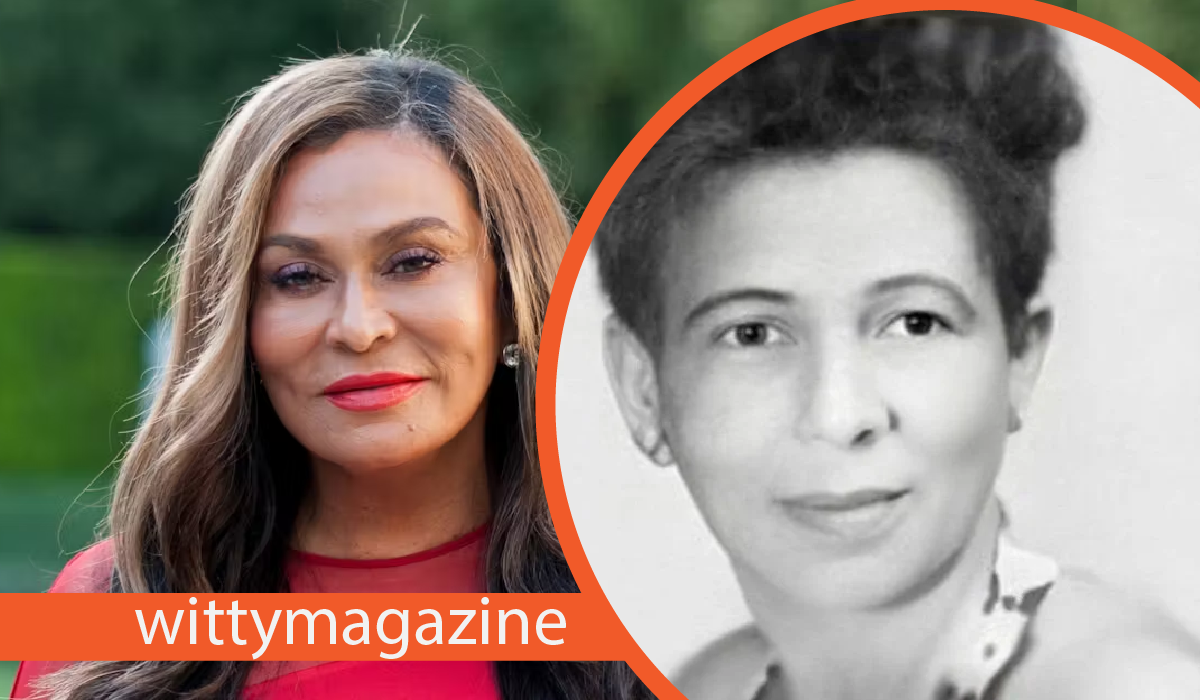
The name Agnéz Deréon holds a unique place in fashion and culture, often linked to two powerful yet very different legacies. One belongs to Agnéz M. Derouen Beyincé, the Creole seamstress and grandmother of Beyoncé, whose craftsmanship inspired the House of Deréon fashion line. The other refers to Agnéz Deréon, the Indonesian streetwear brand launched by Agnez Mo, known for bold, youthful designs. As interest in both origins rises, understanding these stories helps explain how one name came to represent heritage, creativity, and style across two continents. This article breaks down each legacy clearly—its history, cultural impact, and enduring influence on modern fashion.
What Does the Name “Agnéz Deréon” Mean?
The name Deréon carries a stylistic French-Creole flavor, often associated with elegance, refinement, and heritage. Its accented spelling reflects Louisiana Creole linguistic traditions influenced by French colonial history, African ancestry, and Southern identity. In the entertainment world, “Deréon” became globally recognized when Tina Knowles and Beyoncé stylized their family surname into a fashion-ready brand title honoring their matriarch.
Meanwhile, Agnez Mo’s Indonesian brand uses a similarly styled spelling to evoke luxury, high fashion, and global appeal. Because both uses share the same phonetic and visual presence, many Google users mistakenly assume they refer to the same person or brand. In reality, one represents a historical figure rooted in Creole culture, while the other is a modern fashion label created by an Indonesian pop icon. Understanding these distinctions helps untangle search confusion and gives each legacy the respect it deserves.
Early Life of Agnéz Deréon
Agnéz M. Derouen Beyincé—known today as Agnéz Deréon—was born in either Abbeville or Delcambre, Louisiana, both small towns deeply rooted in Creole culture. Born into a large family with up to sixteen children, she grew up surrounded by the artistic and culinary richness that defined Louisiana’s Creole identity. Early 20th-century America offered limited opportunities for Black and Creole women, yet these communities cultivated sophisticated traditions in dressmaking, embroidery, and handcrafted textile work.
In this environment, young Agnéz absorbed techniques, styles, and artistic sensibilities that shaped her lifelong passion for sewing. The blend of French, African, Spanish, and Native American influences in Creole culture inspired elaborate silhouettes, vibrant patterns, and fine needlework—elements that later echoed in her legacy through several generations of women in her family.
Marriage, Family, and the Knowles Lineage
Agnéz married her first husband, Mervin Marsh, at a young age and had two children, Selina and Mervin Jr., before the marriage ended. Her life took a new direction when she married Lumis Albert Beyincé, forming a blended family that would ultimately shape the cultural and artistic DNA of future generations. Among her children was Tina Knowles, who inherited Agnéz’s creativity, business instincts, and passion for fashion.
The family later moved to Galveston, Texas, where Agnéz spent the last three decades of her life and became an active member of Holy Rosary Catholic Church. Her values—faith, discipline, creativity, and family devotion—were passed down through her daughters and grandchildren, eventually influencing celebrities like Beyoncé and Solange. Through these descendants, her Creole heritage and craftsmanship gained international visibility.
More From Info: Paula Profit: Inspiring Life Story Of A Strong And Successful Woman
Agnéz Deréon as a Seamstress – The Craft That Built a Legacy
Agnéz was renowned in her community as a gifted seamstress whose work went far beyond simple garment construction. She created wedding gowns, church dresses, formal attire, and custom pieces that carried the elegance and precision of Creole craftsmanship. During a time when racial segregation and gender limitations restricted economic mobility, sewing became a powerful form of financial independence for many women.
Agnéz used her talents to provide for her family and to build a professional identity rooted in excellence. Her reputation for intricate beadwork, clean stitching, and flattering silhouettes grew over the years, earning her admiration throughout the local community. Stories shared by Tina Knowles recall how Agnéz approached fashion with deep pride—cutting fabric on dining tables, spending long nights perfecting garments, and teaching her daughters the discipline and artistry behind sewing.
Influence on Beyoncé, Tina Knowles, and Modern Fashion
Agnéz’s influence did not end with the clothes she made; it shaped the creative vision of two generations of fashion-driven women. Tina Knowles often describes her mother as her first and greatest teacher in sewing, design, and style interpretation. When Tina became Beyoncé’s stylist and costume designer in Destiny’s Child’s early years, she channeled techniques learned from Agnéz—mixing frills, bold colors, embroidery, and form-flattering designs.
Beyoncé has repeatedly spoken about her grandmother’s elegance and strength, crediting her as a foundational figure in the family’s creative identity. Many of Beyoncé’s visual themes—femininity, glamour, Creole beauty, and pride—reflect intergenerational inspiration rooted in Agnéz’s life and artistry. Her spirit lives in every tailored bodysuit, hand-embroidered gown, and bold fashion statement created by the Knowles lineage.
The Creation of the House of Deréon
The House of Deréon was launched in 2006 by Beyoncé and her mother Tina as a tribute to the matriarch who shaped their artistic foundation. They chose the maiden name Deréon to honor Agnéz’s craftsmanship, transforming family heritage into a global fashion brand. The brand’s identity—summarized by the slogan “Couture. Kick. Soul.”—symbolized the fusion of three generations:
- Couture for Agnéz’s refined, elegant dressmaking,
- Kick for Tina’s bold and modern design sensibilities,
- Soul for Beyoncé’s creative and cultural expression.
House of Deréon featured denim, dresses, eveningwear, and performance outfits inspired by Creole patterns, lace, embroidery, and vintage silhouettes. Marketing campaigns starring Beyoncé highlighted empowerment, heritage, and strong female lineage. The brand resonated internationally, becoming a cultural moment in African-American fashion history by celebrating a matriarchal legacy seldom recognized on global runways.
Passing and Legacy of Agnéz Deréon
Agnéz Deréon passed away on July 4, 1980, in Galveston, Texas, leaving behind a vast family and a deeply rooted cultural legacy. Her funeral, held at Holy Rosary Catholic Church, honored both her faith and her role as a pillar of her community. Today, she remains an important symbolic figure in African-American and Creole fashion history. Her influence is immortalized in Beyoncé’s career, Tina’s design work, and the House of Deréon brand. Even decades after her passing, Agnéz’s story demonstrates how one woman’s craftsmanship, resilience, and creativity can ripple through generations to shape global artistic culture.
The Agnéz Deréon Fashion Brand – Origins and Founders
Launch year: 2008
Founders: Agnez Mo and her mother, Jenny Rini
The Indonesian brand Agnéz Deréon emerged during a period of rapid transformation in Indonesian youth culture. Agnez Mo, already a celebrated entertainer in Southeast Asia, envisioned a fashion label that captured the boldness, confidence, and expressive spirit of modern teens. The collaboration with her mother created a balance between creative flair and business structure. The name combined Agnez Mo’s personal identity with a high-fashion European-inspired styling, giving the brand an internationally appealing aesthetic. It reflected a youthful, energetic, and global personality consistent with Agnez Mo’s musical and performance style.
Indonesian Cultural Influence on the Brand
Indonesia in the 2000s saw a surge in Western pop influence mixed with local street culture. Teenagers embraced bolder expression, and local designers began adopting global fashion trends. Agnéz Deréon entered this landscape as one of the first celebrity-driven fashion lines in Indonesia. Its designs blended Asian pop culture, urban streetwear aesthetics, American hip-hop influence, and Indonesian youth identity. This fusion made the brand relatable yet aspirational, helping it gain popularity quickly.
Fashion Philosophy and Aesthetic Identity
The brand was built on a philosophy of self-expression over conformity. Agnéz Deréon offered graphic tees, bold jackets, casual dresses, hats, bags, and performance-inspired outfits that mirrored Agnez Mo’s stage persona. Instead of traditional Indonesian fabrics, it focused on streetwear—bright colors, oversized prints, urban silhouettes, and modern typography. Emotional branding centered on empowerment, confidence, and individuality, resonating strongly with young audiences seeking fashion that represented their voice.
Market Reception and Cultural Impact in Indonesia
During its peak, Agnéz Deréon was featured in malls, television shows, youth magazines, and concerts. Teens loved it for its affordability, accessibility, and strong celebrity association. Influencers and fans wearing the label helped propel it across pop culture. The brand played a foundational role in shaping Indonesia’s celebrity fashion ecosystem, inspiring later celebrity designers and local streetwear brands.
Challenges, Hiatus, and Brand Decline
Despite strong early success, Agnéz Deréon faced increasing competition from global fast-fashion brands such as H&M, Zara, and Uniqlo, which offered broader selections and mass-market production. Agnez Mo’s shift toward her international music career also meant less time for brand development. Limited digital transformation and evolving youth trends eventually led to a decline in visibility. Today, the brand is no longer actively expanded but remains a nostalgic symbol among fans.
Legacy of the Agnéz Deréon Brand
Even though it is no longer active, Agnéz Deréon left a meaningful imprint on the Indonesian fashion industry. It helped normalize celebrity-owned fashion labels, empowered local youth to embrace expressive style, and influenced future designers to create brands rooted in individuality. The brand remains a memorable part of Indonesia’s 2000s pop culture and still appears in searches, discussions, and style retrospectives.
Comparing Both “Agnéz Deréon” Legacies
Though unrelated, the two “Agnéz Deréon” stories share parallels—each represents artistic empowerment, female creativity, and cultural pride. One commemorates a beloved Creole matriarch whose craftsmanship inspired global icons like Beyoncé, while the other expresses the boldness and creativity of Indonesian youth culture through Agnez Mo’s fashion vision. They share stylistic similarity in name but originate from different histories, geographies, and cultural movements. Together, they reflect the cross-cultural power of fashion and storytelling.
Conclusion
The story of Agnéz Deréon spans continents, cultures, and generations, connecting the legacy of a Creole matriarch to the bold creativity of an Indonesian pop star. Both carry the spirit of female empowerment, heritage, and expressive fashion. From the sewing rooms of Louisiana to the runways of global pop culture, the name Agnéz Deréon represents resilience, artistry, and the transformative power of style.
This dual legacy continues to fascinate modern audiences, not only because of its historical depth but also because it proves how creativity can transcend borders, eras, and industries. Whether remembered through Beyoncé’s fashion empire or Agnez Mo’s youthful streetwear movement, the name Agnéz Deréon stands as a powerful testament to how artistry shapes identity, inspires generations, and leaves an enduring cultural imprint on the world.
FAQs About Agnéz Deréon
1. Why is Agnéz Deréon an important figure in Beyoncé’s family history?
Agnéz Deréon is celebrated as the creative matriarch of the Knowles family. Her exceptional skills as a Creole seamstress influenced Tina Knowles’s fashion career and helped shape Beyoncé’s iconic style, eventually inspiring the creation of the House of Deréon fashion line.
2. Is the Agnéz Deréon fashion brand connected to Beyoncé?
The House of Deréon is the brand linked to Beyoncé, named in honor of her grandmother, Agnéz Deréon. The Agnéz Deréon brand in Indonesia, however, was created by singer Agnez Mo and has no family or historical connection to Beyoncé.
3. What inspired the name “Deréon” in Beyoncé’s fashion line?
The name “Deréon” comes from the maiden surname of Agnéz Deréon (Derouen). Tina Knowles and Beyoncé stylized the spelling to honor her Creole heritage and highlight the family’s roots in craftsmanship, elegance, and artistic expression.
4. Why do people confuse Agnéz Deréon with Agnez Mo’s fashion brand?
Both names share similar spelling and pronunciation, and both are connected to fashion. However, they represent two completely different legacies—one is a historical family matriarch, while the other is a modern Indonesian streetwear brand founded by Agnez Mo.
5. Does the legacy of Agnéz Deréon still influence fashion today?
Yes. Her influence is visible in Tina Knowles’s design style, Beyoncé’s stage and editorial fashion, and the continued cultural appreciation of Creole-inspired aesthetics. Even decades later, Agnéz Deréon remains a symbolic figure in African-American and Creole fashion history.
