


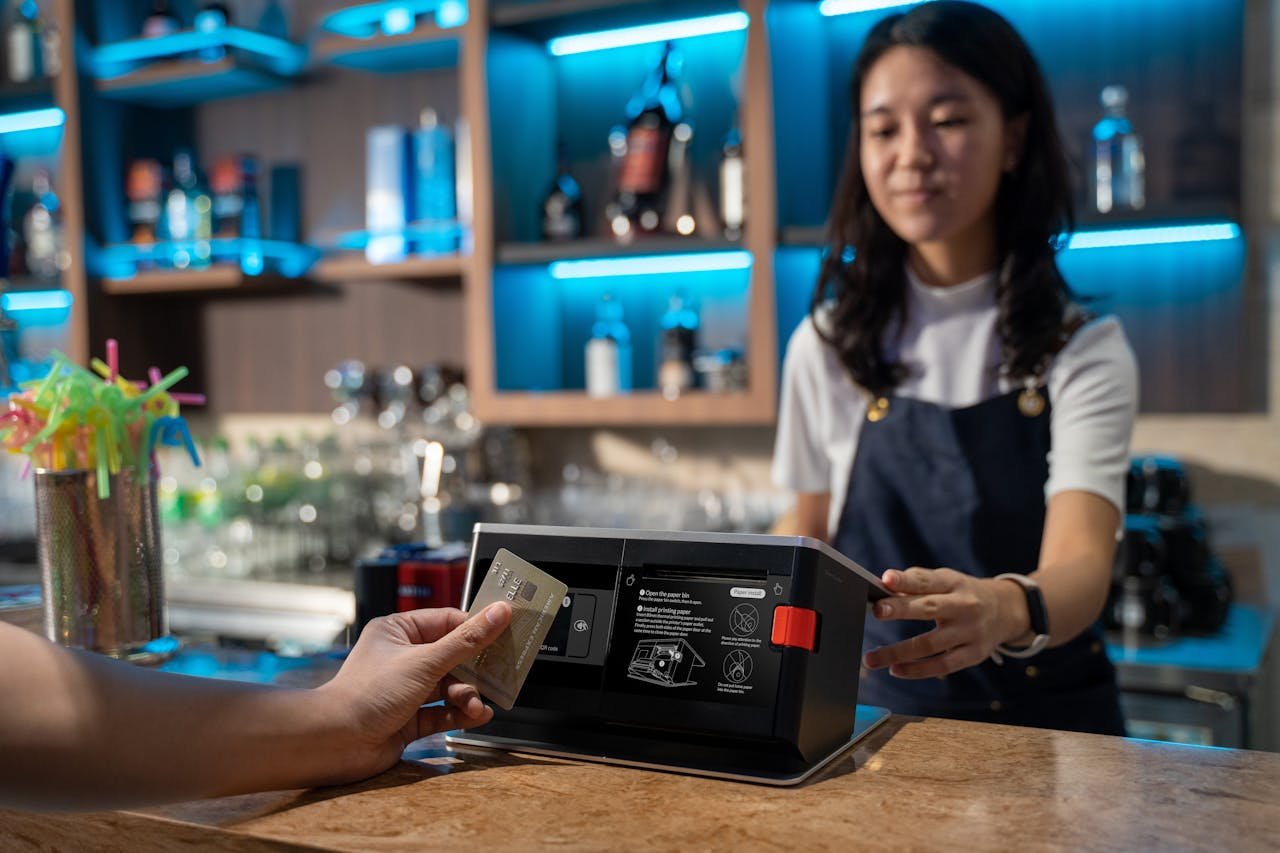
As anyone in the hospitality industry knows all too well, the secret to success depends on far more than just a great selection of food and drink and a welcoming atmosphere; it demands efficiency, speed, and precision behind the counter too. The heartbeat of this operation in your Seattle whiskey bar (and in any bar for that matter) is your Point of Sale (POS) system. At first glance, it might seem that a bar doesn’t need too much more than a standard retail environment. In fact, bars face unique challenges (such as high volume of customers, ample and rapid transactions, and a complex inventory) all of which require specialized software to track and record more precisely. When evaluating technology for your establishment, prioritizing the right features goes a long way to streamlining your workflow and protecting your bottom line.
Here are five indispensable features you can’t do without in your POS system.
1. Speed-Optimized Interface
Picture a crowded bar on a Friday night; every second counts during any rush hour, and the right tools are a must for streamlining that influx of orders. The ideal point of sale systems for small businesses are designed with a less is more philosophy regarding the interface. This kind of system minimizes the number of touches required to input an order, allowing your staff to handle a higher volume of orders. Customization is key here; your system should enable you to organize your screen layout so that high-volume items (like draught beer or house spirits) are front and centre for ease of access. In contrast, a cluttered screen slows down bartenders, so the ability to group items logically and colour-code items for visual cues is vital for maintaining a fast pace of service when it’s most needed.
2. Advanced Tab Management
Managing tabs is often the most chaotic part of a bartender’s shift. A reliable system must be able to handle the complexities of open tabs with ease. This requirement must also include the ability to swipe a credit card to open a tab (pre-authorization) and hand the card back to the customer immediately; this serves to reduce liability and clutter behind the bar. Furthermore, the system must allow staff to move tabs seamlessly. If a customer moves from the bar to a table or merges their bill with a friend’s, the system should have the ability to handle those tasks and keep up with changing situations. The ability to split bills by item or seat number quickly is also non-negotiable for modern service.
3. Precise Liquor Inventory Tracking
Liquor inventory is liquid capital; however, it is prone to shrinkage through certain occupational hazards like over-pouring or spillage. An effective bar POS system will offer granular inventory tracking that integrates directly with your sales data. It must be able to support metric measurements, which would allow you to track stock levels in millilitres and litres rather than just bottle counts. This precision in tracking inventory enables you to run variance reports that compare exactly how much alcohol was sold versus how much was actually poured, helping you identify discrepancies immediately.
4. Robust Employee Management and Security
Internal theft is an unfortunate reality in the hospitality industry. To mitigate this unfortunate and all too real threat, your POS needs comprehensive user permission settings. You should be able to restrict specific actions (e.g. voiding items, applying discounts, or opening the cash drawer) to managers only. Additionally, the system should track every action by employee login. This creates an audit trail that encourages accountability. “Blind closeouts” (where staff must count their cash drawer without knowing the expected total) are another critical security feature to look for.
5. Reliable Offline Mode
Internet outages can happen at any time, but your business cannot afford to stop. A robust offline mode is critical for bar operations. This feature ensures that your terminals can continue to process orders, print chits to the kitchen, and manage tabs even in the absence of your internet. Going further, the system should automatically sync all data to the cloud once connectivity is restored. This reliability ensures that a technical glitch does not result in lost revenue or a disrupted customer experience during peak hours.
Investing in the right POS system means more than an easier time managing orders during crunch time. It’s also an investment for your bar’s operations, both during rush hours and when handling inventory. By taking steps to ensure your chosen platform includes these critical features, you set your staff up for success and ensure your business runs smoothly, even during the busiest rushes.
