


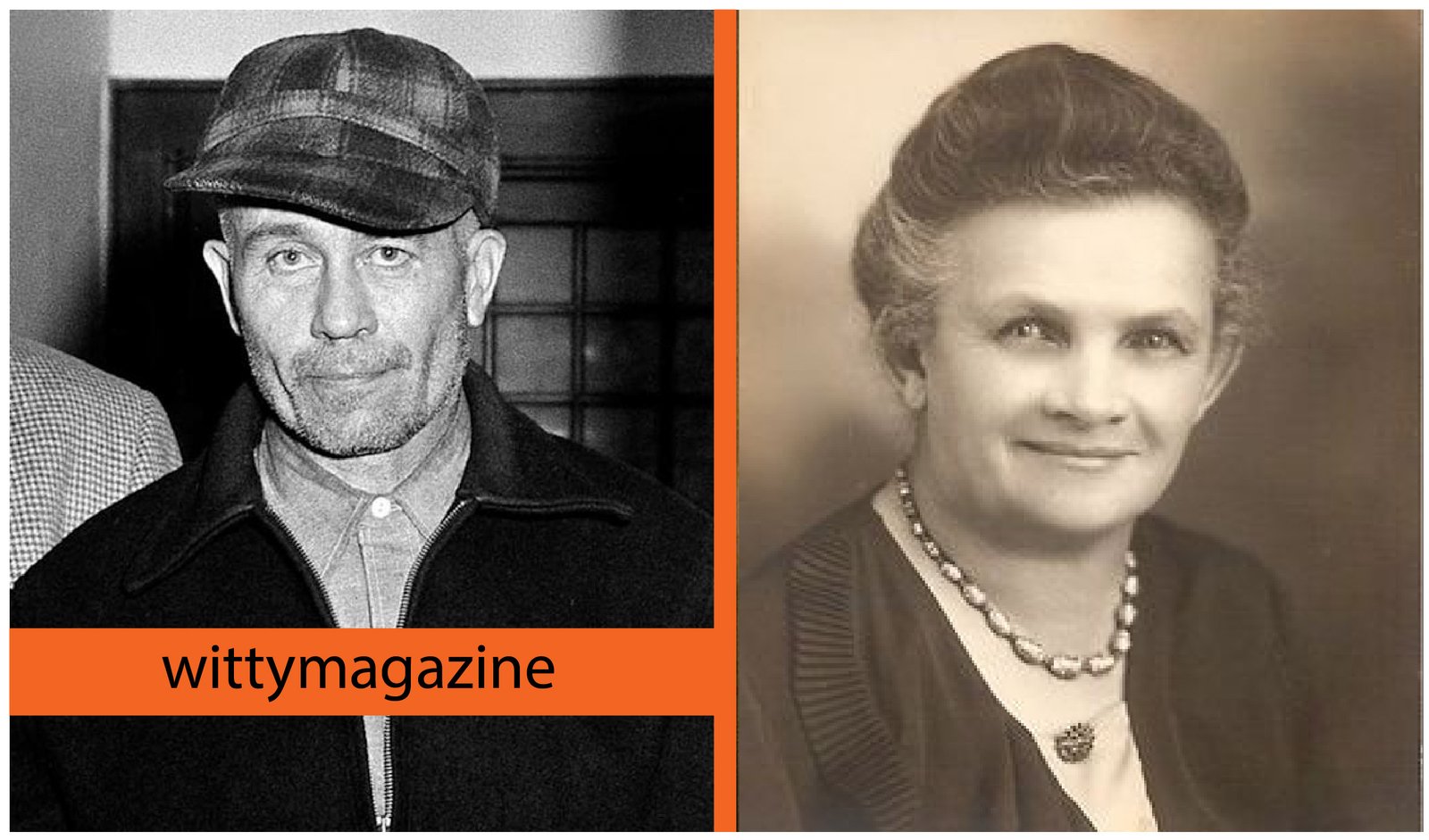
George Philip Gein was a quiet, working-class American man whose entire life unfolded in the rural landscapes of Wisconsin during the late 1800s and early 1900s. Born on August 4, 1873, and passing away on April 1, 1940, he spent his years working simple but essential jobs such as carpentry, tanning, running a small grocery business, and farming. Although he was not famous during his lifetime, people today study him mainly because he was the father of Edward “Ed” Gein, a criminal whose actions shocked the world in the 1950s. However, George’s own life had nothing to do with crime. He represents the experience of ordinary Midwestern men who worked hard, raised families, and lived within the limits of rural America. Understanding his life helps us understand the real environment and family structure of the Gein household based on verified historical records, not rumors or dramatized portrayals.
Details Summary: George Philip Gein
| Category | Details |
|---|---|
| Full Name | George Philip Gein |
| Date of Birth | August 4, 1873 |
| Place of Birth | Bergen, Vernon County, Wisconsin, USA |
| Parents | John Gee (father), Maria Catherina Dingeldein (mother) |
| Nationality | American |
| Ethnicity | German-American (family of German immigrant descent) |
| Marital Status | Married |
| Spouse | Augusta Wilhelmine Gein (née Lehrke) |
| Marriage Date & Place | December 11, 1900 — Hamburg, Vernon County, Wisconsin |
| Children | Henry George Gein (older son), Edward Theodore “Ed” Gein (younger son) |
| Occupations | Carpenter, Tanner, Small-Grocery Operator, Farmer |
| Primary Residence | Plainfield, Waushara County, Wisconsin (155-acre farm) |
| Known For | Working-class rural lifestyle; father of Ed Gein |
| Community Role | Local laborer; occasional small-business involvement |
| Health Issues (Verified) | Heart-related complications in later life |
| Date of Death | April 1, 1940 |
| Place of Death | Madison, Dane County, Wisconsin, USA |
| Burial Site | Plainfield Cemetery, Plainfield, Wisconsin |
| Legacy Context | Studied today for historical insight into the Gein family background |
Early Life and Family Origins
George was born in Vernon County, Wisconsin, to parents John Gee and Maria Catherina Dingeldein, both from German-American backgrounds. Life in the 1870s and 1880s in rural Wisconsin was simple but difficult. Families relied on farming, manual labor, and seasonal work to survive. Children were expected to help with chores from a young age, and education was limited. Although there are no detailed records describing George’s personal childhood, historians know that he grew up in a time when most families lived on small farms, traveled by horse, and worked long hours every day. Wisconsin’s rural communities were close-knit but often isolated, and many families passed down traditions and values from their European heritage. This environment shaped George’s character as a hardworking, practical, and quiet man—traits that were common and respected during that time.
Marriage to Augusta Wilhelmine Lehrke
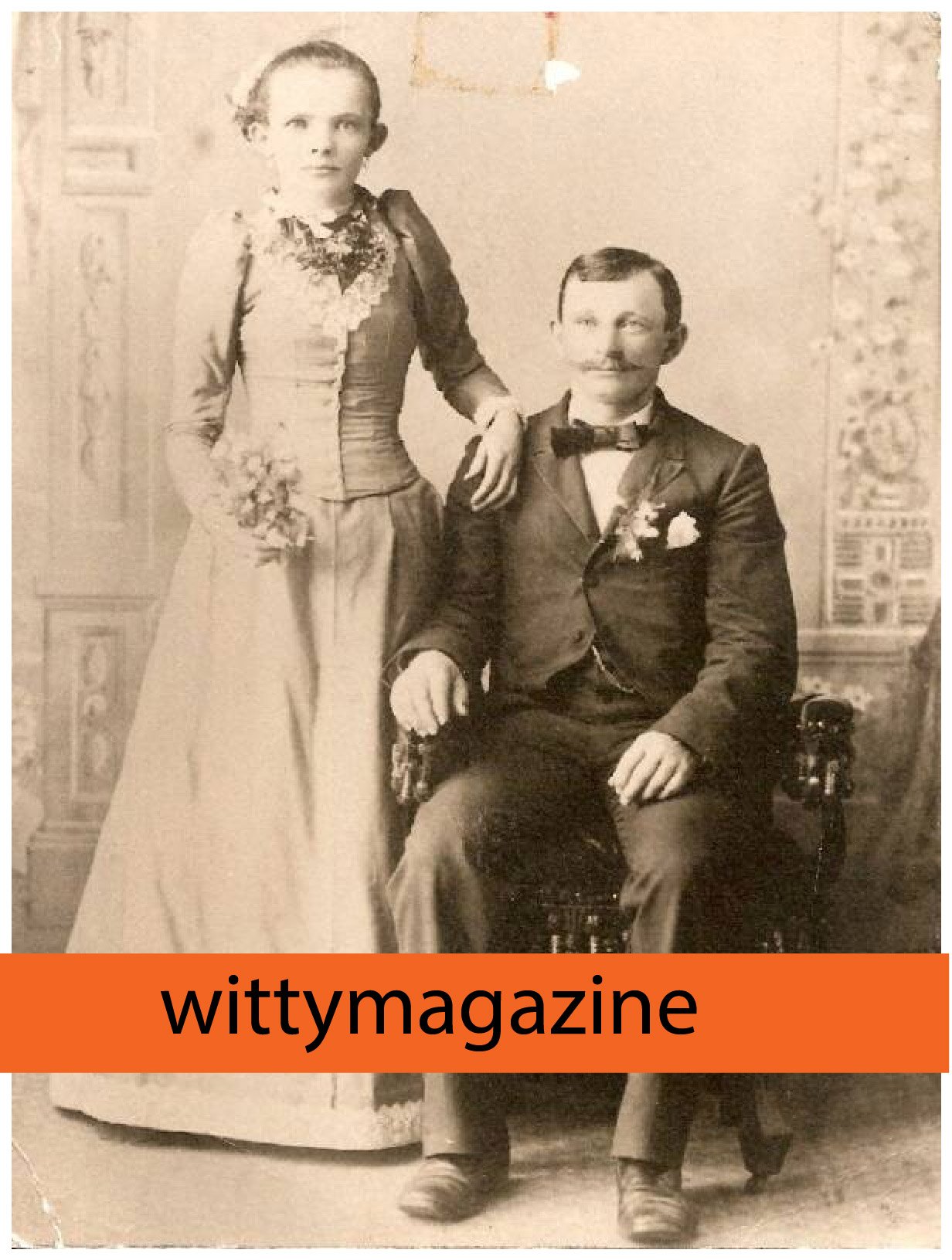
On December 11, 1900, George married Augusta Wilhelmine (Lehrke) in Hamburg, Wisconsin. Their marriage followed the traditional customs of the region, especially among German Lutheran families. Augusta was known for being extremely religious, disciplined, and strong-willed, qualities that later had a major influence on the household. George, on the other hand, was responsible for earning money through labor and supporting the family. During the early 1900s, marriages in rural communities were often built on duty, shared responsibility, and survival rather than romance. Most families depended on teamwork to run their farms and raise children, and the same was true for George and Augusta. Their partnership created the foundation of the Gein family, which would grow and experience many challenges in the years that followed.
Children and Family Structure
George and Augusta had two sons. Their first son, Henry, was born in the early 1900s, and their second son, Edward Theodore “Ed” Gein, was born on August 27, 1906, in La Crosse, Wisconsin. The family structure was typical for the time: the father worked outside the home, the mother handled household duties and religious guidance, and the children helped with chores as soon as they were old enough. Augusta had a dominant personality and enforced strict rules, while George tried to provide for the family financially. The boys grew up learning to work on the land, feed animals, chop wood, and maintain the farm. Families like the Geins lived simply, worked long hours, and rarely had social lives outside their local communities. Their family dynamic was shaped by hard work, religion, and the need to survive in a rural environment.
More From Info: Timothy Shalloway: The Powerful Biography You Need To Read
Move to Plainfield and Rural Living
Around the 1910s, the Gein family moved from La Crosse to an isolated farm near Plainfield, Wisconsin. The farm was about 155 acres, which was considered a medium-sized property at the time. Many families moved to rural areas because the land was cheaper, quieter, and offered more independence. However, life on such farms was extremely demanding. Days were filled with fieldwork, repairs, livestock care, and preparing for long winters. The Plainfield farm was far away from neighbors and shops, which created a lifestyle with very little social contact. Isolation was common for families living on large rural properties, and the Geins became even more separated from the outside world. This move shaped the family’s daily routine, responsibilities, and emotional environment, and it influenced how the children grew up. It was a life defined by work, survival, and distance from the modernizing world.
Occupations and Work Life
Throughout his life, George Philip Gein worked several jobs that were typical for rural Midwestern men in the early 20th century. Historical records confirm that he worked as a carpenter, a tanner, a small-grocery operator, and later as a full-time farmer on his Plainfield property. These were physically demanding occupations that required long days, strength, and practical skills. Carpentry involved building structures, repairing wooden equipment, and crafting everyday tools. Tanning was messy, difficult work that required handling animal hides and harsh chemicals. Running a small grocery meant managing supplies and customers, while farming demanded year-round labor to maintain crops and livestock. Nothing about George’s work made him unusual—he was simply a hardworking man trying to support his family in a time when survival depended on constant effort. These jobs show that George lived an honest, working-class life shaped by the economic realities of rural Wisconsin.
Life on the 155-Acre Plainfield Farm
When the Gein family moved to Plainfield, they settled on a large farm of about 155 acres—a size that required serious dedication to manage. Farms of this scale demanded daily labor, often from sunrise to sunset. The property likely included fields for crops, barns for animals, sheds for tools, and wooded areas for collecting firewood. Life on such a farm meant constant maintenance: repairing fences, feeding livestock, milking cows, harvesting vegetables, storing food for winter, and dealing with harsh weather. The work was physically exhausting but necessary for survival. There were no machines to make life easier in those early years; most tasks were done manually by George and his sons. This lifestyle shaped the family’s identity, routines, and relationships. The farm was not only where they lived—it was their workplace, their food source, and their daily challenge. It created a world of isolation that would define their lives for decades.
Household Dynamics and Challenges
The Gein household was known for having a difficult and often tense environment. Verified accounts show that financial stress was common, as income from small jobs and farming was unpredictable. George reportedly struggled with alcohol at times, which added strain to the family. Augusta, meanwhile, had a powerful and strict personality, and she enforced rigid rules based on her strong religious beliefs. This combination created a home where emotional pressure was present, and communication was often one-sided. George tried to fulfill his responsibilities as a provider, but the household was largely controlled by Augusta’s worldview. These dynamics shaped the behavior of their sons and influenced how the family interacted with the outside world. The challenges they faced were not unusual for poor rural families, but the strictness, isolation, and tension made the environment especially difficult. Everything we know about their home life comes from verified historical accounts—not rumors or dramatized portrayals.
Religious Influence in the Gein Home
Religion played a major role in shaping the daily life of the Gein family. Augusta was deeply religious, following a strict interpretation of Lutheran beliefs, and she brought these teachings into every part of the household. She often read the Bible aloud, warned the family about moral dangers, and emphasized the idea that the world was full of sin. The children were raised to fear wrongdoing, respect authority, and avoid social behaviors that she considered improper. George did not share the same level of religious intensity, but he lived under the structure that Augusta created. This religious environment shaped the emotional and psychological atmosphere of the home. It also influenced how the children saw themselves, the world, and the people around them. This section is important to understanding the historical reality of the Gein household—not as speculation, but as a documented part of their family history.
Relationship with Sons Henry and Ed
George’s relationship with his sons, Henry and Edward (Ed), has been described through public testimonies and historical accounts. As a father, he held traditional expectations: the boys were responsible for farm chores, helping with carpentry, collecting firewood, and maintaining household tasks. Discipline in rural homes during that time was often strict, and George followed those expectations. However, the household’s tension, Augusta’s dominance, and financial stress created a difficult environment. Verified accounts describe George as a stern man and, at times, someone who struggled with managing emotions. Despite this, the sons grew up under his guidance and learned practical skills from him. Their relationship was shaped by the hard realities of farm life, where work, obedience, and survival came before comfort or emotional expression. Understanding this relationship helps explain the family’s structure without relying on speculation or dramatized storytelling.
Community Reputation and Social Standing
Historical records suggest that the Gein family was viewed as quiet, private, and distant within the Plainfield community. George himself was seen as a hardworking tradesman—someone who provided basic services like carpentry or tanning when needed. Families in rural Wisconsin during this time often kept to themselves, especially those living far from town centers. Social life was limited, and many people focused more on daily survival than on forming friendships. The Gein farm’s location added to their isolation, making it harder for the family to participate in community events. George was not known for leadership roles or public involvement; he simply lived the kind of modest, working-class life common in the early 1900s. Most neighbors viewed the family as self-sufficient but unusual because of their extreme isolation and strong religious environment. Yet nothing in George’s reputation linked him to anything beyond the struggles of an ordinary rural man.
Declining Health and Final Years
In the final years of his life, George Philip Gein experienced health challenges that were common for men who spent decades doing physically demanding labor. Historical records indicate that he suffered from heart-related issues, which gradually affected his strength and ability to work long hours on the farm. The harsh Wisconsin winters, years of carpentry and farm work, and the stress of managing a household likely contributed to his declining condition. As George aged, his sons—Henry and Ed—took on more responsibilities, managing repairs, livestock, and fieldwork. The transition was not sudden; it was a slow shift as George struggled with fatigue and symptoms of heart failure. His health problems became more noticeable in the late 1930s, limiting his participation in chores he had carried out for decades. Despite these challenges, he remained a central figure in the household until his condition worsened. His final years reflect the quiet struggle of many working-class men of the era who carried physical burdens well into old age.
Death, Burial, and Immediate Aftermath
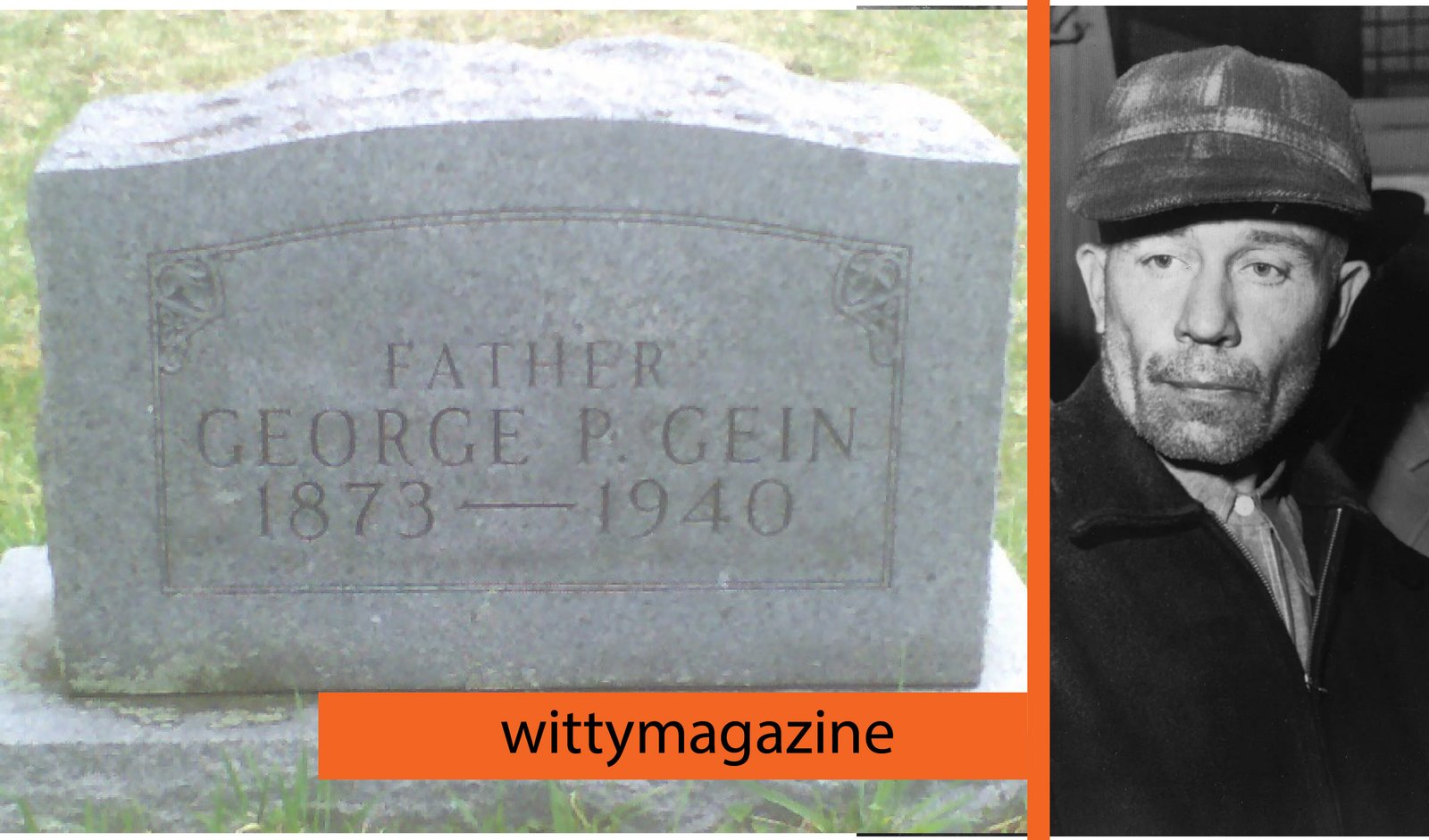
Verified records confirm that George Philip Gein died on April 1, 1940, in Madison, Wisconsin, due to complications from heart failure. His death marked a major shift in the Gein household, leaving Augusta and the two sons without their primary male provider. George was buried in the Plainfield Cemetery, the same burial ground where other family members would eventually rest. After his passing, Henry and Ed had to take on full responsibility for supporting the family. They worked various odd jobs in Plainfield while maintaining the farm. George’s death also intensified Augusta’s authority within the household, as she assumed total control of decisions, discipline, and daily routines. Without George’s presence, the family’s already limited social connections grew even weaker. His passing is remembered as a turning point that changed the family’s internal structure and forced the sons into roles they were not fully prepared for.
Historical Significance and Public Interest
The reason George Philip Gein remains a subject of public interest is largely because historians and researchers study the environment in which his son, Edward Theodore “Ed” Gein, was raised. George himself was not involved in criminal activities, nor was he known for anything beyond his daily labor as a tradesman and farmer. However, understanding George’s life provides essential context about the economic struggles, household challenges, and rural isolation that shaped the Gein family. Researchers examine his role to understand the cultural, emotional, and social landscape of early 20th-century Wisconsin. His life symbolizes the experiences of many working-class men whose stories were not recorded in detail. Today, his name appears in documentaries, books, and historical analyses not because of his actions, but because his family’s story later became a significant part of American true-crime history. Yet it remains important to view George separately from the sensationalism surrounding later events.
Media Portrayals vs. Verified Records
Modern media, including documentaries and dramatizations such as those on Netflix, often depict George Philip Gein using dramatic scenes that exaggerate or fictionalize events for entertainment. These portrayals sometimes show him as excessively violent, overly unstable, or dramatically abusive—details that are not consistently supported by verified historical records. In reality, what is documented is much simpler: George was a struggling working-class man, a father, and a laborer dealing with financial pressure, alcohol issues, and the demands of farm life. Media adaptations often prioritize storytelling rather than factual accuracy, resulting in characters that are more theatrical than historical. Comparing dramatized portrayals with genealogical and archival records reveals clear differences. It is essential to separate fact from fiction so readers can understand who George truly was, rather than accepting exaggerated versions of his personality or behaviors created solely for dramatic effect.
Common Misconceptions About George Gein
Several misconceptions about George Philip Gein have circulated due to sensationalized retellings of the Gein family history. One common false claim is that George played a major role in shaping Ed’s later crimes; there is no verified evidence supporting this. Another misconception is that he was violently abusive throughout his entire life, but historical accounts are mixed and often overstated in media portrayals. Many fictional stories also portray George as mentally unstable or dangerously unpredictable, yet records show he was primarily a laborer struggling under financial and personal pressure. People often assume the family’s later tragedy must have originated with George, but the verified documentation presents a far more ordinary and relatable figure—a man dealing with poverty, stress, and the challenges of rural survival. Correcting these misconceptions helps restore accuracy and respect to historical research.
Conclusion
George Philip Gein’s life tells the story of a hardworking man shaped by the difficult realities of early 20th-century rural America. Born into a modest Wisconsin family, he built a life through carpentry, tanning, small business work, and farming. His marriage to Augusta, the raising of his sons, and his years on the Plainfield farm reflect the experiences of thousands of working-class families who lived far from urban society. His struggles with health, finances, and household tension were human challenges, not unique or extraordinary. Today, George is often overshadowed by later events involving his son Ed, but it is important to view him as a separate historical figure whose life was defined by labor, routine, and survival—not by sensationalism. Understanding his legacy requires looking at verified facts, appreciating the context of his time, and acknowledging that his story is part of a much larger narrative about American rural life. His life remains a chapter of history worth knowing, not because of drama, but because it reflects the truth of many families who lived quietly in the background of American history.
FAQs About George Philip Gein
1. Who was George Philip Gein?
George Philip Gein was a Wisconsin-born farmer and tradesman, born on August 4, 1873. He worked as a carpenter, tanner, small shop operator, and later as a farmer on a 155-acre property near Plainfield. He is best known today as the father of Henry and Edward “Ed” Gein, though his own life was typical of rural working-class men of early 20th-century America.
2. What was George Philip Gein’s occupation?
Historical records show that George held several working-class jobs, including carpentry, tanning, operating a small grocery, and running a mid-sized farm in Plainfield, Wisconsin. These roles reflect the common economic realities of rural communities during his lifetime.
3. Who was George Philip Gein’s wife?
George married Augusta Wilhelmine Lehrke on December 11, 1900, in Hamburg, Wisconsin. Augusta was known for her strict religious beliefs and strong influence over the household, shaping the moral and social environment in which the family lived.
4. Did George Philip Gein have children?
Yes. George and Augusta had two sons: Henry George Gein, born in the early 1900s, and Edward Theodore “Ed” Gein, born on August 27, 1906. Both sons worked on the family farm, contributing to daily labor and household responsibilities.
5. How did George Philip Gein die?
George Philip Gein died on April 1, 1940, from heart failure in Madison, Wisconsin. He was 66 years old. His death marked a significant shift in the family structure, leading Henry and Ed to take on full responsibility for managing the farm and supporting their mother.
6. Why is George Philip Gein historically significant?
George is studied primarily for context within the Gein family history. He was not involved in crime, but understanding his life helps researchers examine the rural, economic, and household conditions that shaped the family environment. His significance today comes from documented historical interest, not sensational or speculative claims.
