


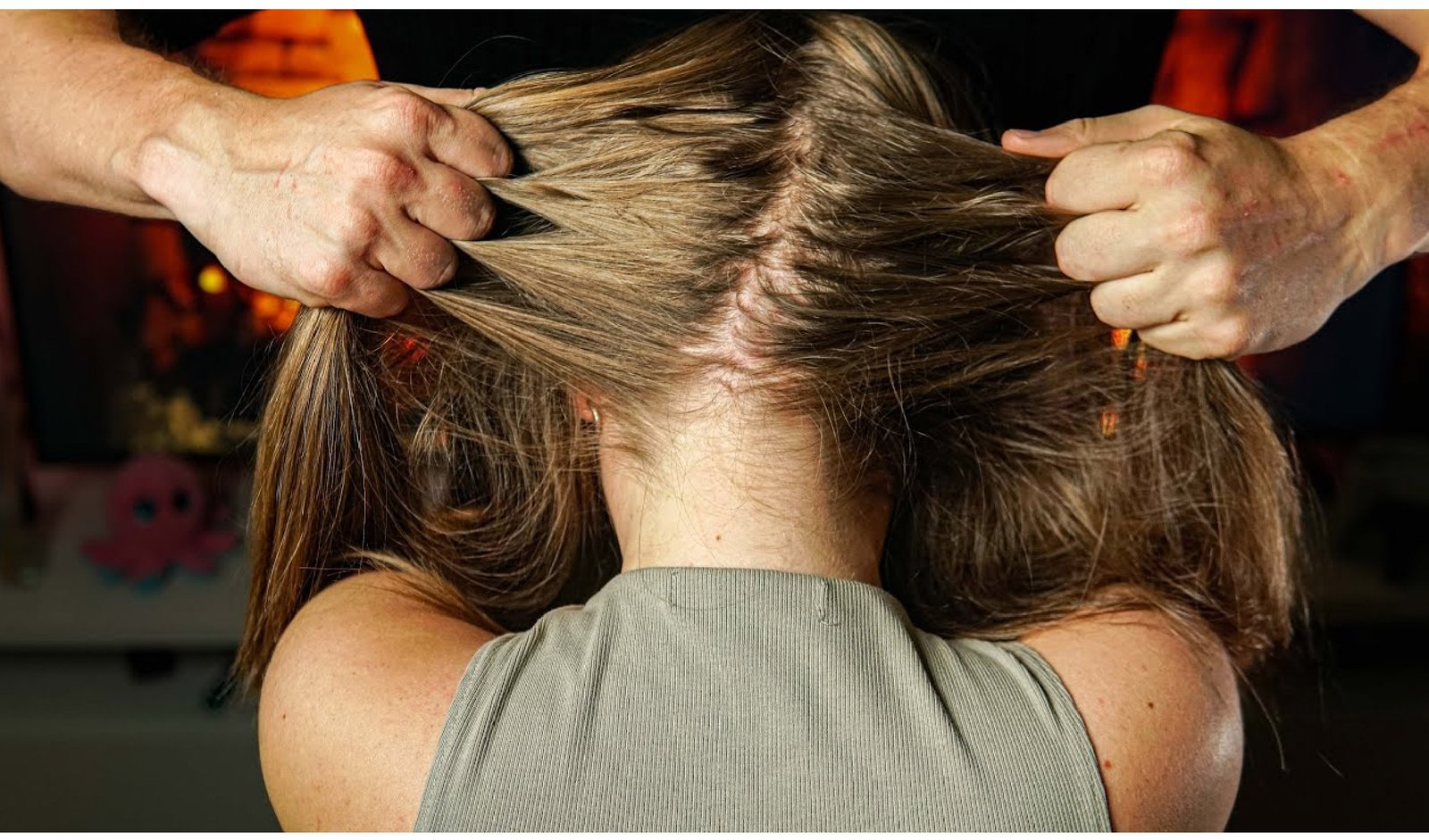
You can reduce or stop hair pulling through targeted treatments that combine behavior therapy, practical strategies, and sometimes medication. Habit reversal training and other behavioral therapies often produce the biggest, most consistent improvements, and medications or newer options like glutamate-targeting drugs may help some people when therapy alone isn’t enough.
This article focuses on treatment for hair pulling, walking you through evidence based treatments, everyday techniques to interrupt urges, and ways to build lasting support so you can manage hair pulling and protect your well being.
Effective Treatments for Hair Pulling
You can reduce hair pulling by learning specific skills, using targeted medications when appropriate, and practicing daily self-help habits that interrupt the urge and protect regrowth. Each approach addresses different parts of the problem: behavior patterns, brain chemistry, and daily triggers.
Behavioral Therapy Approaches
Habit Reversal Training (HRT) is the most evidence-based therapy for hair pulling. You learn to notice triggers and early urges, perform a competing response (a different, incompatible action), and build awareness through routine monitoring.
HRT often includes stimulus control: changing your environment to reduce easy access to hair (wearing gloves, keeping hair tied, or altering mirrors). These practical steps lower automatic pulling opportunities.
Acceptance and Commitment Therapy (ACT) and cognitive techniques help you change your relationship to urges. ACT teaches you to observe urges without acting on them and to commit to values-based actions instead.
Therapy is usually structured over weeks with homework exercises. For many people, combining HRT with ACT or habit-support skills improves long-term control.
Medication Options
No single medication cures hair pulling, but some drugs can reduce symptoms for certain people. Selective serotonin reuptake inhibitors (SSRIs) help when co-occurring anxiety or depression contributes to pulling.
N-acetylcysteine (NAC), an amino acid supplement, has shown benefit in some studies by modulating glutamate and reducing the drive to pick or pull.
Memantine, an NMDA receptor antagonist used in other conditions, has produced positive results in trials for hair-pulling and skin-picking disorders.
Medications can have side effects and variable effectiveness. You should discuss options with a clinician who can tailor treatment based on symptom severity, medical history, and response to prior interventions.
Self-Help Strategies
Use concrete, daily tactics to interrupt pulling: keep a log of urges, set short-term goals (hours or days without pulling), and replace pulling with a competing action like squeezing a stress ball.
Environmental changes matter: wear a hat or headscarf, change seating to reduce mirror time, and keep hair short or braided to make pulling harder.
Build supportive routines: scheduled grooming that focuses on gentle care, regular sleep and meals, and stress-reduction practices such as brief breathing exercises.
Peer support groups or online communities can provide accountability and practical tips, but verify any medical advice with a clinician.
Supporting Recovery and Long-Term Management
You will need practical supports, daily habits that reduce urges, and a plan to track progress and handle setbacks. These elements work together to sustain improvement and reduce the chance of relapse.
Professional Support Networks
Seek clinicians experienced with trichotillomania and body-focused repetitive behaviors (BFRBs). Prioritize therapists trained in Habit Reversal Training (HRT), Comprehensive Behavioral Intervention for Tics (CBIT), or cognitive-behavioral therapy (CBT) for trichotillomania. Ask about their experience, typical treatment length, and whether they use manualized protocols.
Consider a multidisciplinary team if you have co-occurring anxiety, depression, or trauma. That team might include a psychiatrist for medication management, a psychologist for CBT/HRT, and a trauma therapist if needed. Peer-led BFRB support groups and specialized online communities provide practical tips, accountability, and short-term crisis support. Verify group moderation and confidentiality before sharing personal details.
Lifestyle Modifications
Identify high-risk times and adjust daily routines to reduce triggers. Replace idle hands with low-effort alternatives—stress balls, fidget sleeves, or sensory fabrics—and keep them accessible in places where you usually pull. Change environmental cues: cover mirrors you check repeatedly, wear gloves or bandages during vulnerable hours, and alter seating or lighting where pulling often occurs.
Build stress-management practices into your day. Use brief, evidence-based techniques like paced breathing, 10-minute mindfulness sessions, or progressive muscle relaxation before known trigger periods. Prioritize sleep, regular exercise, and balanced meals; these stabilize mood and impulse control. Track what helps and refine your plan weekly.
Monitoring Progress and Relapse Prevention
Set measurable, time-bound goals: reduce pulling episodes by a specific percentage over four weeks or increase pull-free days per month. Use a simple daily log or an app to record episodes, triggers, intensity, and coping strategies used. Review data with your clinician every 2–4 weeks to adjust interventions.
Create a written relapse plan that lists early warning signs (e.g., increased stress, boredom, poor sleep), immediate coping steps, and emergency contacts. Include short, concrete actions: call a support person, switch to a sensory substitute, or leave the location. Reassess and update the plan after each setback so you learn what prevents full relapse.
