


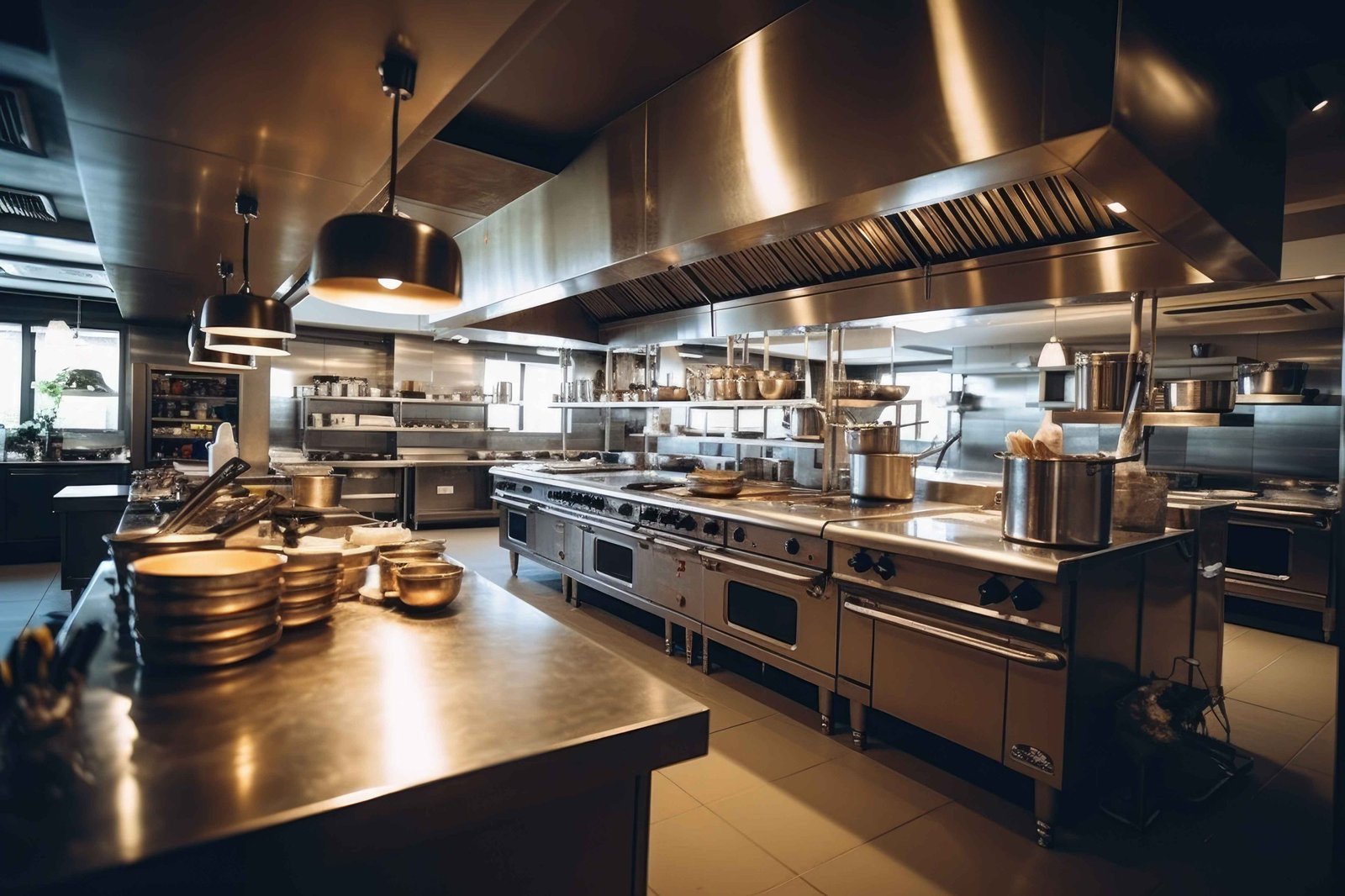
Memorable meals do not happen randomly these days. What happens behind the scenes shapes what guests feel at the table. Start with how things move, not how they look. Workflow comes before color schemes or logos every time. The real foundation? Tools that work without fuss. Equipment choices steer speed, quality, same-ness across visits. Supplies matter more than most think – when chosen well, everything runs quieter. A steady source keeps kitchens turning, even on hard days. Function leads. Style follows. Always has. Good service grows from solid gears beneath the surface. Standard Restaurant Supply fits into that machine like a quiet engine. No flash. Just results.
Backward planning doesn’t shrink creative space. Instead, it hooks imagination to real-world function – each decision lifting service standards, team output, even future margins.
What Does “Designed Backwards” Mean in Restaurant Planning?
Backward design begins at the finish line instead of the front door. Instead, picture where pots land on stoves, who grabs what when tickets pile up, which tools get used most between noon and eight. Think about motion before aesthetics – how bodies flow through tight lanes when orders stack fast.
Start with how things work, then think about how they look. Because kitchens need gear first, layout follows function – cooks move faster, staff serve smoother. When the setup matches the menu and crowd size, everything flows without hiccups. A reliable supplier steps in early, guiding choices so tools match actual needs, not just plans on paper. Design shaped by daily use sticks better than ideas built in isolation.
The Role of Restaurant Equipment in Backward Design
Running a kitchen means having the right gear. When planning backwards, picking equipment comes early in the process instead of later. What cooks do matters less if the gear slows them down. Machines that match the menu shape how fast plates leave the pass. At a real supply company, someone has seen every setup, knows where gas gets wasted, where machines fail quietly before chaos hits. Buying too much ties up cash; buying too little breaks rhythm at peak hour. Experience means spotting those traps ahead of time. Wrong choices ripple into service gaps guests notice.
How Workflow Shapes the Guest Experience
Most people do not consider how a kitchen moves, yet it shapes everything they feel while dining. When tasks flow well, meals arrive quickly, stay warm, and happen without stress. Starting from delivery through cooking to serving, planning backward makes every motion fit naturally into place.
Starting with a clear plan means tools and gear in restaurants go where they’re needed most. Close to cold storage, you will find food prep zones. Cooking units line up directly before serving counters. Keeping wash sinks apart stops mess from spreading. With advice from Standard Restaurant Supply, smart layouts take shape – turning daily routines into smooth moves across the floor.
Designing the Menu Before Designing the Space
A kitchen’s layout often tells the story of its dishes before any cooking begins. When grilling takes center stage, the tools needed shift dramatically compared to ovens dominating the scene or stations prepping chilled plates. Picture the workflow first – what comes off the line each night – then shape walls and counters around those moves. Lock in the food idea up front; everything else follows in step.
Starting with the menu helps pick tools that won’t need replacing down the line. Instead of guessing, get gear tied to what you serve now – but ready to shift when plans change. That way, the kitchen stays open to new ideas without tearing walls apart.
Staff Efficiency and Morale as Design Outcomes
Spaces built with care go beyond guest comfort – they help workers thrive. Starting from daily routines, planners watch how team members use gear and move between tasks. When paths through the kitchen make sense, people tire less, hesitate less, stay sharper. Mistakes fade. People stick around.
Start with gear that fits the hands using it – Standard Restaurant Supply builds things workers actually want to touch each day. Stuff works right means fewer headaches, quicker moves behind the counter instead of fixing what broke. Folks notice when orders fly out without hiccups, even if they do not know why. The name sticks around because people remember smooth nights.
Cost Control Through Smarter Equipment Choices
Starting with the end in mind can trim costs more than expected. When restaurants pin down what they actually need to run, extra gear and materials often stay off the list. Because of this clarity, each dollar spent links directly to making things faster or earning more.
A well-informed choice from Standard Restaurant Supply lets eateries weigh lasting expenses like power use, upkeep, repairs, and how often gear must be swapped out. Tougher tools and materials might cost more at first; still, they tend to lower daily spending while cutting interruptions down the road – keeping profits steady and diners happy. Though prices rise early on, fewer breakdowns mean smoother service months later.
Flexibility and Scalability Built Into the Design
Most lasting eateries stay ready to shift. Because they plan ahead, their designs bend instead of break. Thinking about what comes later shapes how spaces take form. Gear gets picked not just for now but for what might grow. Room setups leave space for more people or different food ideas. Changes happen smoothly when the base was built to stretch. Fewer rebuilds mean less disruption down the line.
One way kitchens stay ready? They pick flexible gear from Standard Restaurant Supply. When setups shift, modular units handle change – smoothly. Storage fits tight spaces yet grows as needed. Tools do more than one job because doing less never helps anyone. The meal stays good even when everything else changes.
Why Guests Notice the Results, Not the Process
It hits you before you realize why – the way things just work inside certain restaurants. A smooth order here, a quick refill there, people moving like they know exactly what comes next. None of it happens by chance. Someone mapped every step long before the doors opened. The kitchen flow shapes how meals taste. Staff act calm because the system supports them. What feels natural is actually built, piece by piece, around how work really gets done.
When kitchen tools get proper attention, alongside solid support from Standard Restaurant Equipment and Supplies, things just click without calling notice. Smooth operations take over, so meals become the main event instead of machinery. What matters shows up naturally – no effort needed.
Conclusion
Great meals do not begin where customers sit. Instead they start behind the scenes – with how things move, function, flow. Equipment shapes these moments, along with what is stocked each day. A reliable source like Standard Restaurant Supply helps teams choose gear that fits real work rhythms.
When setups follow logic before looks, service runs smoother, spending stays tighter, people feel supported. Design then becomes less about appearance, more about purpose. Each piece has a reason, timing, place. Results show up not in photos but in steady nights, fewer hiccups and smiles that last.
