


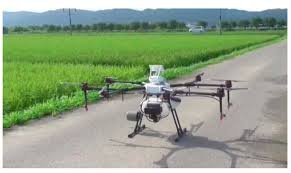
In today’s smart farming era, drones are changing the way farmers manage crops, from spraying fertilizers and pesticides to surveying crop health and collecting precision data.
But when you’re budgeting for Agriculture Drone Price, the sticker price is just the beginning. To make a smart investment that truly pays off, you need to understand the full spectrum of costs and returns.
In this blog, we’ll break those costs down clearly, give you real farm economics and credible stats, and show how to calculate true cost per acre so your decision is informed and profitable.
Why Calculating The True Cost Matters
When considering the purchase of an agriculture drone, farmers often see the headline Agriculture Drone Price and assume that’s their total investment.
In reality, this is only the hardware cost. The true cost of ownership includes maintenance, training, compliance with regulations, software, and how quickly the investment pays back in reduced inputs or increased yield.
Understanding the complete cost helps you compare ownership versus rental, calculate realistic return on investment (ROI), and avoid unexpected expenses that erode profitability.
Before we dive deeper into long-term costs and ROI, let’s first look at what goes into that upfront Agriculture Drone Price you see advertised.
Upfront Purchase Cost: What You’re Really Paying For
The headline Agriculture Drone Price often includes only the physical drone but that’s just the start.
You need to factor in accessories, advanced sensors, service plans, and installation costs to understand your real initial investment.
Here are typical line items that affect the total purchase cost:
Drone Hardware And Accessories
- Airframe and flight controller
- Sprayer or seeder payload systems
- Cameras and sensors (multispectral, thermal)
- Batteries, chargers, and spare parts
- Warranty or extended service plans
Today’s agricultural drones are available over a wide price range.
Entry-level models capable of basic scouting or imaging can be as low as a few thousand dollars, while advanced spray systems and high-precision platforms can exceed $30,000–$50,000 for professional setups.
Although you can see these costs upfront, the real money is spent over time through operating, maintaining, and training.
Operating And Maintenance Costs
Once you’ve bought the drone, it starts costing you on a recurring basis.
These ongoing costs can significantly affect the true cost per acre for drone use.
Routine Costs Farmers Must Budget For
- Battery replacements: Drone batteries degrade with cycles, frequent field use can shorten lifespan.
- Software subscriptions: Many advanced drones require annual software licensing for analytics, mapping or automated flight plans.
- Repairs and spare parts: Propellers, sensors and structural components wear out, especially in rugged field conditions.
- Data processing and storage: For analytics and long-term field records.
Maintenance and operations can add thousands of dollars annually, especially if your drone is essential to regular crop management making it a core part of farm equipment budgeting rather than a one-time buy.
Operating a drone also means you need trained operators and compliance with aviation rules, which adds another layer of cost.
Regulatory, Training And Compliance Expenses
In many countries, commercial drone operation requires specific licensing or regulatory compliance.
These aren’t optional add-ons, they are often mandatory, especially when drones are used for spraying chemicals.
Key Compliance Costs Include:
- Certification or pilot licensing: Training courses and exams.
- Safety and regulatory compliance fees: Many governments require registration and adherence to flight rules.
- Insurance: Protects against accidents, crop damage or liability and can be mandatory for commercial use.
The Federal Aviation Administration (FAA) in the U.S., for example, requires Part 107 certification for commercial pilots, which involves a training program and test. Costs for such programs can run into thousands of dollars per operator.
So far, we’ve covered what you pay directly. Now let’s see how these investments translate into profit or cost over time.
Financing, Subsidies And Return On Investment (ROI)
Financing options and subsidies can dramatically change the Agriculture Drone Price you actually shoulder.
Strategic use of loans, subsidies, or service providers can make drones economical even for smaller farms.
Ways Financing Influences Cost
- Loan payments versus lump-sum expense
- Government or agency subsidies that cover a portion of drone costs
- Leasing or “Drone-as-a-Service” alternatives
In some regions, central and state governments provide subsidies that cover a significant portion of drone cost, sometimes 40-60%.
When subsidies are applied, the net price you pay drops substantially and shortens the ROI period.
To make these numbers concrete, let’s walk through a simplified example of how to calculate your cost per acre.
Case Study: Per-Acre Cost Example (Step By Step)
Understanding theoretical costs is useful but farmers need actionable metrics like cost per acre. Let’s examine an example calculation.
Inputs For Calculation
- Net equipment cost: $15,000 after subsidies
- Useful life: 5 years
- Annual operating days: 50
- Average area covered per day: 20 acres
- Annual maintenance: $2,000
Steps:
- Annual depreciation: $15,000 / 5 = $3,000
- Annual operating cost: $2,000
- Total annual cost: $5,000
- Total annual acres sprayed: 50 days × 20 acres = 1,000 acres
- Cost per acre: $5,000 / 1,000 = $5/acre
In this example, owning a drone reduces your input cost compared to manual spraying, which often costs significantly more in labor and chemical waste. This per-acre figure is a better measure of affordability and ROI than just the upfront Agriculture Drone Price.
Before signing on the dotted line, you should compare models in a structured way.
How To Compare Models And Evaluate Agriculture Drone Price Yourself
Choosing the right drone isn’t just about price, it’s about price versus capability.
Create a simple comparison framework that accounts for total cost, performance, and support.
Checklist For Comparison
- Net Purchase Price (including tax & subsidies)
- Payload capacity and spray efficiency
- Battery life and coverage rate
- Software/analytics capabilities
- Warranty and service support
- Ease of training and availability of operators
Use this checklist to weigh how much value you get for each dollar of Agriculture Drone Price, especially if your farm’s terrain or crop type demands specific capabilities.
Finally, let’s bring it all together with practical decision guidance.
Final Checklist And Decision Framework
Here’s a simple decision flow you can follow before buying:
Quick Rules For Farmers
- Farms under 20 acres: Renting or service providers often offer better economics than ownership.
- Mid-sized farms (20–100 acres): Shared ownership or cooperative models can reduce per-farm cost.
- Large farms (100+ acres): Direct ownership often pays off, especially with advanced mapping and spraying.
Remember, proper cost analysis must weigh not just the Agriculture Drone Price, but maintenance, compliance, training and actual usage patterns.
Conclusion
Calculating the true cost of an agriculture drone goes beyond sticker price.
The headline Agriculture Drone Price is only the first piece of a larger profitability puzzle that includes ongoing operations, compliance, training, financing, and real per-acre costs.
By examining each of these components and using solid metrics and statistics, you’ll be better positioned to invest wisely, improve efficiency, and enhance yields.
