


These cyber threats have never been more sophisticated nor widespread. They may be hidden in malware, infected email attachments, or even within seemingly innocuous web links. All one needs to do is make one incorrect click, and your company network is vulnerable. The larger issue many business owners and IT directors ask: How can businesses protect themselves from viruses before they happen? Cyber attacks remain a threat of significant worry for all businesses. Anti-malware software is used to protect your company from these cyber attacks.
The various types of malware that exist pose threats to computers and other devices that can be connected to the internet. Viruses, trojans, worms, and ransomware are some types of attacks that cybercriminals employ on their victims. These attacks result in considerable harm to business processes, right from data loss to loss of finances. Anti-malware software is designed to eradicate these threats before harm is caused.
How Can You Prevent Viruses and Malicious Code?
To prevent malware-infected systems within the organization, it is essential to adopt a proactive approach. Such measures and techniques for prevention, mitigation, and creating awareness.
- 1. Implementation of ISMS Software- An Information Security Management System (ISMS) provides a methodical way of managing and securing valuable information. By adopting an ISMS, an organization can methodically address the risk of security, thereby ensuring the confidentiality, integrity, and availability of information.
- Steer clear of Malware- Most malware is not that difficult to recognize if you can identify the indicators. There are sources which you can use to prevent viruses and malicious code. The most likely sources of malware are spam messages, malicious websites, and pop-ups that may show up on your computer when you are using the internet or just when the computer is running. Phishing scams, where users are tricked into revealing personal data, may also use malware, in which case you may end up clicking something if you are unable to provide the required data for the phisher, but still access their system instead. So, it is always advisable that if something pops up on your screen, you should never click it or open anything that looks fishy in an email, attachment or otherwise.
- Backing up data- Backups for data are a type of proactive protective measure that may prove indispensable during a successful malware attack. Every computer or server connected to your network needs backups that are malware-proof. When a malware attack is successful, you can use a backup installation to wipe your infected machine and then install it again.
- Educated Employees- All employees must be aware of what malware is, how it infects the system, the dangers associated with it, and some guidance on how to effectively prevent it. This can involve ensuring they are equipped with knowledge on how to prevent it, like the importance of multi-factor authentication and how to create robust passwords. All staff must also understand how to identify suspicious activity in an email or pop-up message, as well as who they can inform and how they must not react if their endpoint has been compromised.
- Vulnerabilities- Vulnerabilities within a network often arise from weak monitoring and poor configuration practices, including the presence of invalid IP addresses, which can break standard networking rules and increase the risk of system exploitation.
For organizations with unique infrastructure or specific compliance requirements, partnering with experts in custom software development can help create tailored security monitoring solutions that integrate seamlessly with your existing systems and address your specific vulnerability points. This customized approach ensures that your security measures are aligned with your business needs while maintaining robust protection against evolving threats.
- Make use of Firewall Protection- A firewall protects your system from the delivery of malware by scanning network traffic. This includes outgoing as well as incoming network traffic. Having two-way malware protection is quite vital since malicious programs within your system can be exploited to affect users, devices, and networks that connect with yours.
- 7. Malware removal- The most effective method of malware removal from a malware-infected computer or device is by using antivirus security software. Based on information about various types of threats, antivirus software can remove, identify, and quarantine malware on all your devices, such as a computer, laptop, smartphone, or tablet. Malware removal by antivirus software relies on information from its latest update, so your antivirus software should be updated constantly.
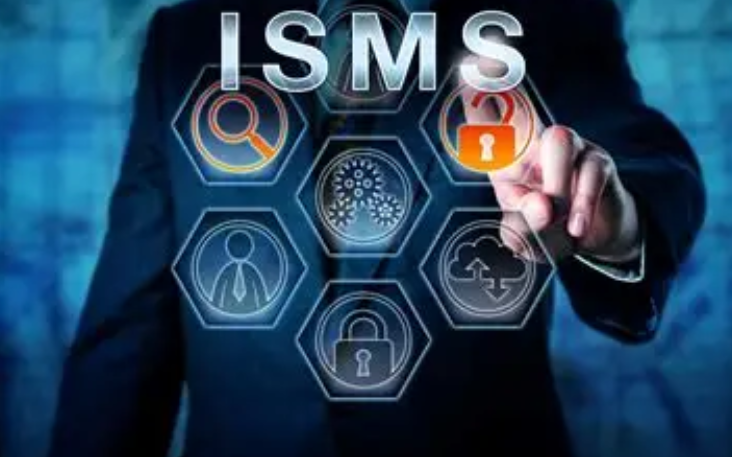
Why Do You Need an ISMS?
Sensitive information security has never been more important in the current digital age. This is because an ISMS can offer the required structure for meeting all the above challenges for the successful security of sensitive information. Now, let’s see why an ISMS is so important for your organization-
- Securing Sensitive Information- An Information Security Software helps ensure the confidentiality of the customer data, financial information, or intellectual property of the company in question against unauthorized parties.
- Assure Compliance- As data protection laws undergo changes every now and then, such as GDPR, HIPAA, and ISO 27001, an ISMS ensures that an organization is compliant with all such laws.
- Active Risk Control- ISMS ensures that risks to information security are identified and minimized. This allows organizations to get ahead of risks related to cyber attacks and cyber crimes.
- Establish Trust and Credibility- An effective implementation of an ISMS can provide evidence of your organization’s focus on information security, which could potentially improve your credibility with customers and business associates.
- Enhance Operational Efficiency- An ISMS ensures that data protection activities are carried out in a smooth manner by automating all processes related to security, thereby improving the efficiency of operations.
- Business Continuity Support- A structure of ISMS has been developed that ensures the organization can function in the event of a breach of security or a disaster. ISMS ensures that the organization is able to function with the least disruption during incidents.
Best Practices for Using Anti-Malware Software
To fully maximize software protection from anti-malware components, best practices should be followed to prevent any malware from entering the system. It is imperative for real-time scanning to always be enabled in order to ensure any malicious actions are instantly recognized and halted. Updates are also important as they enable new threats to be detected and tackled. Employee training should not be neglected, as human error is still a major contributor to breaches of security. Employee education about how to spot possible threats like phishing attempts or suspicious downloads can go a long way in preventing malware infections.
Information security management software also offers another layer of protection for the system by analysing all incoming and outgoing network traffic for any malicious components. Finally, mobile device protection is also relevant because these devices have become very popular targets for cybercriminals, as they can be easily exploited, and they contain very sensitive information that is stored in them. Through the use of such best practices, organizations can protect themselves more effectively from the continuously varying threat landscape of malware attacks.
Conclusion
The secret to preventing businesses from viruses is the integration of technology and best practices. Use multiple levels of protection, which include antivirus software, patches, education, and effective policies. Each level makes it progressively more difficult for malware to be successful. Anti-malware software is critical to protecting your business from the dangers of malware, with the ability to detect, neutralize, and remove malware. Choosing the right anti-malware software for your business requires consideration of various attributes.
