


Ask ten Indians about the best time to travel in India, and you will hear ten different answers. That is because India does not follow one calendar. Seasons change by altitude, coastline, wind, and even belief. A good trip here is not about distance. It is about timing. One wrong month, and a beautiful place feels tiring. One right month, and the same place feels effortless. This guide is not built like a brochure. It is built like advice shared over tea, honest, practical, and shaped by how Indians actually travel.
North India: When Do The Mountains Truly Open Up?
The Himalayas work on their own clock.
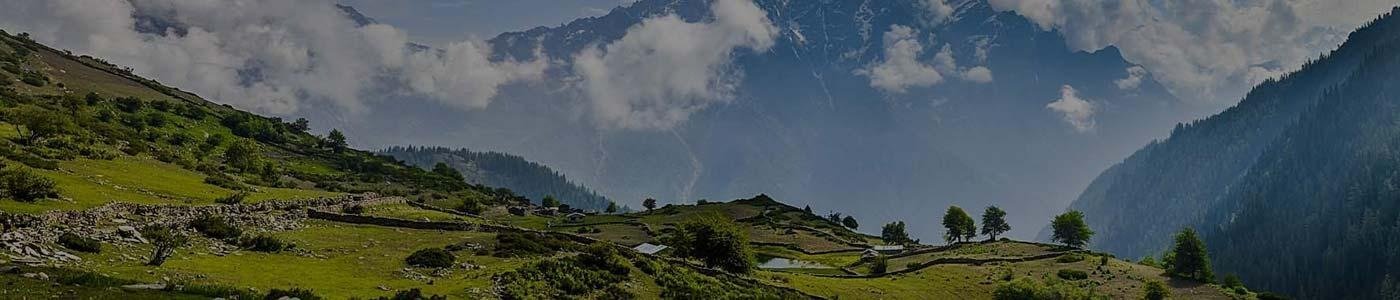
March to June is ideal for most hill towns like Shimla, Manali, and Mussoorie. The air stays cool, roads remain open, and walks feel pleasant.
For higher regions like Ladakh and Spiti, June to September works best. Snow clears, passes open, and travel becomes predictable.
Winter from December to February suits snow lovers but only with preparation. Roads close often, and cold becomes serious business.
Travellers often book an India tour package without checking altitude timing. That mistake turns excitement into exhaustion.
Rajasthan And The Heartland: Why Winter Wins Here
Rajasthan shines from October to March. Days stay sunny. Nights cool down gently. Fort walks feel comfortable.
Summer heat from April to June drains energy quickly. Locals manage, travellers struggle.
Central India follows a similar pattern. Places like Madhya Pradesh and parts of Uttar Pradesh feel welcoming in winter.
This is the season when heritage travel feels relaxed. It also explains why many luxury India tours focus on winter circuits here.
Western India: How Gujarat And Maharashtra Change With Seasons
Gujarat feels best between November and February. The Rann of Kutch festival happens in peak comfort weather.
Maharashtra offers variety.
Mumbai works from November to February when humidity drops. Hill stations like Mahabaleshwar suit summer months from March to May.
Monsoon travel here is beautiful but slow. Green views come with delays.
Indian travellers often enjoy these trips because distances stay manageable and food comfort remains familiar.
South India: Is There Ever A Wrong Time?
South India stays kinder year-round.
October to March suits Kerala, Tamil Nadu, and Karnataka. Heat stays mild, and festivals add colour.
Hill stations like Ooty and Coorg shine from April to June. They offer relief when northern plains heat up.
Monsoon from June to September suits Ayurveda retreats and slow travel. Rain shapes daily rhythm rather than stopping movement.
Many travel agents in India suggest southern routes for first-time domestic travellers due to steady weather and easy logistics.
Eastern India: When Culture And Climate Align
October to March works best for West Bengal, Odisha, and Assam. Durga Puja, temple festivals, and river journeys all fall in this window.
Summers feel heavy. Monsoons flood some areas.
The Northeast opens fully between October and April. Hills stay green, roads clear, and local festivals flourish.
This region rewards patience and planning. It suits travellers who enjoy culture over speed.
The Beaches: Sun, Sand, And Timing Matters
Goa and Kerala beaches work best from November to March. Sea stays calm. Evenings stay pleasant.
April and May bring heat. June to September brings strong waves and rain.
Island destinations like Andaman suit October to April.
A beach holiday feels effortless only when timing matches mood. This is why many luxury India tours avoid peak heat months.
Why Timing Matters More Than Budget, When Travelling?
Many Indians plan trips around holidays alone. Weather often gets ignored. Good timing saves energy, health, and money. Bad timing creates tired photos and rushed plans.
An India tour package planned with season sense feels smoother even without luxury. This is where experienced travel agents in India like Swan Tours add value. Not by selling but by advising.
Final Thought: Travel India Like A Local Thinks
India rewards those who listen to seasons. The country never closes. It only changes mood.
A mountain in June feels generous. The same mountain in January demands respect. When travel follows climate, journeys feel lighter and memories stay longer. That is how Indians travel when advice comes from experience, not advertisements.
