


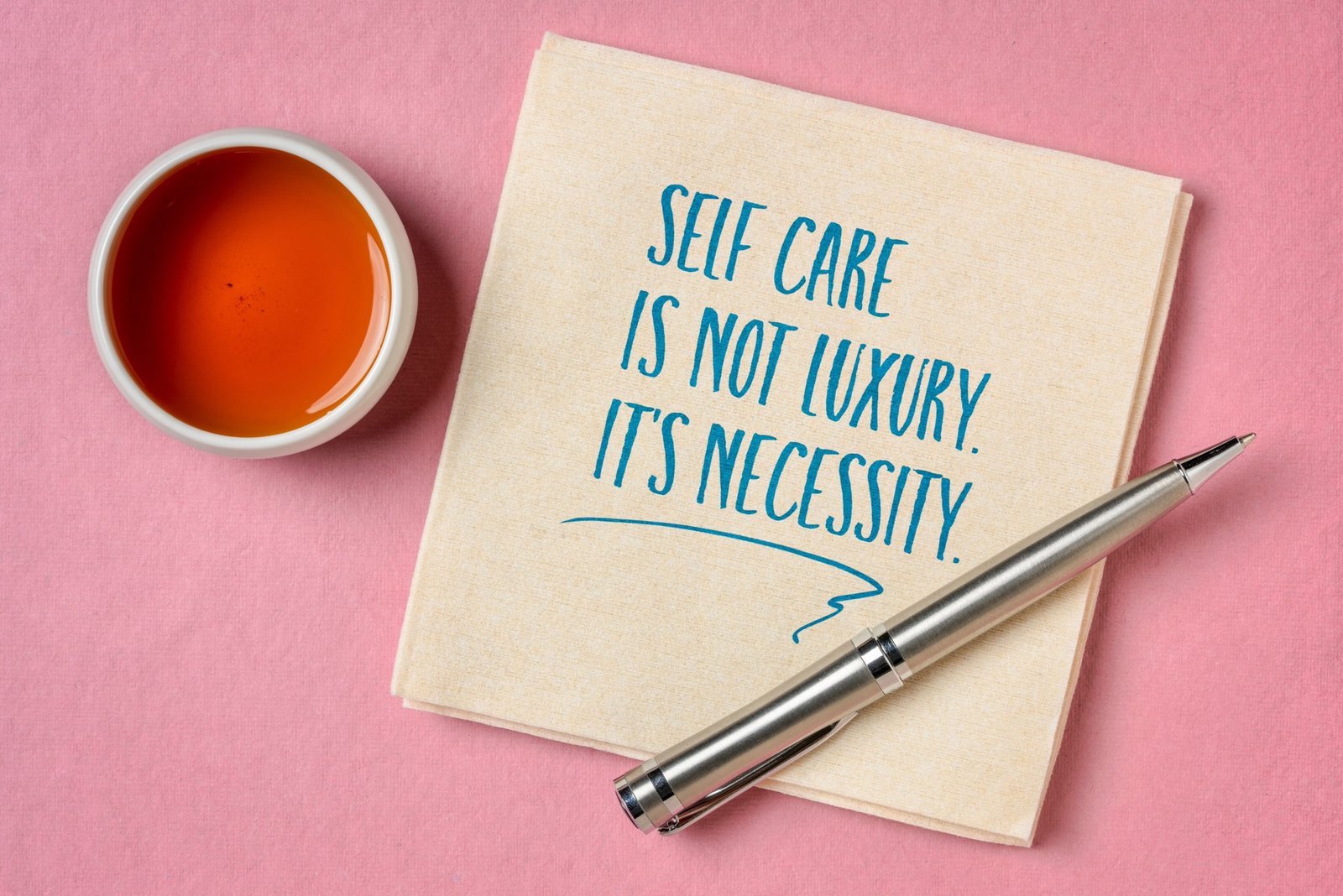
For years, self-care has been framed as an indulgence — something you earn after burnout, stress, or exhaustion sets in. It’s often associated with luxury, time off, or expensive experiences reserved for rare occasions. But this way of thinking misses a critical truth: self-care isn’t a reward. It’s a requirement.
In today’s fast-paced, always-on world, treating self-care as optional can quietly erode physical health, mental clarity, and emotional resilience. Reframing self-care as a necessity — just like sleep, nutrition, and movement — is essential for sustainable well-being.
Why the “Self-Care as a Treat” Mindset Is Harmful
When self-care is viewed as a luxury, it often gets postponed indefinitely. People wait until they’re overwhelmed, depleted, or unwell before taking action. By that point, recovery takes longer and feels harder.
This mindset creates patterns like:
-
Ignoring stress until it becomes burnout
-
Powering through fatigue instead of addressing it
-
Feeling guilty for resting or slowing down
Over time, neglecting self-care doesn’t make you more productive — it makes you less effective and more vulnerable to physical and emotional strain.
Self-Care Is Preventive, Not Reactive
True self-care works best when practiced consistently, not only in crisis. Preventive self-care supports the body and mind before stress becomes overwhelming.
Preventive self-care helps:
-
Regulate the nervous system
-
Improve emotional resilience
-
Maintain energy levels
-
Support immune function
Just as brushing your teeth prevents dental problems, regular self-care prevents deeper health issues from taking root.
Burnout Isn’t a Badge of Honor
Many people wear busyness as a sign of dedication or success. Constant exhaustion is often normalized — even praised. But burnout isn’t proof of commitment; it’s a warning signal.
Chronic stress can contribute to:
-
Sleep disruption
-
Anxiety and mood changes
-
Muscle tension and pain
-
Reduced focus and memory
-
Hormonal imbalance
Self-care interrupts this cycle by giving the body and mind space to recover before damage accumulates.
Self-Care Supports Mental and Emotional Health
Mental health isn’t just about managing illness — it’s about maintaining balance. Self-care provides regular opportunities to decompress, process emotions, and reconnect with yourself.
Effective self-care practices may include:
-
Quiet time without stimulation
-
Physical relaxation to release tension
-
Gentle movement or stretching
-
Mindful breathing or reflection
These moments help regulate emotions and reduce the intensity of daily stressors.
Physical Health Depends on Recovery
The body needs recovery to function well. Without it, muscles remain tense, inflammation lingers, and fatigue becomes chronic.
Regular self-care supports physical health by:
-
Reducing muscle tension
-
Improving circulation
-
Supporting better sleep
-
Helping the body shift out of “fight or flight” mode
Recovery isn’t weakness — it’s how strength is rebuilt.
Self-Care Doesn’t Have to Be Expensive or Time-Consuming
One of the biggest barriers to self-care is the belief that it requires large amounts of time or money. In reality, self-care is about intention, not extravagance.
Self-care can be:
-
A short walk without distractions
-
Stretching for ten minutes
-
Sitting quietly with a cup of tea
-
Booking a service that fits your budget
Many people search for options like an affordable spa near me not because they want luxury, but because they recognize the value of accessible relaxation and stress relief. Self-care becomes sustainable when it fits into real life.
Consistency Matters More Than Intensity
A single day of rest can feel wonderful, but its benefits fade if it’s followed by weeks of neglect. Small, consistent acts of self-care are more effective than occasional grand gestures.
Consistency helps:
-
Stabilize stress levels
-
Improve mood over time
-
Create healthier habits
-
Make self-care feel normal rather than indulgent
Think of self-care as maintenance, not an emergency fix.
Self-Care Improves Relationships and Performance
When you’re depleted, patience wears thin and focus suffers. When you’re supported and rested, you show up more fully — for yourself and others.
People who prioritize self-care often notice:
-
Improved communication
-
Better boundaries
-
Increased empathy
-
More energy for meaningful tasks
Taking care of yourself isn’t selfish. It allows you to contribute from a place of balance rather than exhaustion.
Guilt Is a Sign the Narrative Needs to Change
Many people feel guilty when they rest. This guilt often comes from internalized messages that productivity equals worth.
Reframing self-care means understanding that:
-
Rest enhances productivity
-
Recovery improves performance
-
Health supports long-term success
Letting go of guilt is part of making self-care sustainable.
Self-Care Looks Different for Everyone
There’s no single formula for self-care. What restores one person may not work for another. The key is listening to what your body and mind actually need.
Self-care might look like:
-
Physical relaxation
-
Emotional expression
-
Creative outlets
-
Social connection
-
Quiet solitude
Honoring your unique needs makes self-care more effective and meaningful.
Making Self-Care a Non-Negotiable
When self-care is treated as optional, it’s the first thing to disappear under pressure. When it’s treated as essential, it becomes part of your routine — like eating or sleeping.
Ways to make self-care non-negotiable:
-
Schedule it into your week
-
Start small and build gradually
-
Remove the expectation of perfection
-
Choose practices you genuinely enjoy
Self-care should support your life, not feel like another obligation.
The Long-Term Benefits of Prioritizing Yourself
Over time, consistent self-care leads to:
-
Better stress management
-
Improved physical comfort
-
Stronger emotional resilience
-
Greater life satisfaction
These benefits compound, creating a foundation for long-term well-being rather than short-term relief.
Final Thoughts
Self-care is not a treat, a luxury, or a reward for surviving stress. It’s a necessity — a fundamental part of maintaining health in a demanding world. When practiced consistently and without guilt, self-care becomes a powerful tool for prevention, resilience, and balance.
By shifting the narrative from indulgence to intention, you give yourself permission to rest, recover, and reset — not because you’ve earned it, but because you need it. And that simple shift can change how you feel, function, and live every day.
Many people also incorporate clear teeth aligners into their long-term health routines to proactively improve dental function and aesthetic confidence.
