


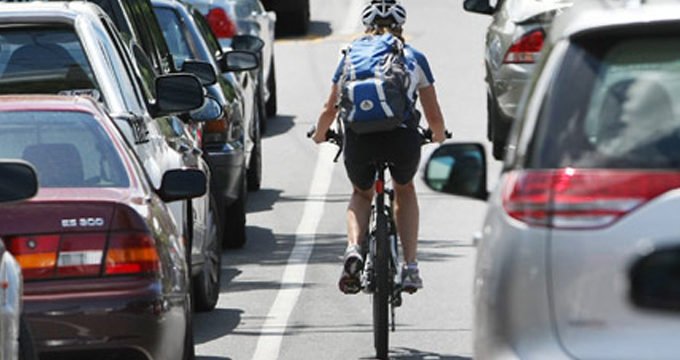
Cyclists and drivers share the same streets, yet misunderstandings between the two groups remain common — and sometimes dangerous. For cyclists, the road isn’t just a place to travel; it’s a space where a moment of inattention from a driver can result in serious injury. For drivers, cyclists may feel unpredictable or hard to anticipate.
Bridging this gap starts with understanding. By recognizing what cyclists experience on the road and what they wish drivers understood, we can create safer, more respectful streets for everyone.
Cyclists Are Legitimate Road Users
One of the most important things cyclists want drivers to understand is that bicycles are legally recognized vehicles in most places. Cyclists have the same right to use the road as cars, trucks, and motorcycles.
This means cyclists are allowed to:
- Ride in traffic lanes when bike lanes are unavailable
- Obey traffic signals and signs like any other vehicle
- Take the lane when necessary for safety
When drivers view cyclists as intruders rather than fellow road users, frustration and risky behavior increase. Respecting cyclists’ legal right to the road is the foundation of safer sharing.
Taking the Lane Is Often About Safety
Drivers sometimes become irritated when a cyclist rides in the center of a lane instead of hugging the curb. From a cyclist’s perspective, this behavior is usually intentional and safety-driven.
Cyclists may take the lane to:
- Avoid potholes, debris, or storm drains
- Stay visible to drivers
- Prevent unsafe passing in narrow lanes
Riding too close to the edge can actually increase danger by encouraging drivers to pass without enough space. Taking the lane often reduces risk, even if it briefly slows traffic.
Passing Distance Makes a Huge Difference
What feels like plenty of space from inside a car can feel terrifying on a bicycle. A vehicle passing too closely creates wind pressure and leaves little margin for error.
Cyclists wish drivers understood that:
- Safe passing requires several feet of clearance
- Close passes can cause loss of balance
- Even minor contact can lead to serious injury
Many regions have “safe passing” laws for a reason. Giving cyclists extra space isn’t just courteous — it can prevent life-altering accidents.
Cyclists Are More Vulnerable Than They Appear
Cars offer protection through metal frames, airbags, and seat belts. Cyclists have none of those. Even at low speeds, a collision can result in broken bones, head injuries, or worse.
Cyclists are constantly aware that:
- A small mistake can have serious consequences
- Road hazards affect bikes differently than cars
- Weather and visibility impact cyclists more intensely
Understanding this vulnerability helps drivers appreciate why cyclists may ride defensively or cautiously.
Predictability Matters More Than Speed
Cyclists value predictability over speed. Sudden turns, unexpected lane changes, or aggressive acceleration near cyclists create uncertainty and danger.
Drivers can help by:
- Using turn signals early
- Checking mirrors and blind spots carefully
- Avoiding abrupt movements near cyclists
Clear, predictable driving gives cyclists time to react and maintain control, especially in traffic-heavy areas.
Bike Lanes Don’t Eliminate All Risks
While bike lanes improve safety, they don’t remove all challenges. Cyclists often encounter obstacles within bike lanes that force them into traffic.
Common issues include:
- Parked or idling vehicles blocking lanes
- Debris, glass, or uneven pavement
- Intersections where bike lanes disappear
Cyclists may need to merge into traffic suddenly to avoid hazards. Drivers who expect this possibility are better prepared to respond safely.
Distractions Are Especially Dangerous Around Cyclists
Distracted driving is dangerous for everyone, but it poses an even greater risk to cyclists. A momentary glance at a phone can be the difference between a safe pass and a serious crash.
Cyclists wish drivers would remember:
- Bikes are smaller and easier to miss
- Reaction time matters more around vulnerable road users
- Full attention saves lives
Staying alert is one of the simplest and most impactful ways drivers can protect cyclists.
Night Riding Isn’t Always a Choice
Drivers sometimes assume cyclists riding at night are being reckless. In reality, many cyclists commute, work late, or rely on bikes as their primary transportation.
While cyclists take steps to remain visible — using lights, reflective gear, and bright clothing — drivers still play a crucial role by:
- Slowing down in low-visibility conditions
- Watching carefully for movement at intersections
- Avoiding assumptions about who “should” be on the road
Shared responsibility improves safety after dark.
Accidents Are Often More Serious for Cyclists
When a collision happens, cyclists usually bear the brunt of the impact. Recovery can involve long medical treatments, missed work, and emotional trauma.
After serious crashes, some cyclists seek guidance from professionals such as a Mukilteo Bicycle Accident Lawyer to understand their rights and options. These situations highlight how quickly everyday rides can turn into life-changing events.
Prevention, understanding, and patience can reduce the likelihood of these outcomes.
Respect Goes a Long Way
Most cyclists aren’t trying to inconvenience drivers. They’re commuting, exercising, or running errands — just like anyone else. Simple acts of courtesy make a meaningful difference.
Cyclists appreciate when drivers:
- Wait a few extra seconds to pass safely
- Make eye contact at intersections
- Acknowledge their presence
Respect fosters cooperation rather than conflict on shared roads.
What Safer Sharing Really Looks Like
Safer roads aren’t created by blaming one group over another. They’re built through awareness, empathy, and mutual responsibility.
For drivers, this means:
- Slowing down near cyclists
- Giving space and time
- Recognizing cyclists as people, not obstacles
For cyclists, it often means riding predictably, signaling clearly, and following traffic laws.
Final Thoughts
Cyclists don’t expect perfection from drivers — just awareness and understanding. Roads are shared spaces, and safety depends on how well everyone respects one another’s presence.
By understanding what cyclists experience and why they ride the way they do, drivers can help create a calmer, safer environment for all road users. A little patience, extra space, and mindful driving go a long way toward ensuring everyone gets where they’re going safely.
