


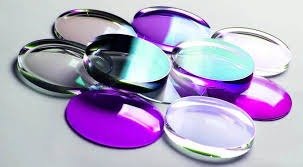
In industries where precision optics are critical, such as healthcare, manufacturing, and photography, the quality of lenses plays a significant role in ensuring optimal performance. Optical coating is a vital process used to enhance the functionality of lenses by improving their durability and visual clarity. By applying coatings to lenses, manufacturers can not only protect the surface of the lenses but also enhance their optical properties, resulting in better performance and extended lifespan.
This article explores the specific benefits of optical coating, focusing on how it contributes to lens durability and enhances visual clarity, making it a must-have for industries relying on precision optics.
Optical coating plays a critical role in the manufacturing of lenses that perform at their best in a variety of applications.
1. Enhanced Durability for Longer-Lasting Lenses
One of the primary benefits of optical coating is the significant increase in lens durability. Lenses, particularly those used in high-performance environments, are susceptible to scratches, abrasion, and environmental damage. Coatings, such as anti-scratch or anti-reflective coatings, provide a protective layer that shields the lens from these common issues, extending the life of the lens and maintaining its quality over time.
This enhanced durability is especially important for lenses used in optical instruments, safety glasses, camera lenses, and eyeglasses, where even minor scratches or damage can affect their performance.
Durability Benefits:
- Scratch resistance: Coatings create a protective layer that minimizes damage from physical contact.
- Protection from environmental factors: Optical coatings help lenses resist moisture, dirt, and dust, keeping them clean and functional.
- Longer lifespan: Durable coatings contribute to a longer-lasting product, reducing the need for frequent replacements.
2. Improved Visual Clarity and Reduced Glare
Optical coating is also essential for enhancing visual clarity. One of the most common coatings applied to lenses is the anti-reflective coating, which reduces glare and reflections on the lens surface. This leads to better light transmission and clearer vision, making it ideal for lenses used in high-precision applications like microscopes, telescopes, and eyewear.
Anti-reflective coatings improve the contrast and brightness of the images viewed through the lens, which is especially beneficial for people who wear glasses or use optical devices for extended periods. This coating also improves the aesthetic appearance of lenses by reducing reflections that can be distracting.
Clarity Benefits:
- Reduced glare: Anti-reflective coatings minimize reflections, allowing more light to pass through the lens for clearer vision.
- Improved contrast: Optical coatings enhance contrast, making images sharper and more defined.
- Better visual comfort: Coatings that reduce glare improve comfort, especially for people using optical devices for extended periods.
3. Enhanced Performance in Various Environments
Optical coating can be tailored to suit the specific needs of different environments and applications. For example, coatings can be applied to protect lenses used in outdoor environments from UV radiation, which can degrade the material and affect optical performance. UV coatings help prevent lens yellowing and maintain clear vision, even after prolonged exposure to sunlight.
Coatings can also be designed to provide anti-fog properties, which is particularly useful in environments with high humidity or temperature fluctuations. This functionality is beneficial for safety glasses, sports eyewear, and lenses used in scientific research, where fogging could compromise safety or performance.
Environmental Protection Benefits:
- UV protection: Optical coatings protect lenses from harmful UV rays, maintaining lens integrity and preventing degradation.
- Anti-fog capabilities: Special coatings prevent condensation and fogging, ensuring clear vision in challenging environments.
- Adaptability: Coatings can be customized to meet the demands of different environments, from outdoor to laboratory settings.
4. Cost-Effectiveness and Maintenance
While optical coating may require an initial investment, it can result in long-term cost savings by reducing the need for frequent lens replacements or repairs. The added protection from scratches, environmental damage, and wear-and-tear means lenses last longer, reducing the frequency of purchasing new lenses or maintaining older ones.
In addition, optical coatings often require less maintenance. For example, anti-reflective coatings make it easier to clean lenses by preventing dust and dirt from sticking to the surface, further extending the life of the product and ensuring optimal performance.
Cost Savings and Maintenance Benefits:
- Reduced replacement costs: Durable coatings prolong the life of lenses, reducing the need for replacements.
- Lower maintenance: Easy-to-clean coatings save time and effort in maintaining optical clarity.
- Improved long-term value: Investing in quality optical coatings increases the value of the lenses over time.
5. Customization for Specific Optical Needs
The versatility of optical coating allows for customization to meet the unique needs of various industries. Different coatings can be applied depending on the specific application, such as coatings for anti-glare, anti-scratch, or hydrophobic properties. This flexibility ensures that manufacturers can provide tailored solutions that optimize lens performance in different environments.
For instance, coatings can be applied to lenses used in high-precision instruments, medical devices, or military applications to meet the strict requirements for clarity, durability, and functionality. Custom coatings help businesses meet the specific demands of their industry while ensuring that lenses perform optimally.
Customization Benefits:
- Tailored solutions: Coatings can be customized to meet specific performance requirements, such as UV resistance or scratch protection.
- Industry-specific applications: Custom coatings provide solutions for specialized industries like healthcare, military, or aerospace.
- Enhanced performance: Coatings ensure that lenses are optimized for their intended use, maximizing their potential in each application.
Closing Perspective: Maximize Lens Performance with Optical Coating
For industries that rely on precision optics, optical coating is essential for ensuring the durability, clarity, and performance of lenses. By investing in high-quality coatings, businesses can protect their lenses from damage, improve visual clarity, and reduce maintenance costs.
Whether you’re designing lenses for eyewear, cameras, or scientific instruments, optical coatings help create long-lasting, high-performance products that meet the demands of modern applications. Embracing optical coating ensures that lenses perform at their best, providing superior clarity, protection, and value for years to come.
