


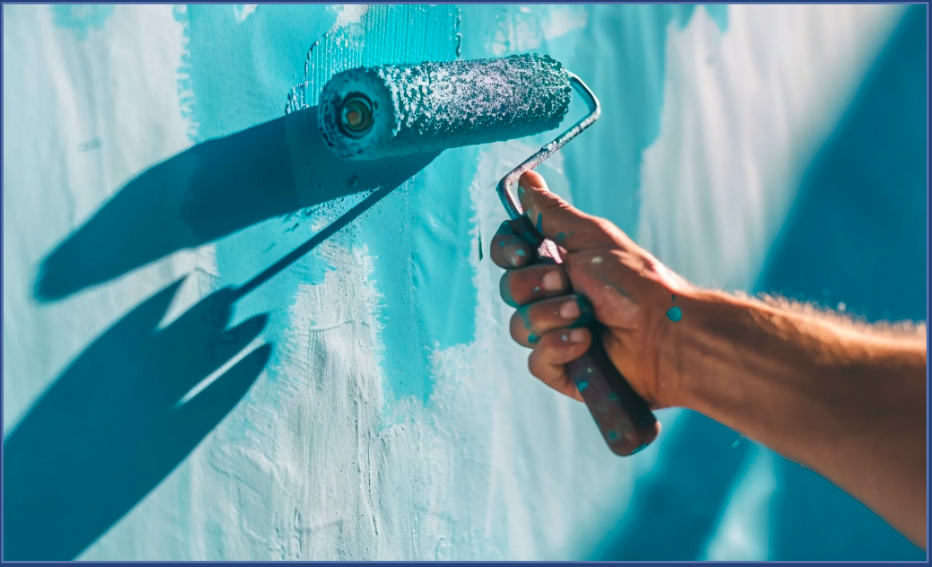
Painting your home’s exterior can make it look fresh and protect it from weather damage. But picking the wrong time can ruin your paint job and waste your money, shares Keyrenter Miami West solutions.
This guide will help you choose the best time to paint your house.
Why Timing Matters for Exterior Painting
The weather plays a big role in how well paint sticks to your home. Temperature, rain, and humidity all affect the final result. Paint that dries too fast or too slow won’t last as long. It might crack, peel, or look bumpy.
According to HomeAdvisor, painting a home exterior costs between $1.50 and $4 per square foot. That means a typical 2,000 square foot home costs $3,000 to $8,000 to paint. You don’t want to waste that money on a bad paint job.
The Best Seasons for Exterior Painting
Spring (Late Spring is Best)
Late spring is one of the top times to paint your home’s exterior. The weather is mild and stable.
Good things about spring:
- Temperatures are between 50 and 85 degrees, which is perfect for most paints
- Lower humidity than summer means paint dries at the right speed
- Fewer rainy days in late spring
- You finish before summer heat arrives
Problems with spring:
- Early spring can be too rainy
- Trees and plants might be in the way
- Painting companies start getting busy, so you need to book early
Summer (Early Summer Works Best)
Summer gives you long days and warm weather. But extreme heat can cause problems.
Good things about summer:
- Lots of daylight hours to work
- Warm, dry weather helps paint cure properly
- Most painting companies are available
Problems with summer:
- Too much heat makes paint dry too fast, causing brush marks and bubbles
- High humidity in some areas slows drying time
- Paint can “bake” in direct sun
- Most expensive time to hire painters because it’s peak season
If you paint in summer, avoid days over 85 degrees. Start work around 10 a.m. after morning dew dries. This gives paint time to dry before evening humidity.
Fall (Often the Best Choice)
Many experts say fall is the ideal time for Exterior Home Painting Denver. The weather is stable and comfortable.
Good things about fall:
- Temperatures stay in the perfect 50 to 85 degree range
- Lower humidity than summer
- Less rain than spring in most places
- Paint cures at the right speed
Problems with fall:
- Shorter days mean less work time
- Rain becomes more common in late fall
- You need to finish before winter cold arrives
- In northern areas, you can’t paint past November
Winter (Usually Not Recommended)
Most painting experts say winter is the worst time for exterior painting. Cold weather stops paint from sticking properly.
Why winter doesn’t work:
- Paint won’t stick when temperatures drop below 50 degrees
- Freezing temperatures can ruin fresh paint
- Snow and ice make surfaces wet
- Dangerous conditions for painters on ladders
The only exception: If you live in a warm area like Florida or Southern California, you might paint in winter. These places stay above 50 degrees most days.
What Temperature is Best for Painting?
Different paints need different temperatures:
- Oil-based paint: Works between 40 and 90 degrees
- Latex paint: Needs 50 to 85 degrees
Most homes use latex paint on the exterior. Always check what your paint can says. Some new paints work in cooler weather, but 50 to 85 degrees is still safest.
Don’t just think about daytime temperature. Night temperatures matter too. Paint keeps drying after the sun goes down. If it gets too cold at night, the paint won’t cure right.
How Humidity Affects Your Paint Job
Humidity means moisture in the air. Too much moisture slows down drying time and can cause problems.
Best humidity level: Below 50% is ideal
Problems with high humidity:
- Paint takes too long to dry
- Moisture can get trapped under the paint
- Paint might look cloudy or spotty
- Higher chance of mold growing under the paint
Check the weather forecast for a few days with low humidity. This gives your paint the best chance to dry properly.
Rain and Your Painting Project
Rain is paint’s worst enemy. Even a little rain can ruin fresh paint.
Before painting: Make sure your walls are completely dry. If it rained yesterday, wait at least two days before painting.
After painting: Fresh paint needs 24 to 48 hours to dry enough to handle light rain. Check the weather forecast before you start. You want at least three dry days in a row.
If rain hits your fresh paint, you might see:
- Streaks running down the wall
- Spotty, uneven color
- Paint that peels off later
Direct Sunlight Can Cause Problems
Bright sunshine feels nice, but it can hurt your paint job. Direct sun makes paint dry too fast.
Problems from too much sun:
- Brush marks show up
- Uneven color
- Paint doesn’t stick well
- Blisters or bubbles form
How to avoid sun problems: Paint the shady side of your house first. As the sun moves, paint the areas that just got shade. Or start painting in the morning on the east side, then move to the west side in the afternoon.
Best Time of Day to Paint
Time of day matters as much as time of year. Start painting around 10 a.m. Morning dew needs time to dry off your walls first.
Why 10 a.m. is perfect:
- Dew has dried
- Temperature is warm but not too hot
- You have plenty of daylight left
- Paint has time to dry before evening humidity
Don’t start too late in the day. Paint needs several hours to dry before night comes. Evening dew and lower temperatures can damage paint that’s still wet.
How Your Location Changes the Best Time
Where you live makes a big difference.
Hot, dry areas (like Arizona or Nevada): Paint in spring or fall. Summer is too hot.
Humid areas (like Florida or coastal regions): Fall is best. Summer has too much humidity.
Cold areas (like Minnesota or Maine): Late spring through early fall. Your painting window is shorter.
Moderate climates (like California): You have more options. Spring and fall are still best, but you might paint in winter too.
How Long Does Exterior Paint Last?
Good exterior paint should last five to ten years. How long depends on:
- Quality of the paint
- How well the surface was prepared
- Weather in your area
- How much direct sun hits your walls
- Regular maintenance
Painting at the right time helps your paint last longer. Paint that goes on in perfect conditions sticks better and protects your home better.
How to Save Money on Exterior Painting
Exterior painting costs a lot. Here are ways to spend less:
Paint in off-season: Fall and spring cost less than peak summer. Some painting companies offer 10% to 20% discounts in slower months.
Do your own prep work: Clean your siding yourself. Scrape off old, peeling paint. This can save hundreds of dollars.
Get multiple quotes: Talk to at least three painting companies. Compare their prices and what they include.
Use good paint, not cheap paint: Cheap paint needs more coats and doesn’t last as long. You’ll spend more money repainting sooner.
Bundle projects: If you need interior painting too, do both at once. Many painters give discounts for bigger jobs.
Should You Hire a Professional or DIY?
Painting your own home saves money on labor. Labor makes up about 85% of professional painting costs. But DIY painting has challenges:
DIY is good if:
- You have the time
- Your home is one story
- You have the right tools and equipment
- You feel comfortable on ladders
Hire a professional if:
- Your home is two or more stories
- You don’t have much free time
- You want the job done fast
- You want a warranty on the work
Professional painters know how to work in different weather. They have the right tools and can finish quickly. Most offer a warranty, so if something goes wrong, they fix it.
Preparing Your Home for Painting
Good preparation helps paint stick and last longer. Here’s what needs to happen:
Clean the surface: Remove dirt, mold, and mildew. Pressure washing works well but needs time to dry completely.
Fix damage: Fill cracks and holes. Replace rotted wood. Sand rough spots smooth.
Scrape old paint: Remove any paint that’s peeling or bubbling.
Prime if needed: Bare wood or repaired spots need primer first.
These steps take time. Plan for at least a week of prep before painting starts.
Final Tips for Perfect Timing
- Check the forecast: Look at the weather for at least five days. You want dry, mild days.
- Book early: Good painters fill up their schedules months ahead. Call in winter to book spring or fall work.
- Be flexible: If you can move your project by a few weeks, you might get better weather or lower prices.
- Listen to your painter: Professional painters know when conditions are right. Trust their judgment.
- Don’t rush: Waiting for perfect weather is better than rushing into bad conditions.
Conclusion
The best time for exterior home painting is late spring or early fall. These seasons give you the right temperature, low humidity, and stable weather. Summer works too if you avoid the hottest days. Winter is almost never a good choice unless you live somewhere warm.
Exterior painting costs add up quickly. Choosing the right time protects your investment. Paint that goes on in good conditions lasts longer and looks better.
Think about your local climate and weather patterns. Check the forecast before you start. And remember that perfect conditions are worth waiting for. Your home will look beautiful for years to come.
