


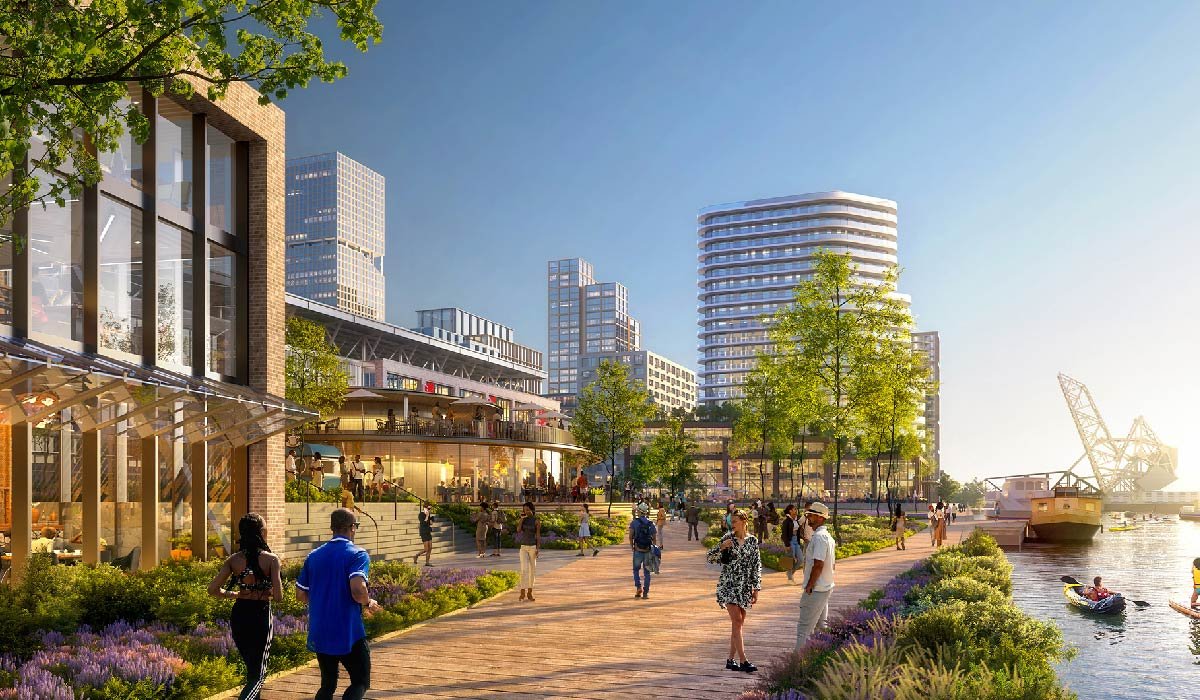
The contemporary lifestyle discourse of 2026 is obsessed with a singular, vital concept: spatial agility. As the lines between our creative studios, professional offices, and private sanctuaries continue to blur, the physical environments we inhabit must adapt to a multi-tiered operational reality. We are no longer content with static, single-purpose rooms; we demand spaces that transition seamlessly from high-focus corporate hubs to relaxed, sensory sanctuaries at a moment’s notice.
Achieving this high-fidelity lifestyle requires a deep audit of the materials that form the backdrop of our lives. If a space is constructed using fragile, low-grade finishes, it imposes a constant boundary on our freedom of movement. A creative studio should not be a museum where every step must be calculated to avoid marking the floor. The modern urbanite requires an environment engineered for uninhibited performance.
The Architectural Foundation of Creative Focus
To understand the relationship between material environment and creative output, one must consider the principles of environmental design. Every texture, density, and sound within a home office or creative studio sends a direct signal to the nervous system. Low-density, hollow surfaces amplify ambient noise and transmit vibrations, creating a subtle but persistent state of sensory distraction that kills the creative flow state.
By contrast, an environment built on a foundation of high-density, advanced structural materials creates an immediate sense of grounded stillness. High-performance composites, precision-milled timber elements, and sound-dampening sub-layers work together to isolate the space from external disruptions. For those seeking to optimize their personal environments for peak cognitive performance, prioritizing high-density internal material selections has become the primary step in creating a truly sovereign work-live ecosystem.
The Philosophy of Permanence over Trends
The design culture of 2026 is experiencing a massive backlash against the disposable materialism of the past decade. The cycle of installing cheap, trend-chasing finishes only to replace them thirty-six months later is recognized as an ecological and financial failure. Today’s cultural elite are investing in a permanent aesthetic—timeless designs built with raw materials that are engineered to last a lifetime.
This philosophy demands a commitment to material truth:
- Structural Integrity: Surfaces must resist indentation, moisture ingress, and thermal expansion without requiring constant synthetic treatments.
- Aesthetic Endurance: Choosing rich, natural tones and deep textures that complement evolving interior design trends rather than clashing with them.
- Low-Maintenance Utility: Eliminating the need for specialized chemical cleaners, allowing the space to be maintained with simple, low-impact methods.
When an urban space is finished with this level of rigor, it ceases to be a source of maintenance anxiety and becomes a reliable asset that enhances both personal productivity and long-term property liquidity.
The End-to-End Execution Layer
The transition to a high-performance living space cannot be achieved through fragmented, amateur execution. In the design world of 2026, the procurement process must be just as elegant as the final material itself. The modern consumer expects a unified, frictionless pipeline from initial concept to final deployment.
This expectation has driven the success of vertically integrated service models. By consolidating the selection, spatial analysis, and physical implementation under a single master protocol, the risk of technical error is completely mitigated. A single team managing the transformation ensures that the architectural tolerances are met perfectly, resulting in a flawless finish that functions as a natural extension of the building’s original structure.
Conclusion: Mastering the Internal Horizon
The architecture of our private spaces is a direct reflection of our personal philosophy. To live a high-fidelity life, we must demand a high-fidelity environment—one that stands firm against the demands of daily activity while providing a beautiful, silent backdrop for our creative and professional endeavors.
By investing in the physical reality of our spaces, we are buying back our time, our focus, and our peace of mind. The future of interior design belongs to the platforms and materials that prioritize substance over superficial style, providing the unyielding foundation upon which the modern sovereign life is built.
