


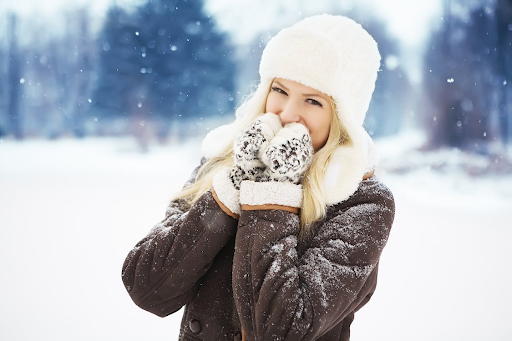
Ever come back from a day in the snow shivering, stiff, and totally miserable?
It’s less rare than you might imagine. Clothing yourself properly in cold weather can mean the difference between a great day outdoors and a miserable day you just want to hurry home from. Plus – and this is important – dressing warm doesn’t mean wearing a bunch of bulky layers that hobble your movement.
Winter sports are hotter than ever. Last season Americans logged 61.5 million skier visits nationwide. That’s one of the highest tallies in history.
And whether you’re hitting the slopes or just shoveling the driveway, the same rule applies. The right clothing keeps the cold out, the warmth in, and your body moving freely.
The good news?
When dressed correctly for cold weather, you can stay warm AND remain active throughout the day.
Here’s the Breakdown:
- Why Cold-Weather Gear Matters
- The Layering System That Works
- Picking Your Base, Mid, and Outer Layers
- Protecting Your Hands, Feet, and Head
- Getting the Warmth-To-Mobility Balance Right
Why Cold-Weather Gear Matters More Than You Think
Let’s get one thing straight… The cold is no joke.
Your body can’t perform well or safely when it loses heat faster than it can produce heat. Just so happens cold deaths rose 95% from 2017 to 2022 in the United States. This jump is alarming and showcases the importance of warmth.
That is why having proper winter sports equipment is crucial. By picking up some quality cold weather gear at a sporting goods store in Paradise Valley, AZ, you’ll be ready before the mercury even drops. Whether you ski, snowboard or simply enjoy spending hours out in the snow!
Good apparel does two big jobs:
- Traps your body heat so you stay warm
- Lets you move so you can actually enjoy yourself
Get this part right and everything else falls into place.
The Lyering System That Actually Works
Want to know the secret the pros use? It’s all about layers.
One thick jacket may seem like a simple solution but it isn’t. Sweat gets trapped, one layer becomes heavy, and you lose mobility. Layering allows you smarter clothing options. You can add or remove layers as your body temperature rises and falls all day.
There are three layers you need to know:
- Base layer: sits against your skin and pulls sweat away
- Mid layer: holds in your body heat
- Outer layer: blocks wind, snow, and rain
Every layer performs one function. Put together, they will keep you dry, warm and mobile. Simple as that!
That’s the whole reason layering has stood the test of time. It just works.
Start With a Solid Base Layer
Here’s something most people get completely wrong…
They grab cotton. Huge error. Cotton absorbs sweat and then traps it against your skin so you get clammy QUICK. Once you get wet, you are cold all day.
Instead, your base layer should be made from materials that wick moisture away, like:
- Merino wool
- Synthetic blends such as polyester
Dry skin stays warm. A good base layer dries your skin. That’s why it’s the foundation of your entire winter wardrobe. Please don’t neglect it. Fit should be snug…but never tight. You’ll still need to breathe, bend and reach.
Lock In Heat With the Right Mid Layer
Now for the layer that does the heavy lifting when it comes to warmth.
The mid layer is responsible for insulation. It traps the warm air created by your body and keeps it next to you. The thicker and puffier it is, the warmer you’ll stay out skiing.
Popular mid layer options include:
- Fleece jackets
- Down-filled vests
- Synthetic insulated pullovers
Use a lightweight fleece for those warmer days. Use down or a heavier weight synthetic fill for brutally cold days. The beauty of layering is you can take this layer on and off based on the conditions and activity level.
Top It Off With a Weatherproof Outer Layer
This is your shield against everything Mother Nature throws at you.
Your outer layer — also known as the shell — keeps wind, rain and snow out where they belong. Ideally, shells should be waterproof and breathable, allowing moisture from sweat to escape.
When choosing a shell, look for:
- Sealed or taped seams
- A waterproof rating that matches your conditions
- Pit zips for letting out extra heat
A good shell will keep your entire ensemble intact. All the lovely cozy layers you’ve built up will get drenched as soon as it rains without one.
Don’t Forget Your Hands, Feet, and Head
Here’s a fact that surprises a lot of folks…
Hands, feet, and head. Those are where you lose most of your heat. You can have the coolest jacket in the world, but if your fingers are numb, you might as well go home.
Cover these areas properly with:
- Insulated, waterproof gloves or mittens
- Wool or synthetic socks (never cotton)
- A warm beanie or a helmet liner
- A neck gaiter or balaclava for those windy days
Little pieces of kit can really go a long way. Also they’re inexpensive relative to a jacket, and easily pack small.
Getting the Warmth-To-Mobility Balance Right
This is where a lot of people slip up.
They overdress so much they cannot move their arms. One benefit of proper cold weather clothing is warmth WITHOUT sacrificing mobility.
Look for gear that is:
- Lightweight but well-insulated
- Stretchy in the right places
- Cut to match how you actually move
Winter sports clothes are made to keep you moving. Fabrics these days are lighter and warmer than ever before. You no longer have to choose between cozy and bendable. You can be cozy AND bendable.
Wrapping Up Your Winter Setup
Layering is not necessarily adding as many layers as you can think of.
Think of options. Pick a base layer that wicks moisture away from your body, a mid layer that traps warmth, and a shell that deflects the elements. Don’t forget mobility!
Remember these quick wins:
- Layer up instead of wearing one bulky coat
- Skip cotton and pick moisture-wicking fabrics
- Protect your hands, feet, and head
- Choose gear built for both warmth and movement
Gear up and you’ll be prepared for anything winter brings. Don’t let cold weather slow you down. With the right gear in your arsenal.
