



Smart glasses with camera capabilities crossed a practical threshold in 2026. Meta, RayNeo, and Oakley now ship AI-powered frames that record video, translate languages, and identify objects on the fly. The broader smart glasses market splits along two buying priorities: camera-driven AI wearables and display-focused AR glasses built for immersive viewing.
This guide covers the top models shipping in both categories today. Whether you need hands-free AI-assisted capture or a wearable HDR screen, these products take different approaches — and choosing the right pair starts with knowing what you actually need.
Why Camera Integration Matters in 2026
The camera triggered mainstream smart glasses adoption. Meta proved the concept with Ray-Ban Meta, which has sold over two million units since its 2023 launch according to EssilorLuxottica earnings disclosures. By 2026, onboard cameras paired with multimodal AI unlock capabilities well beyond recording:
- Real-time language translation displayed directly through the lens
- Object and scene identification driven by onboard AI vision models
- Proactive contextual prompts generated from the wearer’s surroundings
That convergence reframes how buyers evaluate smart glasses with camera options. The onboard lens no longer just captures — it feeds an AI system that sees, interprets, and responds. The result is a fundamentally different product category from what shipped even two years ago.
Top Smart Glasses with Camera for 2026
The current market ranges from casual capture frames to fully integrated AI-plus-AR platforms. Smart glasses with camera now combine onboard processing, spatial audio, and sometimes full AR displays. Here are the four models shaping the 2026 landscape.
Ray-Ban Meta Gen 2
Meta’s best seller earned its following through design discipline. The upgraded 12MP camera records 3K video, while Meta AI delivers voice search and real-time object recognition. Battery life reaches up to eight hours, and the Wayfarer frame passes as everyday eyewear — a practical edge most competitors still lack.
RayNeo X3 Pro
The X3 Pro pairs a 12MP camera with a binocular Micro-LED AR display driven by a Snapdragon AR1 processor and Google Gemini AI. It translates 14 languages in real time with text overlaid in the wearer’s field of view. CES 2026 coverage flagged it as a standout camera-display hybrid shown that year.
Oakley Meta HSTN
Oakley’s wrap-around frame runs the same Meta AI stack as the Ray-Ban lineup, targeting active users who want sport-ready design with a built-in camera. Starting at $399, it mirrors the Gen 2 in core features and trades style versatility for rugged outdoor durability.
Meta Ray-Ban Display
At $799, this model adds a small in-lens display to Meta’s camera-and-AI foundation. Reviewers noted a narrow field of view and steep price that limit broader appeal. It previews Meta’s display ambitions, though current execution likely suits early adopters more than mainstream buyers.
Camera vs. Display: Two Different Buying Priorities
Not every buyer needs what smart glasses with camera can currently deliver. A growing share of the broader smart glasses market prioritizes screen quality for movies, gaming, and productivity over any form of onboard capture or real-time AI translation.
| Feature | Camera Smart Glasses | Display AR Glasses |
|---|---|---|
| Primary Use | AI assistance, photo/video capture | Movies, gaming, virtual desktop |
| Display | None or minimal HUD | 43°–58° FoV virtual screen |
| Camera | √ (3K–12MP) | × (typically absent) |
| AI Integration | Deep (visual + voice) | Limited or via connected device |
| Weight | ~49–75 g | ~76–96 g |
| Price Range | ~$299–$1,299 | ~$299–$649 |
Smart glasses with camera excel at AI-driven interaction and hands-free capture. Display AR glasses deliver screen real estate and immersion. Most 2026 products lean into one core strength — a few hybrids attempt both, but budget and weight trade-offs still push most buyers toward one priority.
Best Display Smart Glasses for 2026
For buyers who value screen quality over camera capabilities, three display-focused AR options earned strong reviewer marks this year. Each one takes a distinct approach to resolution, audio, and wearable comfort within the broader smart glasses landscape.
XReal One Pro
The One Pro delivers a 57-degree field of view with built-in 3DOF head tracking that anchors the virtual screen in space. Priced between $599 and $649, it targets power users who need ultrawide virtual desktop functionality paired with Bose-tuned spatial audio.
RayNeo Air 4 Pro
The Air 4 Pro introduced HDR10 to wearable displays — a first for any AR smart glasses. Its Vision 4000 chip upscales SDR content to HDR in real time, producing 10.7 billion colors at ΔE < 2 accuracy. Audio co-tuned by Bang & Olufsen delivers spatial sound in a 76-gram frame.
Viture Beast
Viture’s $549 model earned praise from The Verge for OLED contrast and deep blacks that rival living-room screens. It includes 3DOF head tracking, though some reviewers noted occasional screen drift during extended sessions. Display contrast ranks among the strongest in this price tier.
How to Choose the Right Pair
The right pair depends on what you plan to do most. Camera-first and display-first smart glasses serve fundamentally different needs, and no single model leads across every metric. Match your primary use case to each category’s strength:
- Need AI-assisted capture or hands-free translation? Camera-equipped models should come first.
- Want a wearable cinema or portable gaming display? Display-first AR glasses lead here.
- Working within a tight budget? The RayNeo Air 3s Pro at $299 holds PCMag’s Editors’ Choice.
For Creators and Travelers
Smart glasses with camera suit POV content creators and frequent travelers who rely on live translation. The RayNeo X3 Pro handles both through its 12MP sensor and 14-language translation overlay. The Ray-Ban Meta Gen 2 covers quick social captures and everyday documentation without the AR display layer.
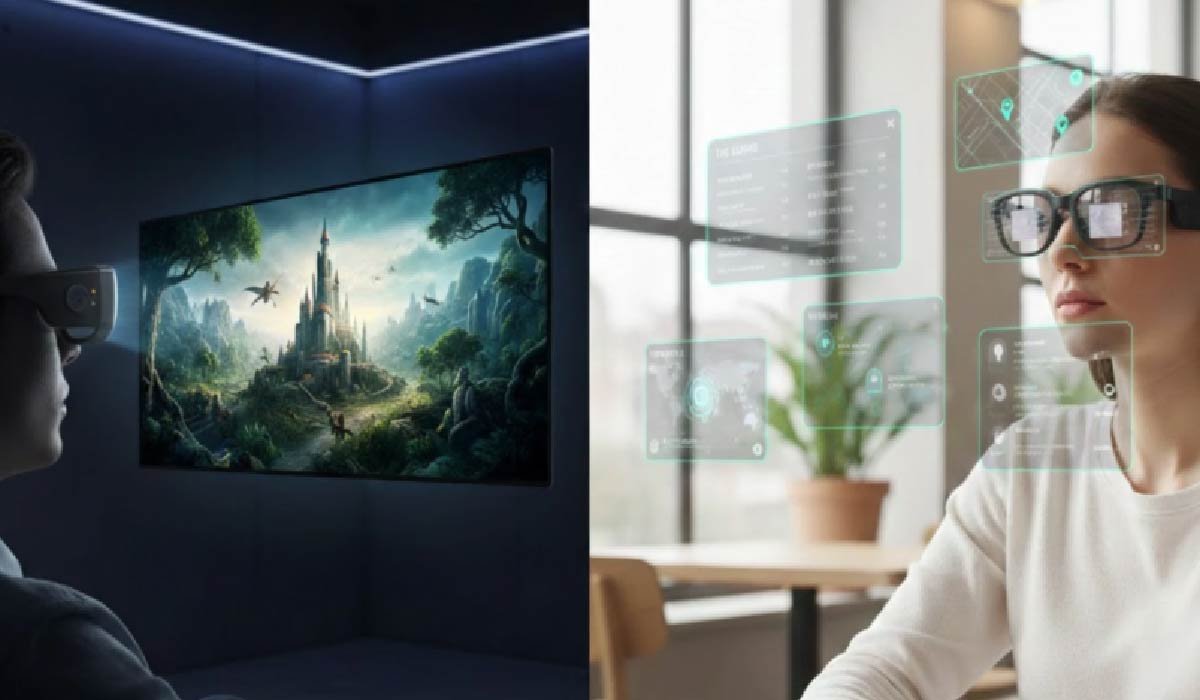
For Entertainment and Gaming
Display smart glasses dominate this space. The RayNeo Air 4 Pro’s HDR10 output and B&O spatial audio produce a cinema-grade experience in a 76-gram package. The XReal One Pro’s 57-degree field of view creates the largest portable screen for Steam Deck and Switch 2 sessions. Both connect via USB-C.
What Comes Next
Camera and display capabilities in smart glasses keep converging, but most 2026 products still succeed by leaning into one core strength. From smart glasses with camera to display-first wearables, the practical play remains matching the hardware to the way you actually use it.
Smart glasses with camera will keep advancing as onboard AI processors improve further. Display models will push toward wider fields of view and higher color fidelity. This category moves fast — pick the hardware that fits your daily needs.
