


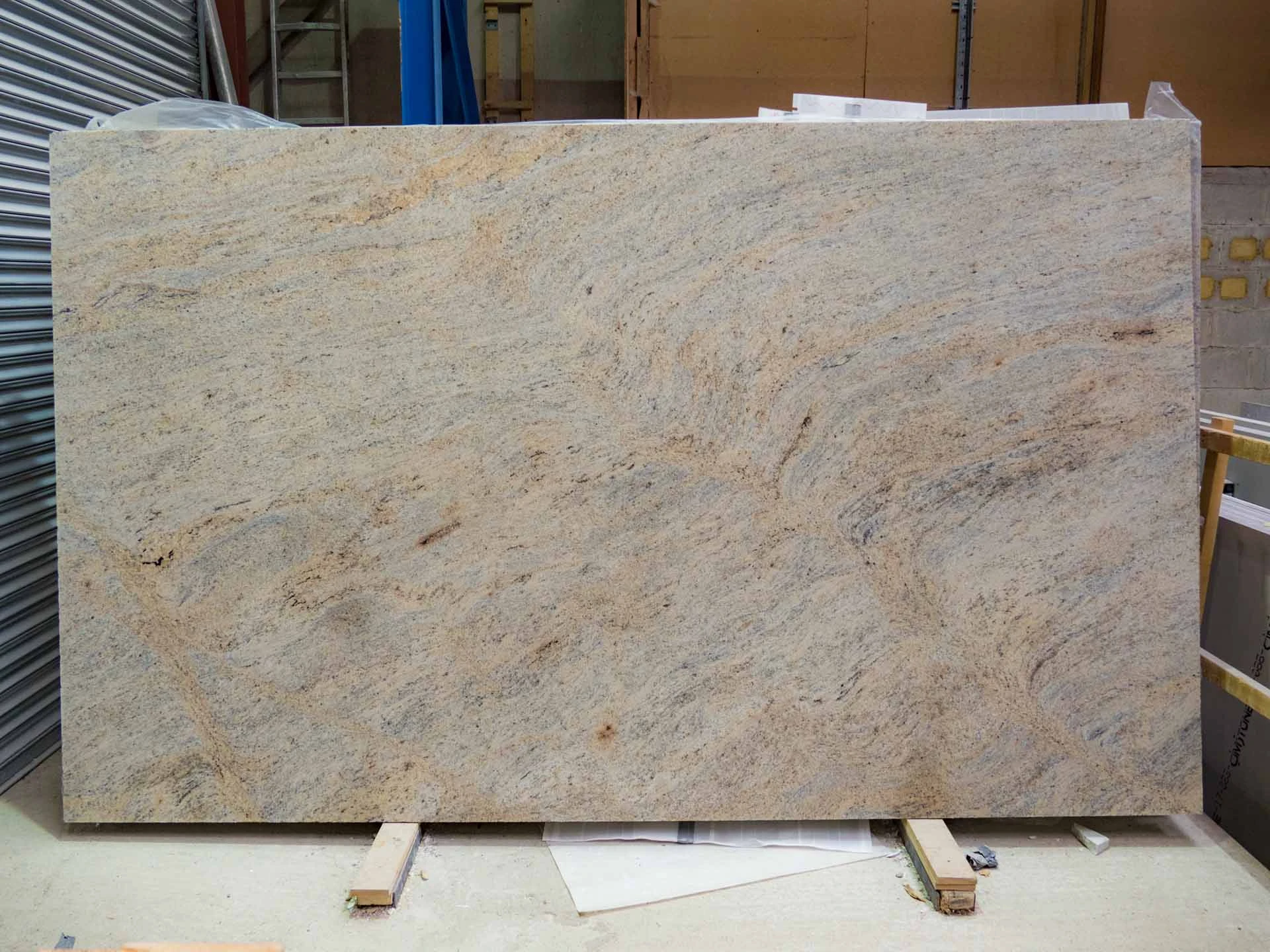
It usually becomes obvious only after everything is installed. The kitchen is complete, the benchtop is polished, and then you notice it. One section looks slightly warmer in tone, another has heavier veining, and a third feels almost like a different stone altogether. What looked consistent in samples now appears mismatched across the surface. This is one of the most common frustrations homeowners face when working with natural stone. Many only discover the issue after installation, often when working with marble slabs sydney, where multiple slabs are sourced at different times or from different batches without the homeowner realising the visual impact.
Why Natural Stone Varies From Batch to Batch
Natural stone is not manufactured. It is formed over millions of years through geological processes involving heat, pressure, and mineral deposits. This means every slab carries a unique composition based on where and how it was formed.
Even within the same quarry, different sections produce stone with varying colours, patterns, and mineral concentrations. Some slabs may come from deeper layers with richer tones, while others from upper layers appear lighter due to environmental exposure over time.
Batch variation happens when slabs are extracted or processed at different times or from different parts of the quarry. Since these conditions are never identical, the resulting stone cannot be perfectly matched. This is not considered a defect. It is a natural characteristic of the material, but it does create practical challenges during installation.
What “Batch Variation” Actually Means
When people refer to batch variation, they are usually talking about visible differences between slabs that are meant to be the same material. These differences can show up in several ways. Colour tone is the most noticeable. One slab may appear slightly darker, warmer, or cooler than another. Even subtle differences become obvious when placed side by side across a large surface.
Veining patterns also vary significantly. Natural stone often contains lines or streaks formed by mineral deposits. These patterns are random and cannot be replicated, which means two slabs will rarely align visually. Texture and finish can differ as well. Even with consistent processing, variations in the stone’s internal structure can create slight differences in surface feel and appearance. Batch variation, therefore, is not just a minor detail. It affects the overall look and cohesion of a finished project.
Where Mismatches Become Most Noticeable
Some areas of a project highlight variation more than others. Large, continuous surfaces such as kitchen benchtops or islands make differences in colour and pattern easier to spot. When the eye travels across a wide surface, even small inconsistencies stand out.
Waterfall edges are another common problem area. When a slab is meant to flow seamlessly from the top surface down the side, any variation between pieces becomes immediately visible. The expectation of continuity makes mismatches more obvious. Adjacent slab joins also draw attention. When two slabs meet, differences in tone or veining can create a visible break rather than a smooth transition. This is particularly noticeable in open-plan kitchens where lighting enhances contrast.
These are the moments where batch differences stop being subtle and become a genuine visual issue.
The Hidden Costs of Mismatched Slabs
The impact of mismatched slabs is not just aesthetic. It often leads to practical and financial consequences that homeowners do not anticipate. Rework is one of the highest costs. If the mismatch is significant, sections may need to be removed and replaced. This involves additional labour, material costs, and sometimes sourcing new stone slabs that still may not match perfectly.
Delays are another issue. Waiting for replacement pieces or redoing installation can push back project timelines, affecting other trades and overall completion schedules. There is also the cost of compromise. In many cases, homeowners choose to accept the mismatch because fixing it is too expensive or time-consuming. This means living with a result that does not match the original expectation. What started as a material choice ends up affecting both budget and satisfaction.
How to Avoid Batch Matching Issues
While natural variation cannot be eliminated, it can be managed with the right approach. The most effective step is to select all slabs from the same batch or quarry lot wherever possible. This increases the likelihood of visual consistency, even though some variation will still exist.
Viewing slabs in person before installation is equally important. Samples and small photos only show a fraction of the material and cannot represent the full range of variation. Seeing the actual slabs allows for better decision-making and more realistic expectations.
Planning the layout is another key step. Experienced stone fabricators often arrange slabs before fixing them in place, ensuring that colours and patterns are distributed in a way that looks balanced.
Ordering slightly more material than required also provides flexibility. It allows for selection and placement adjustments to minimise visible differences. These steps do not remove variation, but they do reduce the risk of obvious mismatches, and working with experienced stone suppliers in Sydney can make a significant difference in how batch selection is managed from the outset.
Conclusion
Natural stone will never be perfectly uniform, and that is part of its appeal. However, batch variation is a practical reality that can significantly affect the outcome of a project. Differences in colour, veining, and texture become most noticeable after installation, often when it is too late to correct them easily. Understanding how and why these variations occur allows for better planning and smarter decisions. With careful selection, viewing, and layout, it is possible to achieve a cohesive result while still embracing the natural character of the material.
FAQs
Why do stone slabs from different batches look different? Because natural stone forms under varying geological conditions, each batch has differences in mineral composition, colour, and pattern.
Can slab variation be avoided completely? No. Variation is inherent in natural stone. It can only be managed, not eliminated.
What should I check before selecting stone slabs? Always view the actual slabs, confirm batch numbers, and assess colour and veining consistency.
Does batch difference affect quality? No. It mainly affects appearance. Structural quality usually remains the same.
How can I ensure a consistent appearance? Select slabs from the same batch, view them in person, and plan the layout carefully before installation.
What happens if slabs do not match after installation? Options include accepting the variation, reworking sections, or replacing slabs, all of which can increase both costs and delays.
Read more on: wapbald
