


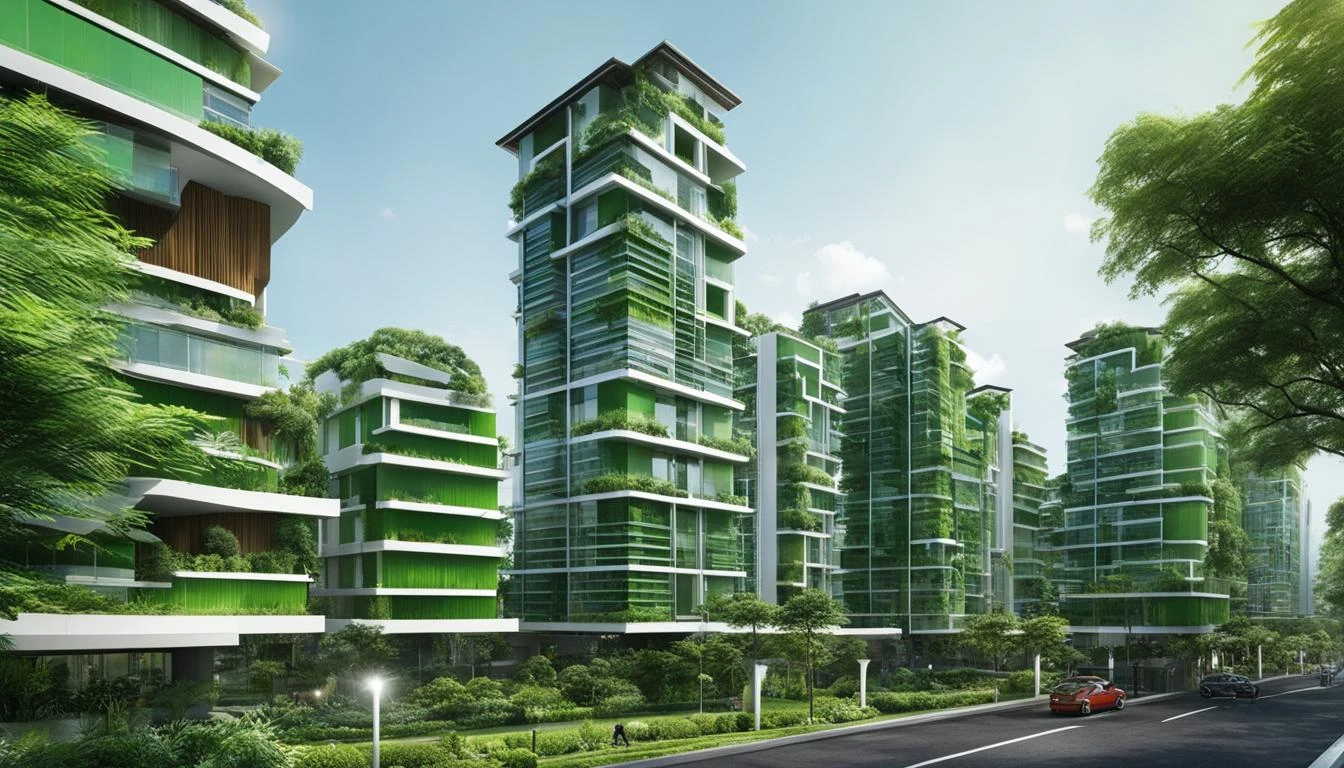
When you stroll through the streets of Kuala Lumpur, the cityscape tells a story — one of rapid growth pitted against the backdrop of environmental responsibility. Malaysia is increasingly embracing the philosophy of sustainable architecture, driven by a desire to create buildings that not only serve their purpose but do so with minimal impact on the planet. Let’s take a closer look at some innovative approaches that are shaping today’s eco-friendly designs in this beautiful nation.
The Rise of Green Building
Green building isn’t just a buzzword in Malaysia; it’s a movement gaining momentum. Developers, architects, and even homeowners are recognising the importance of sustainable practices. Agile Bukit Bintang for example, which showcases how eco-conscious design can harmonise with urban living. Built to utilise natural light and ventilation, it exemplifies how functionality and sustainability can go hand in hand.
Embracing Nature
It’s fascinating how architects today are looking back to nature for inspiration. Biomimicry, which involves mimicking designs and processes found in nature, is making waves in modern buildings. Think about the Lotus Effect — a self-cleaning surface inspired by the lotus flower. This concept is not only pleasing to the eye but also reduces the need for harsh cleaning chemicals, bringing a little bit of Mother Nature right into our homes. You don’t have to be an eco-warrior to appreciate the benefits of having a structure that respects the environment while reducing maintenance efforts!
Passive Design Strategies
In Malaysia’s tropical climate, passive design strategies are clever techniques that use the natural environment to enhance comfort. Properly positioned windows allow cool breezes to flow through, while strategically placed overhangs offer shade from the relentless sun. It’s about engaging with the elements instead of fighting against them. Imagine stepping into a room that remains cool without the need for air conditioning blasting away while the electric meter spins like a top. Just think of the savings on your utility bills!
Recycled Materials as a Norm
Have you ever thought about what happens to old buildings and materials when they are torn down? Instead of heading to the landfill, architects are taking a more creative approach. Recycled materials are gaining traction in construction, and it’s an exciting trend here in Malaysia. For instance, you might spot timber from old railway sleepers repurposed into stylish, modern furniture or stunning facades. Not only does this practice lend a unique character to any development, but it also contributes to reducing waste — a win-win for both aesthetics and the planet!
Renewable Energy Integration
Consider this: a building that generates its power through the sun. Sounds like something out of a sci-fi novel, but it’s fast becoming a practical reality in Malaysia. Solar panels have been making their way onto rooftops across the country, transforming conventional buildings into modern energy producers. Thanks to loads of sunlight, our tropical climate is an ideal backdrop for harnessing solar energy. Homeowners are becoming more aware of the savings that can come with investing in solar, and businesses are also keen on cutting their energy costs and carbon footprint. What’s not to love about that?
Community-Centric Designs
Sustainable architecture isn’t just about the individual structure. It also focuses on nurturing community bonds. Developers are thoughtfully incorporating public spaces into their designs, encouraging social interaction and fostering a sense of belonging. Parks, communal gardens, and recreational areas are becoming standard in new projects, especially in urban settings. As you wander through these spaces, you can’t help but feel a sense of connection — to your neighbours, your environment, and the world at large.
Local Climate Considerations
The beauty of Malaysian architecture lies in its adaptability to the local climate. Architects and designers are now customising their designs based on regional climates, creating buildings that suit their surroundings. From the coastal areas of Penang to the highlands of Cameron, each region has its unique needs. This thoughtful consideration ensures that structures not only function efficiently but blend seamlessly into the landscape — promoting a sense of harmony between human-made and natural environments.
The Future of Sustainable Architecture
The future looks bright for sustainable architecture in Malaysia. As more developers and homeowners recognise the importance of eco-friendly designs, we can expect to see buildings that are designed with both style and substance. The focus will likely shift towards integrating technology with traditional ecological knowledge, leading to innovative solutions that solve complex issues of urbanisation while respecting nature.
Whether you’re an architect, a builder, or just someone who appreciates a well-designed space, the push towards sustainability is something we can all get behind. After all, the environment isn’t just something we inherit — it’s a responsibility we share. So, the next time you admire a building, take a moment to think about the story behind its design. In Malaysia, that story is becoming more compelling than ever.
