


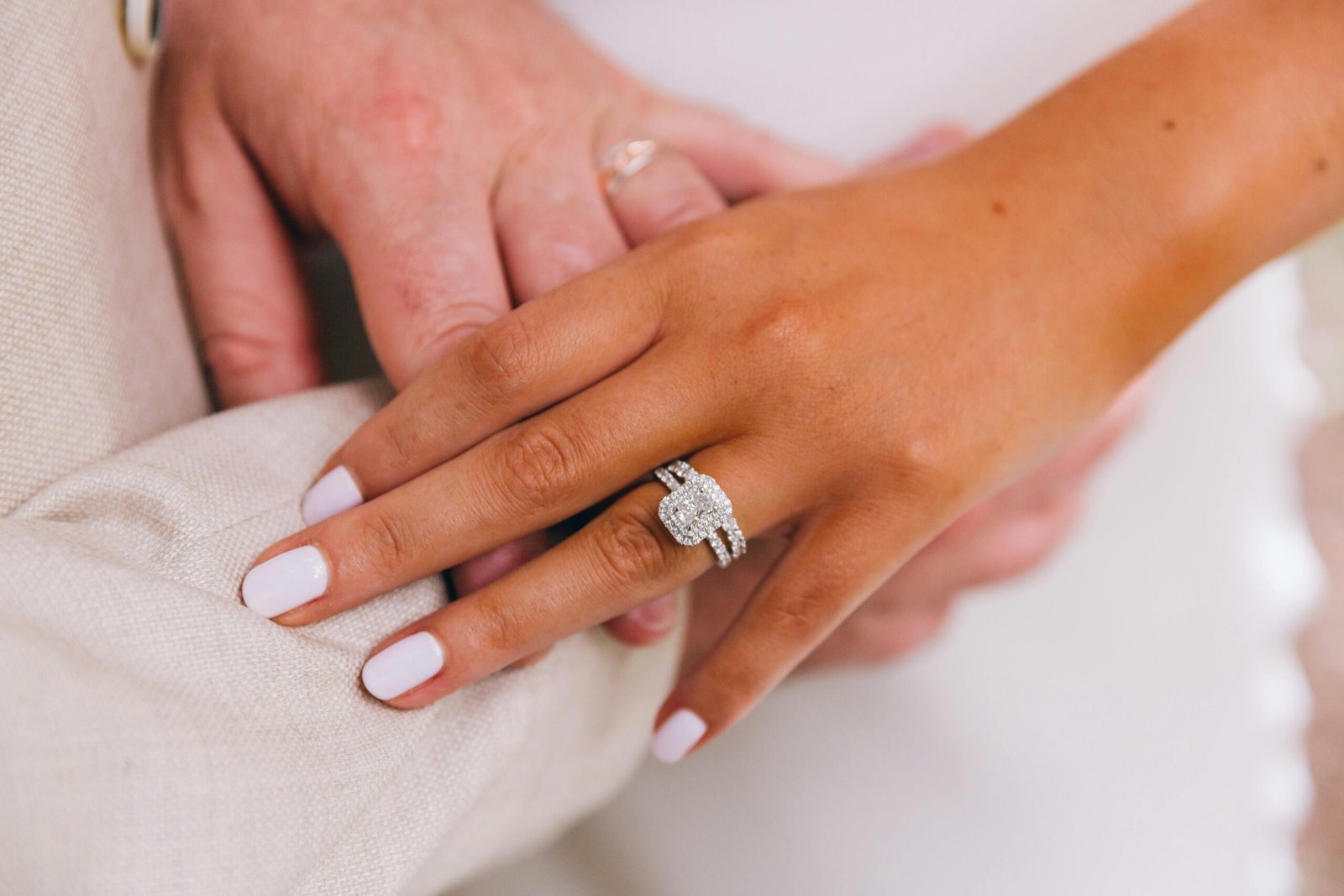
Want a diamond engagement ring that truly dazzles?
It’s not the size of the knife, or even the sharpness. It’s all about that one thing. The cut.
Cut quality is the difference between a dull, lifeless stone, and one that throws light in every direction. And this is the crazy part…
Most shoppers get it wrong because they focus on carat weight instead.
A large, poorly cut diamond will appear flat. A smaller, well cut diamond will dazzle. A critical decision, eh?
This guide will explain exactly what cut quality is, why it is more important than any other factor, and how to select a stone that will stay sparkly on your partner’s finger forever.
Ready? Time to dive in.
What’s Covered Inside:
- What Diamond Cut Really Means
- Why Cut Quality Matters Most
- The Cut Grade Scale Broken Down
- How Cut Creates That Sparkle
- Picking the Perfect Cut For Your Ring
What Diamond Cut Really Means
First things first…
Cut and shape are often interchanged by consumers, when they are in fact two entirely separate aspects of a diamond. It is important to understand the difference between the two prior to making a diamond engagement ring purchase.
- Shape is the outline of the stone (round, oval, pear, emerald, etc.)
- Cut is how the diamond’s facets are crafted to reflect light
Cut quality comes down to three big things:
- Proportions
- Symmetry
- Polish
These three things determine how much light enters the diamond and how much light returns as sparkle. Better cut. More brilliance. Simple as that.
That’s why it’s so important to buy from a trusted jeweller with GIA certified stones. A GIA report provides confirmation of cut grade, and it gives you true confidence in the diamond engagement ring you are buying.
Without that report? It’s basically guessing on quality.
Why Cut Quality Matters Most
Here’s something that might surprise you…
Of the 4 C’s (Cut, Colour, Clarity, Carat), cut has the biggest impact on how a diamond actually looks to the naked eye. Yet most people still shop by carat size first.
Consider this: You can see a well-cut diamond from across the room due to its brilliance. You will never see clarity or colour from that distance.
An excellent cut creates three visual effects:
- Brilliance: the bright white light reflecting back
- Fire: the rainbow flashes of colour
- Scintillation: the sparkle as the stone moves
Cut a stone poorly and light escapes from the sides and the bottom. Rather than reflecting back towards you, the light just disappears. The result is a dull, lifeless diamond — no matter how large.
That’s why it’s worth spending a little extra on cut quality. You’ll get more brilliance per dollar than moving up to a higher carat weight.
The Cut Grade Scale Broken Down
The GIA cut grade scale is the industry standard. Each quality diamond should include one.
Here’s how the scale works from best to worst:
- Excellent: Maximum brilliance, fire, and scintillation
- Very Good: Nearly identical sparkle to Excellent at a lower price
- Good: Decent light return but noticeable dullness from some angles
- Fair: Limited sparkle and visibly flat
- Poor: Little to no brilliance at all
NOTE: Keep in mind that the GIA only provides an official cut grade for round brilliant diamonds. For fancy shapes, you should review proportion data and symmetry ratings.
The round brilliant cut is the most popular and recognizable diamond shape. It’s also the shape of most diamonds sold today. There’s a good reason for that — it produces the most sparkle of any shape on the market.
If you’re looking for an engagement ring in diamonds, play it safe and stick to Excellent or Very Good. You won’t notice it to the naked eye, but you will on the price tag.
How Cut Creates That Sparkle
So how does a cut actually turn a rough rock into something this dazzling?
It’s all about the facets.
A round brilliant diamond has 57 or 58 facets. These are designed to produce the most brilliance and fire. The facets act like tiny mirrors. Each one reflects light back through the top of the stone.
Get the proportions right and the light bounces perfectly. Get them wrong and the light leaks out the sides.
The three main cut mistakes to watch for:
- Too shallow: light escapes out the bottom
- Too deep: light escapes out the sides
- Off symmetry: facets don’t align properly
If all three proportions are in perfect balance, the result is the classic “hearts and arrows” pattern of sparkle. That is the ideal to which any diamond engagement ring aspires.
It’s also the reason why two diamonds with the same carat weight look very different. Cut is king.
Picking the Perfect Cut For Your Ring
Shape and cut quality are both important. Shape is personal preference, but cut grade should never be sacrificed.
Round brilliants are still the leading 62% of diamonds in engagement rings, but other shapes are also becoming popular.
Quick reference of the most common shapes and how cut will effect each:
- Round Brilliant: Great fire. Hides small colour and clarity defects very well.
- Princess: Modern square look with tons of brilliance.
- Oval: Makes the fingers appear longer. Be careful of “bow-tie” effect from improper cuts.
- Emerald: Step cut with a “hall of mirrors” feel instead of sparkle.
- Cushion: Soft rounded corners with vintage vibes.
Regardless of shape choice, cut grade is always a consideration. When it comes to value, an attractive 0.9 carat Excellent cut will always out-value a 1.2 carat Fair cut, hands down.
Spend on cuts. Save on size.
Final Thoughts
Diamond cut is the most important criteria for selection of an engagement ring. A poor cut is a costly mistake and no matter how much it costs, a badly cut diamond will appear dull.
Keep things simple by following these rules:
- Focus on cut grade first (Excellent or Very Good)
- Always look for a GIA certificate
- Pick a shape that suits the wearer’s style
- Remember: sparkle beats size every single time
Get the cut right and the rest is easy. Your partner will be flashing that ring for years to come — and every time it sparkles they will remember why it was worth every penny.
