


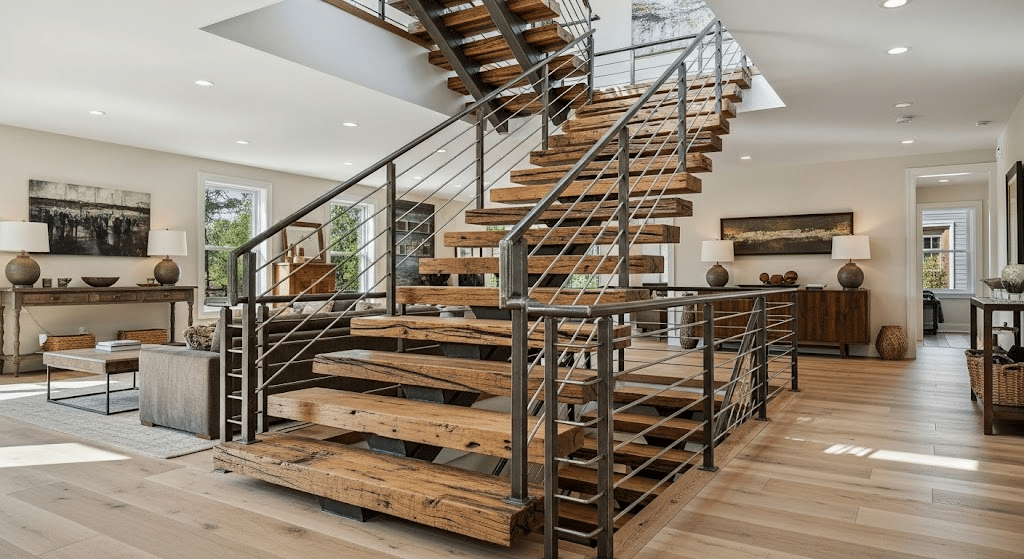
The staircase occupies a unique position in residential architecture, functioning as both a necessary connection between floors and a defining visual element that establishes the character of an entire home. While standard staircases fulfill basic transportation needs, they often represent missed opportunities to create spaces that genuinely enhance daily living and property value. The difference between a functional staircase and one that transforms a home lies in thoughtful design choices that address both practical requirements and aesthetic integration.
Custom staircase design has evolved beyond simple material upgrades to encompass comprehensive approaches that consider sight lines, traffic patterns, structural requirements, and long-term maintenance needs. Property owners increasingly recognize that staircases influence how spaces feel and function, affecting everything from natural light distribution to the perceived scale of interior environments. The challenge lies in understanding which design elements create lasting value rather than temporary visual appeal.
Floating Staircases Create Open Visual Connections
Floating staircases eliminate traditional risers and visible support structures, creating the impression that individual treads suspend independently in space. This design approach fundamentally changes how staircases interact with surrounding spaces by maintaining clear sight lines and allowing natural light to pass through rather than being blocked by solid construction. Beautiful custom stairs of this type require precise structural engineering to ensure that hidden support systems can handle both static loads and dynamic forces created by regular use.
The engineering behind floating designs typically involves steel stringers or cantilever systems that anchor into structural walls or specially reinforced framing. These support systems must account for the increased stress concentrations that occur when loads transfer through fewer connection points compared to traditional staircase construction. The result is a staircase that appears to defy gravity while meeting all applicable building codes and safety requirements.
Structural Integration Requirements
Floating staircases demand careful coordination between architectural design and structural systems during the planning phase. The hidden support framework must integrate with the home’s existing or planned structural elements, often requiring modifications to floor joists, wall framing, or foundation systems. This integration affects construction sequencing and requires specialized expertise to ensure that support systems remain concealed while providing adequate strength and stability.
The connection points between floating treads and their support systems become critical engineering details that influence both performance and longevity. These connections must resist vertical loads, prevent lateral movement, and minimize vibration while remaining invisible to occupants. The materials and methods used for these connections directly impact the staircase’s long-term reliability and maintenance requirements.
Impact on Interior Lighting and Space Perception
The open structure of floating staircases allows natural light to reach areas that traditional enclosed staircases would shadow, effectively expanding the usable space in adjacent rooms. This lighting enhancement creates opportunities for different furniture arrangements and room functions that would not work with conventional staircase designs. The visual transparency also makes smaller homes feel more spacious by eliminating the visual barrier that solid stair construction typically creates.
Space beneath floating staircases remains accessible for storage, furniture placement, or architectural features like built-in seating or display areas. This accessibility represents a significant functional advantage in homes where every square foot serves multiple purposes or where open floor plans benefit from uninterrupted sight lines.
Curved Staircases Establish Elegant Movement Patterns
Curved staircases introduce graceful movement through vertical spaces while creating opportunities for dramatic architectural statements that linear designs cannot achieve. The gentle arc of a curved design naturally guides foot traffic and creates more comfortable climbing experiences compared to sharp turns or straight runs with intermediate landings. These staircases work particularly well in homes where the staircase serves as a central organizing element that connects multiple levels and room functions.
The construction of curved staircases requires specialized techniques for creating consistent tread dimensions along the curved path while maintaining proper rise and run relationships throughout the entire span. This precision becomes essential for user safety and comfort, as irregular or awkward steps can create tripping hazards or uncomfortable climbing experiences that affect daily use patterns.
Geometric Planning and Tread Layout
Curved staircase design begins with careful geometric planning that ensures consistent tread widths and comfortable walking paths along the entire curve. The inner radius of the curve creates narrower treads, while the outer radius provides wider walking surfaces, requiring designers to balance these variations to create comfortable stepping patterns. Most users naturally follow a walking line approximately eighteen inches from the inside edge, and tread dimensions along this line determine the staircase’s overall usability.
The relationship between curve radius and available space influences both construction costs and user experience. Tighter curves require more complex construction techniques and may create less comfortable climbing experiences, while gentler curves demand more floor space but provide superior comfort and visual appeal. These trade-offs require careful consideration during the design phase to ensure that the finished staircase meets both practical and aesthetic goals.
Material Considerations for Curved Construction
Curved staircases often require materials that can bend or be shaped without compromising structural integrity or visual consistency. Solid wood treads may need to be steam-bent or constructed from multiple pieces, while metal frameworks can be formed to precise curves using specialized fabrication techniques. The choice of materials affects both the construction process and the long-term maintenance requirements of the finished staircase.
Handrail systems for curved staircases present particular challenges, as they must follow the staircase geometry while providing consistent grip surfaces and meeting safety code requirements. The handrail must transition smoothly through the curve while maintaining proper height relationships and structural connections that can resist the lateral forces applied during normal use.
Industrial Materials Create Contemporary Focal Points
Steel, concrete, and glass combinations bring industrial aesthetics into residential settings while providing exceptional durability and minimal maintenance requirements. These materials allow for bold geometric forms and clean lines that complement contemporary architectural styles, according to design principles established by the Bauhaus movement that emphasized functional beauty through honest material expression. The inherent strength of industrial materials enables dramatic spans and minimal visual bulk that would be impossible with traditional wood construction.
The thermal and acoustic properties of industrial materials differ significantly from traditional residential staircase materials, creating opportunities and challenges for interior comfort. Steel and concrete conduct temperature and sound more readily than wood, requiring careful consideration of how these characteristics will affect daily use and integration with heating, cooling, and acoustic control systems.
Steel Framework Systems
Steel provides exceptional strength-to-weight ratios that enable innovative structural approaches including long spans, minimal support columns, and complex geometric configurations. The material’s predictable engineering properties allow for precise calculations of load capacity and deflection, resulting in staircases that meet safety requirements while minimizing visual bulk. Steel frameworks can support various tread materials including wood, stone, or concrete, creating hybrid designs that balance industrial strength with residential comfort.
The connection methods used in steel staircase construction directly influence both structural performance and aesthetic outcomes. Welded connections create clean, continuous lines but require skilled fabrication and careful quality control. Bolted connections offer flexibility for field assembly and future modifications but create visible connection points that become part of the design vocabulary.
Concrete Integration and Finishing
Concrete staircases can be cast in place or precast off-site, with each approach offering distinct advantages for different project requirements. Cast-in-place construction allows for complex curves and integrated landing areas but requires skilled formwork and careful scheduling to coordinate with other construction activities. Precast elements provide consistent quality and faster installation but limit geometric complexity and require precise dimensional coordination.
Surface treatments for concrete staircases range from smooth troweled finishes to exposed aggregate textures that provide slip resistance and visual interest. These finishing choices affect both the immediate appearance and long-term maintenance requirements, as different textures accumulate dirt and wear at different rates. The selection of concrete admixtures and reinforcement systems also influences durability and resistance to cracking or surface damage.
Wood Species Selection Defines Character and Longevity
The choice of wood species for custom staircases affects appearance, durability, maintenance requirements, and long-term value in ways that extend far beyond initial cost considerations. Different species exhibit distinct grain patterns, color variations, and hardness characteristics that influence how staircases age and respond to daily use. Understanding these material properties enables informed decisions that align with both aesthetic preferences and practical requirements for specific installation environments.
Hardwood species commonly used for staircase construction include oak, maple, cherry, walnut, and mahogany, each offering different combinations of workability, stability, and appearance characteristics. The density and grain structure of different species affect their resistance to denting, scratching, and wear patterns that develop over years of regular use.
Grain Pattern and Visual Impact
Wood grain patterns create visual texture and movement that influence how staircases integrate with surrounding architectural elements. Species with prominent grain patterns like oak or ash create dramatic visual interest but may compete with other design elements, while species with subtle grain like maple or cherry provide more neutral backgrounds that allow other materials and finishes to take prominence. The orientation of grain patterns on treads and risers can be manipulated during construction to create specific visual effects.
The natural color variation within individual pieces and between different boards affects the overall appearance of completed staircases. Some species like walnut exhibit significant color variations that create natural highlights and shadows, while others like hard maple provide more consistent coloring that creates uniform surfaces. These characteristics influence both the selection process and the finishing techniques used to achieve desired final appearances.
Durability and Maintenance Considerations
The hardness rating of different wood species directly correlates with their resistance to denting and surface damage from regular foot traffic. Species like oak and maple provide excellent durability for high-traffic applications, while softer species may require more frequent maintenance or refinishing to maintain acceptable appearance. The natural oils and extractives in different species also affect their response to various finishing materials and maintenance products.
Dimensional stability varies significantly between species, affecting how staircases respond to seasonal changes in humidity and temperature. Species with good stability characteristics like cherry or mahogany minimize gaps, squeaks, and movement that can develop over time, while less stable species may require additional construction details to accommodate seasonal movement without compromising structural integrity or appearance.
Integrated Storage Solutions Maximize Functional Value
Custom staircase designs can incorporate storage solutions that utilize otherwise wasted space beneath and around stair structures while maintaining clean aesthetic lines. These integrated storage approaches range from simple closet spaces to complex built-in systems that include drawers, shelving, and specialized storage for specific items. The key to successful storage integration lies in planning these features during the initial design phase rather than attempting to add them after staircase construction.
Storage integration affects staircase structural design, as access panels, drawer slides, and shelving systems create additional loads and require specific framing and support details. The location and type of storage features also influence finishing details and maintenance access, requiring careful coordination between storage functionality and staircase construction methods.
Under-Stair Space Utilization
The triangular space beneath staircases offers significant storage volume that can be accessed through various methods including hinged panels, sliding doors, or pull-out drawer systems. The sloped ceiling created by the stair structure requires careful planning of storage configurations to maximize usable space while providing reasonable access to stored items. Fixed shelving systems work well for infrequently accessed items, while drawer systems provide better access to regularly used materials.
Ventilation and moisture control become important considerations for enclosed under-stair storage areas, particularly in basements or other locations where humidity levels may fluctuate. Proper ventilation prevents condensation problems that could damage stored items or create indoor air quality issues, while access to electrical systems allows for lighting that makes storage areas more functional.
Integrated Tread and Riser Storage
Individual stair treads and risers can incorporate hidden storage compartments that provide secure locations for valuable items while maintaining the staircase’s visual integrity. These features require precise construction details to ensure that storage compartments do not compromise structural strength or create safety hazards through unexpected movement or failure. The mechanisms used to access integrated storage must be durable enough to withstand repeated use while remaining concealed during normal staircase operation.
The size and configuration of integrated storage compartments are limited by the dimensions of individual stair components and the structural requirements for supporting expected loads. Careful planning ensures that storage features enhance rather than compromise the staircase’s primary function while providing genuine utility for homeowners.
Lighting Integration Enhances Safety and Ambiance
Integrated lighting systems transform staircases from purely functional elements into architectural features that provide both safety and aesthetic benefits during evening hours. Proper staircase lighting eliminates shadows and provides clear visibility of tread edges and handrail locations, reducing the risk of trips and falls that commonly occur on poorly lit stairs. Beyond safety considerations, lighting integration creates opportunities for dramatic architectural effects that highlight the staircase design and contribute to overall interior ambiance.
The placement and type of lighting fixtures affect both immediate functionality and long-term maintenance requirements. Fixtures located in high-traffic areas must withstand occasional contact, while those installed in structural elements may be difficult to access for lamp replacement or repairs. These practical considerations influence fixture selection and installation methods during the construction process.
LED Strip and Recessed Systems
LED strip lighting systems can be integrated into handrails, tread nosings, or structural elements to provide continuous illumination along the entire stair path. These systems offer energy efficiency and long service life while creating smooth, even lighting that eliminates the hot spots and shadows associated with point light sources. The low profile of LED strips allows integration into design details that would not accommodate traditional light fixtures.
Recessed lighting fixtures installed in walls, ceilings, or structural elements provide ambient illumination while maintaining clean architectural lines. The heat output and ventilation requirements of different fixture types influence installation details and may require coordination with insulation and vapor barrier systems in exterior walls or other locations where thermal performance matters.
Smart Control Integration
Smart lighting control systems allow staircase lighting to respond to occupancy, time of day, or integration with whole-house automation systems. Motion sensors can activate lighting automatically when stairs are in use, providing safety benefits while minimizing energy consumption during unoccupied periods. Dimming capabilities allow lighting levels to be adjusted for different activities or times of day, creating appropriate ambiance while maintaining adequate visibility for safe passage.
The wiring and control infrastructure for smart lighting systems requires planning during the construction phase to ensure that necessary communication cables and electrical capacity are available. Integration with home automation systems may require specific protocols or hardware compatibility that influences fixture and control system selection.
Glass and Metal Combinations Maximize Natural Light
Glass railings and balustrades combined with metal structural elements create transparent safety barriers that maintain open sight lines while meeting building code requirements for fall protection. These combinations work particularly well in homes where natural light is limited or where maintaining visual connections between different levels serves important functional or aesthetic purposes. The structural requirements for glass railings differ significantly from traditional wood or metal systems, requiring specialized connections and support systems.
The type and thickness of glass used for staircase applications affects both safety performance and visual characteristics. Tempered glass provides safety benefits by breaking into small, less dangerous pieces if damaged, while laminated glass maintains structural integrity even when cracked. These safety considerations influence both initial design decisions and long-term maintenance requirements.
Structural Glass Systems
Structural glazing systems allow glass panels to serve as both safety barriers and design elements without requiring traditional framing around individual glass pieces. These systems require precise installation and specialized hardware that can accommodate the thermal expansion and building movement without compromising glass integrity. The connections between glass panels and structural supports become critical details that affect both safety and appearance.
The thickness and type of glass used in structural applications must account for wind loads, seismic forces, and impact resistance requirements specified by applicable building codes. These requirements vary based on geographic location and specific installation conditions, requiring coordination with local building officials during the design and permit process.
Maintenance and Long-Term Performance
Glass railings require regular cleaning to maintain their transparency and visual appeal, particularly in homes with children or pets where fingerprints and other marks accumulate quickly. The accessibility of glass surfaces for cleaning influences both daily maintenance requirements and long-term satisfaction with glass railing systems. Cleaning methods and materials must be compatible with any special coatings or treatments applied to the glass during manufacturing.
The hardware used to support and connect glass panels requires periodic inspection and maintenance to ensure continued safety and performance. Gaskets, sealants, and mechanical fasteners may need replacement over time, requiring access to individual components without removing entire glass panels. The availability of replacement parts and specialized service providers affects long-term ownership costs and maintenance planning.
Conclusion
Custom staircase design represents a convergence of structural engineering, aesthetic vision, and practical functionality that can fundamentally transform residential spaces. The seven design approaches explored demonstrate how thoughtful material selection, innovative construction techniques, and integrated systems create staircases that serve as architectural focal points while meeting demanding performance requirements. Success in custom staircase projects depends on understanding the relationships between design decisions and their long-term implications for maintenance, safety, and user satisfaction.
The investment in custom staircase design extends beyond initial construction costs to encompass enhanced property values, improved daily living experiences, and reduced long-term maintenance requirements when quality materials and construction methods are employed. Property owners considering custom staircase projects benefit from early engagement with experienced designers and craftspeople who understand both the creative possibilities and technical requirements that determine project success. The integration of structural systems, safety features, and aesthetic elements requires coordination and expertise that cannot be achieved through standard construction approaches or after-the-fact modifications.
