


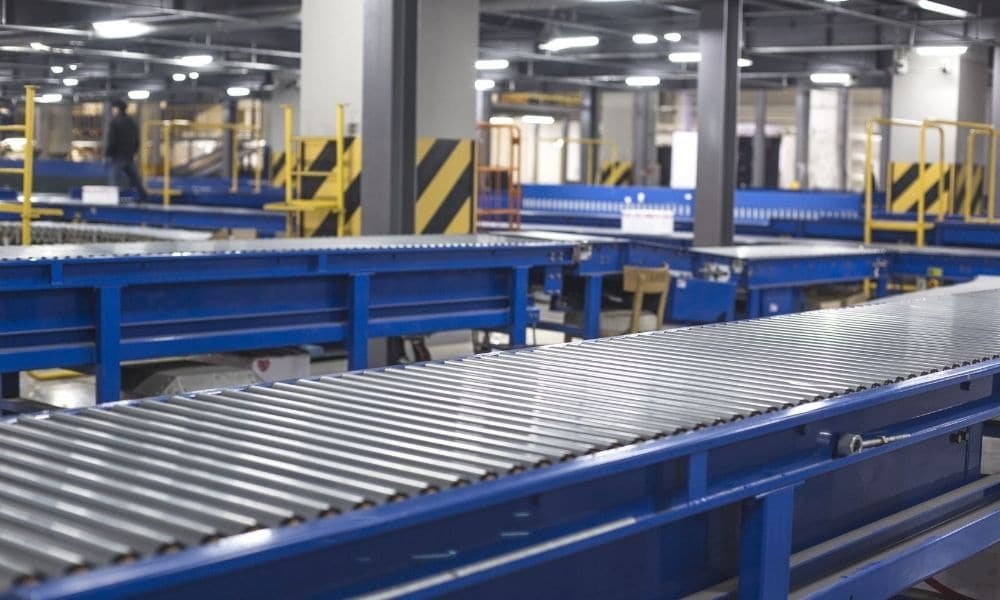
Manufacturing operations across heavy industry sectors face mounting pressure to increase throughput while maintaining precise quality standards. Traditional conveyor systems, designed for general applications, often create bottlenecks that limit production capacity and introduce inconsistencies in material handling. When standardized solutions cannot meet the specific demands of complex manufacturing processes, companies turn to specialized conveyor engineering to overcome these operational constraints.
The shift toward customized material handling systems reflects broader changes in manufacturing requirements. Production lines now handle more diverse product mixes, operate under tighter quality specifications, and must maintain consistent performance across extended operating cycles. These demands have pushed several major manufacturers to redesign their conveyor infrastructure entirely, moving beyond conventional approaches to implement systems tailored to their unique operational requirements.
Automotive Assembly Line Transformation Through Specialized Conveyor Engineering
The automotive industry represents one of the most demanding environments for material handling systems. Assembly processes require precise timing, consistent product positioning, and the ability to handle components of varying weights and dimensions throughout the production cycle. Custom high performance conveyors have become essential infrastructure for automotive manufacturers seeking to optimize their assembly operations while maintaining the reliability required for continuous production schedules.
Ford Motor Company undertook a comprehensive redesign of their truck assembly operations at the Dearborn facility, replacing standard belt systems with precision-engineered conveyor solutions designed specifically for heavy-duty vehicle assembly. The implementation addressed critical issues with component positioning during the chassis assembly process, where standard conveyors could not maintain the precise alignment required for automated welding operations.
Addressing Weight Distribution Challenges
The custom system incorporated variable-speed zones synchronized with assembly station requirements, eliminating the stop-start motion that had previously caused quality issues with heavy components. This approach reduced stress on drive mechanisms while providing the consistent material flow necessary for maintaining production schedules. The specialized design also accommodated the varying weights of different truck configurations without requiring manual adjustments to conveyor parameters.
Integration With Automated Systems
Beyond basic material transport, the conveyor system integrated directly with robotic assembly stations, providing precise positioning data that enabled automated systems to perform complex assembly operations with consistent accuracy. This integration eliminated the positioning errors that had previously required manual correction, reducing both cycle times and quality variations across the production run.
Steel Industry Applications in Heavy Material Processing
Steel production environments present unique challenges for conveyor systems, including exposure to extreme temperatures, corrosive atmospheres, and the need to transport materials with significant weight variations. Traditional conveyor designs often fail under these conditions, leading to frequent maintenance requirements and unexpected production interruptions.
ArcelorMittal redesigned their hot-rolled steel transport system at their Indiana facility, implementing specialized conveyor technology capable of handling steel coils weighing up to fifteen tons while maintaining precise positioning throughout the cooling and packaging process. The previous system had experienced frequent belt failures and alignment issues that created costly production delays.
Temperature and Corrosion Resistance
The specialized conveyor design incorporated materials and construction methods specifically selected for high-temperature environments and exposure to industrial chemicals. This approach eliminated the frequent component replacements that had previously disrupted production schedules, while maintaining consistent performance across varying ambient conditions within the facility.
Load Management and Safety Integration
The system included advanced load distribution mechanisms that prevented stress concentration on individual conveyor components, extending operational life while reducing maintenance requirements. Safety systems integrated throughout the conveyor provided automatic shutdown capabilities when load limits or positioning parameters fell outside acceptable ranges, protecting both equipment and personnel from potential hazards associated with heavy steel handling.
Food Processing Industry Sanitation and Efficiency Requirements
Food manufacturing operations must balance production efficiency with strict sanitation requirements, creating unique demands for conveyor systems. Standard industrial conveyors often include design elements that complicate cleaning procedures or create areas where contamination can occur, making them unsuitable for food processing applications.
Tyson Foods implemented specialized conveyor systems across multiple poultry processing facilities, addressing both sanitation requirements and the need for precise timing in automated processing operations. The previous conveyor infrastructure had created cleaning challenges that extended downtime between production runs while failing to provide the consistent product flow required for automated cutting and packaging systems.
Sanitary Design Principles
The custom system incorporated seamless construction and materials specifically selected for compatibility with industrial cleaning chemicals and high-temperature sanitization procedures. According to the FDA’s HACCP guidelines, equipment design plays a critical role in preventing contamination, and the specialized conveyor design eliminated crevices and joints where bacteria could potentially accumulate during production operations.
Process Integration and Timing Control
Beyond sanitation requirements, the conveyor system provided precise timing control that synchronized product flow with automated processing stations. This integration eliminated the product backups that had previously created quality issues while ensuring consistent processing parameters across the entire production cycle.
Chemical Industry Applications for Hazardous Material Handling
Chemical manufacturing environments require conveyor systems capable of safely transporting potentially hazardous materials while maintaining containment and preventing cross-contamination between different chemical products. Standard conveyor designs often lack the specialized features necessary for safe chemical handling operations.
BASF redesigned their specialty chemical packaging operations, implementing conveyor systems specifically engineered for handling containers with various chemical products while preventing cross-contamination and maintaining strict safety protocols. The previous system had created safety concerns related to spill containment and vapor management during transport operations.
Containment and Safety Systems
The specialized conveyor incorporated containment features that prevented spills from spreading throughout the facility while providing automatic isolation capabilities when sensors detected potential hazardous conditions. These safety systems reduced both environmental risks and the potential for production interruptions caused by contamination incidents.
Material Compatibility and Maintenance Access
Construction materials and sealing systems were selected specifically for compatibility with the range of chemicals handled in the facility, preventing degradation that could create safety hazards or require frequent component replacement. The design also provided improved access for maintenance operations, reducing the time required for cleaning and inspection procedures while maintaining safety protocols.
Electronics Manufacturing Precision and Static Control
Electronics manufacturing requires conveyor systems capable of transporting sensitive components without introducing contamination, static discharge, or mechanical stress that could damage delicate products. Standard industrial conveyors often generate static electricity and vibration that can harm electronic components during transport.
Samsung implemented specialized conveyor technology in their semiconductor fabrication facilities, addressing the unique requirements for transporting silicon wafers and other sensitive components through various processing stages. The previous conveyor system had created quality issues related to static discharge and vibration-induced damage to semiconductor components.
Static Control and Environmental Management
The custom system incorporated static dissipation technology and vibration isolation mechanisms that prevented damage to sensitive electronic components during transport. Environmental controls integrated throughout the conveyor system maintained the precise atmospheric conditions required for semiconductor processing while preventing contamination from external sources.
Precision Positioning and Process Integration
Beyond basic transport functions, the conveyor system provided precision positioning capabilities that enabled automated handling systems to process components with the accuracy required for semiconductor manufacturing. This precision eliminated the manual handling steps that had previously introduced contamination risks and quality variations.
Pharmaceutical Industry Compliance and Traceability
Pharmaceutical manufacturing operations must comply with strict regulatory requirements while maintaining complete traceability throughout the production process. Conveyor systems in pharmaceutical environments must support these compliance requirements while providing the reliability necessary for continuous production operations.
Pfizer redesigned their tablet packaging operations, implementing conveyor systems specifically designed to support regulatory compliance requirements while maintaining the precise timing necessary for automated packaging and quality control operations. The previous system had created challenges with batch tracking and validation procedures required for pharmaceutical manufacturing.
Compliance Integration and Documentation
The specialized conveyor system incorporated tracking capabilities that provided complete documentation of product movement throughout the packaging process, supporting the validation procedures required for pharmaceutical operations. These tracking systems eliminated manual documentation steps while ensuring compliance with regulatory requirements for batch control and product traceability.
Quality Control and Process Validation
Integration with quality control systems enabled automated inspection and validation procedures without interrupting product flow, maintaining production efficiency while ensuring all products met specification requirements. The system design supported the cleaning validation procedures required for pharmaceutical operations, reducing changeover times between different product runs.
Mining Industry Heavy-Duty Applications
Mining operations require conveyor systems capable of transporting large volumes of raw materials under harsh environmental conditions while maintaining consistent performance across extended operating periods. Standard conveyor designs often fail to provide the durability and capacity required for mining applications.
Rio Tinto implemented specialized conveyor systems at their iron ore processing facilities, addressing the unique challenges of transporting large volumes of abrasive materials while maintaining consistent throughput rates. The previous conveyor infrastructure had experienced frequent component failures that created costly production interruptions and increased maintenance requirements.
Durability and Environmental Resistance
The custom system incorporated heavy-duty construction and specialized materials selected for resistance to abrasive materials and harsh environmental conditions typical of mining operations. This approach eliminated the frequent component replacements that had previously disrupted production schedules while reducing overall maintenance costs.
Capacity Management and System Integration
Beyond basic material transport, the conveyor system provided capacity management capabilities that optimized material flow throughout the processing facility. Integration with processing equipment enabled automated adjustments to conveyor speed and routing based on downstream capacity, preventing bottlenecks while maximizing overall facility throughput.
Conclusion
The transformation of production lines through specialized conveyor systems demonstrates the significant operational improvements possible when material handling infrastructure is designed to address specific manufacturing requirements. These implementations across diverse industries highlight the importance of moving beyond standardized solutions to address the unique challenges present in modern manufacturing environments.
The success of these projects stems from careful analysis of operational requirements and the integration of conveyor systems with broader manufacturing processes. Rather than simply replacing existing equipment, these manufacturers redesigned their material handling approaches to eliminate bottlenecks, improve quality consistency, and reduce maintenance requirements.
For manufacturing operations experiencing limitations with existing conveyor systems, these examples provide insight into the potential benefits of custom-engineered solutions. The key lies in understanding how material handling requirements connect to broader operational objectives and designing systems that support both immediate production needs and long-term operational reliability.
