


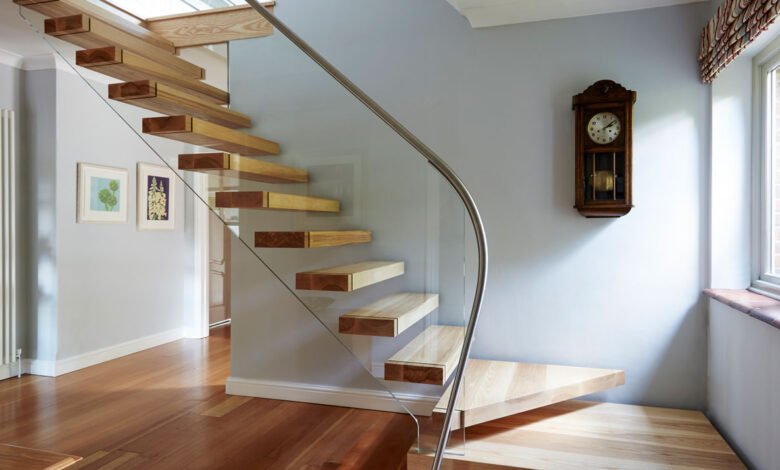
Floating staircases represent one of the most challenging architectural elements to execute properly in residential construction. These seemingly simple structures demand precise engineering, expert installation, and careful material selection to function safely over decades of use. When homeowners underestimate the complexity involved, the financial consequences can be severe.
In Atlanta’s competitive real estate market, floating staircases have become increasingly popular as homeowners seek to create dramatic focal points in their renovations. However, the structural requirements and building code compliance necessary for these installations often exceed what typical contractors can deliver. Poor planning or inadequate execution frequently results in costly remediation work, safety violations, and complete reinstallation.
The following design mistakes represent the most expensive errors that occur during floating staircase projects. Understanding these issues before construction begins can prevent significant financial losses and ensure long-term structural integrity.
Inadequate Structural Analysis During Initial Planning
Floating staircases require comprehensive structural engineering to determine load-bearing requirements and attachment methods. Many projects fail because homeowners assume their existing wall framing can support the concentrated loads that floating stairs generate. Unlike traditional staircases that distribute weight across multiple support points, floating designs create significant cantilever forces that existing structures rarely accommodate without reinforcement.
Professional floating stairs atlanta installations require detailed structural calculations to determine the precise reinforcement needed in wall framing, foundation connections, and attachment hardware. These calculations must account for both static loads from the stair structure itself and dynamic loads from regular use, including multiple people moving simultaneously.
When structural analysis is skipped or performed inadequately, the consequences extend beyond immediate safety concerns. Building inspectors will require complete structural documentation before approving the installation, and any deficiencies discovered during inspection typically require expensive modifications to framing, foundations, or attachment systems.
Foundation and Framing Modifications
Most floating staircase installations require modifications to existing structural elements that were not designed to handle concentrated cantilever loads. Wall framing behind attachment points often needs reinforcement with steel beams or additional lumber members. Foundation connections may require new anchor systems or structural tie-ins that were not included in the original home construction.
These modifications become exponentially more expensive when discovered after construction begins. Structural engineers must evaluate existing conditions, design appropriate reinforcement systems, and ensure all modifications comply with local building codes. The cost of retrofitting structural support can easily exceed the original staircase budget.
Load Distribution Requirements
The physics of floating staircases create unique load distribution patterns that differ significantly from conventional stair designs. Each tread acts as an individual cantilever, transferring loads back to the primary support structure through the stair spine or wall mounting system. This load path requires careful analysis to ensure adequate strength throughout the entire structural chain.
Building codes specify minimum live load requirements for residential stairs, but floating designs often require additional safety factors due to their cantilever nature. Professional structural analysis ensures these requirements are met while identifying potential failure points that could compromise safety or require expensive repairs.
Improper Material Selection for Load-Bearing Components
Material choices directly impact both the structural performance and long-term durability of floating staircases. Steel, engineered lumber, and specialized fastening hardware must meet specific strength requirements while maintaining the aesthetic goals of the design. Selecting materials based primarily on appearance or cost considerations often leads to premature failures and expensive replacements.
The primary structural spine of a floating staircase experiences complex stress patterns including bending, torsion, and compression forces. Standard construction lumber lacks the strength properties necessary for these applications, while steel components require precise fabrication and proper corrosion protection to maintain structural integrity over time.
Steel Fabrication and Treatment Requirements
Steel components in floating staircases must be fabricated to precise tolerances and treated for long-term durability. Custom steel work requires experienced fabricators who understand the load requirements and connection details specific to floating stair applications. Poor fabrication quality or inadequate surface treatment leads to premature corrosion, joint failures, and structural degradation.
The connection between steel structural elements and wood treads creates additional complexity. These mixed-material joints experience different thermal expansion rates and moisture responses, requiring specialized fasteners and installation techniques to prevent loosening or failure over time.
Fastener and Hardware Specifications
The fasteners and hardware connecting floating staircases to structural supports represent critical failure points that require careful specification. Standard construction fasteners lack the strength and durability necessary for these high-stress applications. Specialized structural screws, bolts, and brackets designed for cantilever applications are essential for safe, long-term performance.
Hardware specifications must account for both immediate load requirements and long-term fatigue resistance. Repeated loading from daily use creates stress cycles that can cause fastener failure if inadequate hardware is used. Professional installations specify hardware based on engineering calculations rather than standard construction practices.
Building Code Compliance Failures
Building codes establish minimum safety requirements for residential staircases, but floating designs present unique compliance challenges that standard contractors often overlook. Riser height consistency, tread depth uniformity, and handrail requirements become more complex when applied to floating staircase geometries. Code violations discovered during inspection require expensive modifications that could have been prevented through proper planning.
Atlanta’s building codes reference the International Residential Code with local amendments that specifically address structural requirements for residential stairs. These requirements include maximum deflection limits, minimum tread dimensions, and specific attachment methods that floating staircases must satisfy. According to the International Code Council, staircase code violations represent one of the most common reasons for failed residential inspections.
Deflection and Movement Standards
Building codes specify maximum allowable deflection for stair treads under load conditions. Floating staircases, due to their cantilever design, are particularly susceptible to excessive deflection if not properly engineered. Users notice and feel uncomfortable with deflection that exceeds code limits, even when the structure remains safe from a pure strength standpoint.
Deflection control requires careful attention to material selection, span lengths, and support methods. Steel structures offer superior deflection control compared to wood alternatives, but require more complex connections and higher fabrication costs. The engineering analysis must balance deflection control with other design goals to achieve code compliance without excessive expense.
Handrail and Guard Requirements
Handrail systems for floating staircases must satisfy the same safety requirements as conventional stairs while accommodating the unique mounting challenges that floating designs present. Guard height requirements, spacing between balusters, and handrail grip characteristics are strictly regulated by building codes and subject to inspection approval.
The connection between handrail systems and floating stair structures creates additional engineering challenges. Handrails must resist specific horizontal loads without compromising the primary structural system of the stairs. These requirements often necessitate additional reinforcement or specialized connection details that increase project complexity and cost.
Installation Sequencing and Coordination Problems
Floating staircase installation requires precise coordination with other construction trades and careful attention to installation sequencing. The structural support systems must be completely installed and inspected before stair components can be properly positioned and secured. Poor coordination between trades often results in conflicts that require expensive remediation or complete reinstallation.
The installation process typically requires specialized equipment and techniques that differ significantly from conventional staircase work. Heavy steel components must be positioned with precision while maintaining proper alignment and level conditions. Installation crews need specific experience with floating stair systems to avoid costly mistakes during the construction process.
Trade Coordination Requirements
Electrical, plumbing, and HVAC systems often conflict with floating staircase structural requirements. These systems must be planned and installed around the staircase support structure, requiring early coordination between all trades involved. Changes discovered during construction typically require expensive modifications to completed work.
Drywall and finish work around floating staircases requires specialized techniques to accommodate structural connections and maintain clean aesthetic lines. Standard drywall installation methods cannot accommodate the structural hardware and connection details that floating stairs require, necessitating custom finishing approaches that increase labor costs.
Equipment and Access Considerations
Installing floating staircases often requires specialized lifting equipment and expanded access routes for large structural components. Standard residential construction access may be inadequate for the steel beams, prefabricated assemblies, or heavy treads that floating staircases require. These logistical challenges add cost and complexity to the installation process.
Existing finishes and completed construction work may require protection or temporary removal to accommodate floating staircase installation. The cost of protecting surrounding areas and potential damage to existing work must be factored into project planning to avoid unexpected expenses during construction.
Long-Term Maintenance and Durability Oversights
Floating staircases require ongoing maintenance to preserve both structural integrity and appearance over their service life. The connection points, structural hardware, and finish materials all have specific maintenance requirements that homeowners must understand before installation. Neglecting these maintenance needs leads to premature failures and expensive repair work.
The materials and finishes used in floating staircase construction respond differently to environmental conditions than conventional stair systems. Temperature changes, humidity fluctuations, and normal settling of the home structure can affect floating stairs more significantly due to their cantilever design and mixed-material construction.
Connection Point Monitoring
The structural connections that support floating staircases require periodic inspection to ensure continued safety and performance. These connections experience high stress concentrations and can develop problems over time due to normal building movement, thermal cycling, or gradual loosening of fasteners.
Professional inspection of connection points should occur annually during the first few years after installation, then every few years thereafter. Early detection of connection problems allows for preventive maintenance that costs significantly less than emergency repairs or complete reinstallation.
Material-Specific Durability Factors
Steel structural components require ongoing corrosion protection, especially in humid environments or where moisture exposure occurs. Wood treads and other finish materials need appropriate sealing and refinishing to maintain their appearance and structural contribution to the overall system.
The mixed-material construction typical in floating staircases creates unique maintenance challenges as different materials age and respond to environmental conditions at different rates. Understanding these factors during the design phase allows for material selections and details that minimize long-term maintenance requirements.
Budget Planning and Cost Estimation Errors
Floating staircase projects consistently exceed initial budget estimates due to the complexity of structural requirements, specialized materials, and skilled labor necessary for proper installation. Homeowners often base budget expectations on conventional staircase costs without accounting for the additional engineering, structural modifications, and specialized fabrication that floating designs require.
The true cost of floating staircase installation includes structural engineering fees, building permits, structural modifications to the home, custom fabrication of components, specialized installation labor, and ongoing maintenance requirements. Each of these cost categories typically exceeds what homeowners initially anticipate, leading to budget overruns that can reach tens of thousands of dollars.
Hidden Structural Costs
Structural modifications required to support floating staircases often represent the largest unexpected cost category in these projects. Existing homes rarely have adequate structural support for floating stair loads, requiring reinforcement work that was not apparent during initial planning stages.
Foundation work, steel beam installation, and structural framing modifications require specialized contractors and materials that command premium pricing. These costs multiply when structural deficiencies are discovered during construction rather than identified during the planning phase.
Specialized Labor Requirements
Installing floating staircases requires specialized skills that command higher labor rates than conventional staircase work. The precision required for structural connections, alignment of components, and integration with building systems demands experienced professionals who understand the unique challenges these installations present.
Quality control throughout the installation process requires additional time and attention compared to standard construction work. The consequences of installation errors are severe enough that experienced contractors typically include additional safety factors in their pricing to account for the specialized nature of the work.
Professional Design and Engineering Shortcuts
Many expensive failures in floating staircase projects result from attempts to reduce professional design and engineering costs. Homeowners or contractors may try to adapt standard details or copy designs from other projects without proper engineering analysis for specific site conditions. These shortcuts inevitably lead to more expensive problems during construction or after installation.
Professional structural engineering for floating staircases provides value far beyond the initial design fee through code compliance assurance, construction problem prevention, and long-term performance optimization. The cost of proper professional services represents a small fraction of the potential expenses that result from inadequate design or engineering.
Site-Specific Engineering Requirements
Each floating staircase installation presents unique structural challenges based on the specific building conditions, desired design, and local code requirements. Generic details or copied designs cannot account for these site-specific factors, leading to installation problems and code compliance issues that require expensive corrections.
Professional engineers evaluate existing structural conditions, design appropriate support systems, and provide construction documents that ensure code compliance and long-term performance. This analysis must be performed for each individual project to achieve successful results.
Value of Professional Oversight
Professional involvement throughout the construction process helps identify and resolve problems before they become expensive failures. Engineering oversight during construction ensures that installation work matches design requirements and maintains structural integrity throughout the building process.
The complexity of floating staircase systems makes professional oversight particularly valuable for quality control and problem resolution. Experienced professionals can identify potential issues early and recommend corrective actions that prevent more expensive problems later in the construction process.
Conclusion
Floating staircase installations represent significant investments that require careful planning, professional design, and skilled execution to achieve successful outcomes. The mistakes outlined above consistently result in expensive failures that could be prevented through proper preparation and professional involvement from the project’s beginning.
Understanding these common failure modes allows homeowners to make informed decisions about floating staircase projects and budget appropriately for the true costs involved. Professional structural engineering, quality materials, experienced installation contractors, and realistic budget planning represent essential investments that protect against expensive failures and ensure long-term satisfaction with these dramatic architectural elements.
The appeal of floating staircases continues to drive demand in Atlanta’s residential market, but success requires respecting the complexity and technical requirements these installations demand. Proper planning and professional execution may require larger initial investments, but prevent the far more expensive consequences of inadequate design and installation work.
