


Equipment failures in industrial operations often trace back to seemingly minor component selection decisions made months or years earlier. Right angle gearboxes represent one of those critical junction points where early missteps compound into costly operational disruptions. When specification requirements call for a 1:1 ratio configuration, the selection process becomes deceptively complex despite the apparent simplicity of maintaining input and output speeds.
Manufacturing engineers and system designers face mounting pressure to minimize downtime while controlling procurement costs. The temptation to treat gearbox selection as a commodity decision overlooks the mechanical realities that separate reliable long-term operation from premature component failure. Understanding where selection processes commonly break down provides a foundation for more robust equipment choices that support consistent production schedules.
Assuming All 1:1 Configurations Deliver Identical Performance
The fundamental misconception that drives many selection errors stems from viewing right angle gearbox 1 1 ratio systems as interchangeable components. While the speed relationship remains constant across different designs, the mechanical approaches used to achieve this ratio vary significantly in their operational characteristics and reliability profiles.
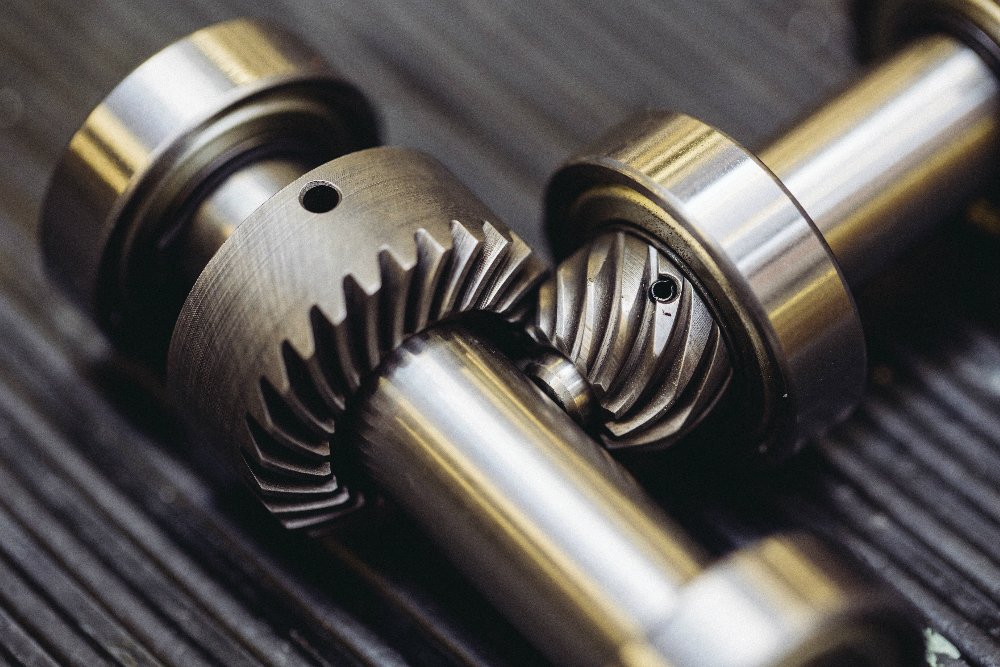
Bevel gear arrangements represent the most direct path to 1:1 operation, using matched gear sets that intersect at right angles. These configurations typically offer the highest efficiency and most predictable load distribution. However, manufacturing precision requirements increase substantially compared to reduction gearboxes, as any deviation from perfect gear matching creates vibration patterns that accelerate wear.
Worm gear systems can achieve 1:1 ratios through specific thread pitch configurations, but this approach introduces sliding friction that generates heat and requires more frequent lubrication attention. The self-locking characteristics that make worm gears valuable in some applications become neutral factors in 1:1 configurations, while the efficiency penalties remain.
Load Distribution Patterns Vary by Design Approach
Different mechanical approaches to achieving 1:1 ratios create distinct load distribution patterns that affect bearing life and housing stress concentrations. Spiral bevel designs distribute loads more evenly across gear tooth contact surfaces, reducing peak stress concentrations that initiate fatigue failures. Straight bevel configurations concentrate loads at specific contact points, creating predictable wear patterns but potentially shorter service intervals.
The choice between these approaches depends heavily on duty cycle characteristics and load consistency. Intermittent operation with varying load conditions favors designs that handle peak stress concentrations well, while continuous operation benefits from configurations that minimize heat generation and distribute wear evenly across all contact surfaces.
Efficiency Differences Impact System Energy Consumption
Even small efficiency variations compound over time in continuous operation scenarios. A three percent efficiency difference between two 1:1 gearbox designs translates directly to energy costs and heat generation within the system. More importantly, lower efficiency typically correlates with higher internal friction levels that accelerate lubricant degradation and reduce maintenance intervals.
Heat generation patterns also differ between design approaches. Configurations that generate heat in concentrated areas require more attention to cooling airflow and ambient temperature conditions. Systems that distribute heat generation more evenly across the gearbox housing often prove more forgiving in challenging environmental conditions.
Overlooking Mounting Configuration Requirements
The geometric constraints of right angle gearbox installation often receive insufficient attention during initial selection processes. Unlike inline configurations where mounting orientation remains relatively straightforward, right angle units must accommodate input and output shafts that extend in perpendicular directions while maintaining proper load support across all mounting points.
Foot-mounted configurations provide the most stable foundation for high-torque applications but require adequate floor space and structural support capable of handling reaction forces. These mounting approaches work well when gearbox location can be optimized during system design phases, but prove problematic in retrofit situations where space constraints limit placement options.
Flange-mounted configurations conserve floor space and enable more flexible positioning but transfer all operational loads directly to the mounting structure. The mounting interface must handle not only the weight of the gearbox but also the torque reactions and any misalignment forces that develop over time. Inadequate mounting structure stiffness creates vibration problems that accelerate bearing wear and generate noise issues.
Shaft Extension Requirements Affect Coupling Selection
Input and output shaft extensions in right angle configurations must accommodate coupling requirements while maintaining proper alignment tolerances. Longer shaft extensions provide more flexibility for coupling selection but reduce shaft stiffness and create potential vibration resonance points. Shorter extensions limit coupling options but improve overall system rigidity.
The relationship between shaft extension length and critical speed calculations becomes particularly important in higher-speed 1:1 applications. Operating speeds that approach shaft critical frequencies create vibration amplification that damages bearings and generates excessive noise levels. Proper shaft sizing requires consideration of both torque transmission requirements and dynamic response characteristics.
Underestimating Lubrication System Complexity
Lubrication requirements for right angle gearboxes differ substantially from inline configurations due to the orientation of internal components and the challenge of maintaining proper oil distribution across all gear mesh points. The intersection of input and output shaft axes creates regions where oil circulation patterns become complex and conventional splash lubrication methods may prove inadequate.
Oil level management becomes critical in right angle configurations where changing the orientation of the gearbox affects how lubricant reaches different internal components. Components located at the intersection of the two shaft axes may experience oil starvation during certain operating conditions, while other areas receive excessive lubrication that contributes to churning losses and heat generation.
Many 1:1 applications operate at speeds where boundary lubrication conditions exist at gear mesh interfaces. These conditions require lubricants with specific additive packages that provide adequate film strength under high contact pressures. Standard industrial gear oils may not contain the extreme pressure additives necessary for reliable operation in these demanding applications.
Temperature Control Affects Lubricant Performance
The compact nature of right angle gearbox designs often limits heat dissipation capacity compared to larger reduction gearboxes with more extensive housing surface areas. Operating temperatures that exceed lubricant thermal limits accelerate oil degradation and reduce the effectiveness of critical additives that protect gear tooth surfaces.
Cooling system requirements must account for both ambient temperature conditions and the heat generated by internal friction losses. Applications in high ambient temperature environments may require auxiliary cooling systems or lubricants specifically formulated for elevated temperature operation. The Department of Energy has documented how temperature management directly impacts equipment reliability in industrial applications.
Ignoring Service Access Requirements
Maintenance accessibility often receives minimal consideration during gearbox selection, despite its direct impact on long-term operational costs and equipment reliability. Right angle configurations present unique challenges for routine service tasks due to their orientation and the positioning of service points relative to other system components.
Oil level inspection and lubricant changes require access to specific points on the gearbox housing that may become obstructed once the unit is installed within a complete system. Drain plugs, fill ports, and sight glasses must remain accessible for routine maintenance activities without requiring extensive disassembly of surrounding equipment.
Bearing replacement and gear inspection procedures typically require removal of either input or output shaft components. The space requirements for these service operations often exceed the footprint of the gearbox itself, particularly when shaft-mounted components must be extracted using pulling equipment or hydraulic tools.
Predictive Maintenance Capabilities Vary by Design
Vibration monitoring and oil analysis programs provide early warning of developing problems in gearbox applications, but the effectiveness of these techniques depends on access to appropriate monitoring points and the ability to establish baseline measurements during initial commissioning.
Gearbox designs that incorporate dedicated vibration monitoring ports and easily accessible oil sampling points support more effective condition monitoring programs. Units that require partial disassembly for oil sampling or vibration measurement discourage routine monitoring and increase the likelihood that developing problems will progress to failure before detection.
Misunderstanding Load Calculation Requirements
Load calculations for 1:1 gearbox applications require consideration of factors that differ from typical reduction gearbox scenarios. The absence of speed reduction means that input and output torque values remain essentially equal, but this relationship can mask the importance of other loading factors that affect component life and reliability.
Radial loads from belt drives, chain drives, or direct-coupled equipment create bending moments on input and output shafts that must be supported by internal bearings. These loads often exceed the torque-related loads in terms of their impact on bearing life calculations. Proper load analysis requires detailed information about drive system configuration and the magnitude of radial forces transmitted through shaft connections.
Dynamic load factors account for the impact of varying operational conditions on internal component stress levels. Applications with frequent starts and stops subject gearbox components to cyclic loading that differs substantially from steady-state operation. Similarly, applications with varying load conditions require consideration of peak loading scenarios that may occur infrequently but determine component sizing requirements.
Thermal Loading Affects Component Expansion
Temperature variations during operation create thermal expansion patterns that affect internal clearances and bearing preload conditions. Right angle gearbox designs must accommodate differential expansion between housing materials and internal components while maintaining proper gear mesh relationships and bearing support.
Applications subject to significant temperature swings require careful consideration of thermal expansion effects on shaft alignment and gear tooth contact patterns. Excessive thermal growth can create binding conditions or alter load distribution patterns in ways that accelerate component wear.
Selecting Inappropriate Speed Ratings
Speed rating selection for 1:1 gearbox applications involves more than simply matching input and output speed requirements. The mechanical design factors that enable reliable high-speed operation differ significantly from those required for high-torque, low-speed applications, and these differences affect both component selection and long-term maintenance requirements.
High-speed 1:1 applications require careful attention to gear tooth geometry and bearing selection to minimize noise generation and vibration levels. The precision requirements for gear manufacturing increase substantially as operating speeds approach the limits where gear tooth impact forces become significant contributors to overall system vibration.
Bearing selection becomes critical in high-speed applications where centrifugal forces affect lubricant distribution and cage stability. Standard ball bearings may prove inadequate for sustained high-speed operation, requiring upgrades to precision-class bearings with enhanced cage designs and specialized lubrication provisions.
Critical Speed Considerations Limit Operating Ranges
Shaft critical speed calculations determine the maximum safe operating speeds for gearbox applications, but these calculations depend on accurate information about shaft configuration, bearing support locations, and attached component masses. Operating speeds that approach critical frequencies create resonance conditions that amplify vibration levels and accelerate component wear.
The support characteristics of different bearing types affect critical speed calculations in ways that may not be obvious during initial selection processes. Angular contact bearings provide more rigid shaft support than deep groove ball bearings, but require proper preload adjustment to achieve their design support characteristics.
Failing to Account for Environmental Conditions
Environmental factors often determine the practical service life of gearbox installations, yet these considerations frequently receive inadequate attention during selection processes. Right angle gearbox configurations present unique challenges in harsh environments due to their seal arrangements and the difficulty of protecting multiple shaft extensions from contamination.
Seal selection must address the specific requirements of both input and output shaft locations while considering the different operating conditions each shaft may encounter. Input shafts connected to motor drives typically operate in relatively clean environments, while output shafts may be exposed to process contamination, wash-down procedures, or abrasive particles from material handling operations.
Corrosion protection requirements vary significantly depending on the specific environmental conditions and the consequences of component failure. Marine environments, chemical processing facilities, and outdoor installations each present distinct challenges that affect material selection, coating requirements, and maintenance interval determination.
Contamination Control Affects Reliability
Particle contamination represents one of the primary causes of premature gearbox failure, particularly in applications where abrasive particles enter the lubricant system and accelerate gear tooth wear. Effective contamination control requires understanding of potential contamination sources and implementation of appropriate exclusion measures.
Breather systems must maintain internal pressure equalization while preventing contamination ingress during thermal cycling. Standard breather caps prove inadequate in dusty environments or applications subject to wash-down procedures, requiring upgrades to desiccant breathers or pressure-resistant sealing systems.
Conclusion
The selection of right angle gearboxes for 1:1 applications requires careful attention to factors that extend well beyond basic speed and torque requirements. The mechanical realities of achieving reliable 1:1 operation while accommodating the geometric constraints of right angle configurations create specific challenges that differ substantially from typical reduction gearbox applications.
Success in these applications depends on recognizing that apparent simplicity in speed relationships does not translate to simplicity in component selection or system integration. The most reliable installations result from thorough analysis of mounting requirements, lubrication system needs, environmental conditions, and long-term maintenance accessibility during the initial selection process.
Engineering teams that invest adequate time in understanding these application-specific factors consistently achieve better reliability outcomes and lower total cost of ownership compared to those who treat gearbox selection as a commodity decision. The operational consequences of component selection decisions become apparent over time, making thorough initial analysis a critical investment in long-term system performance.
