


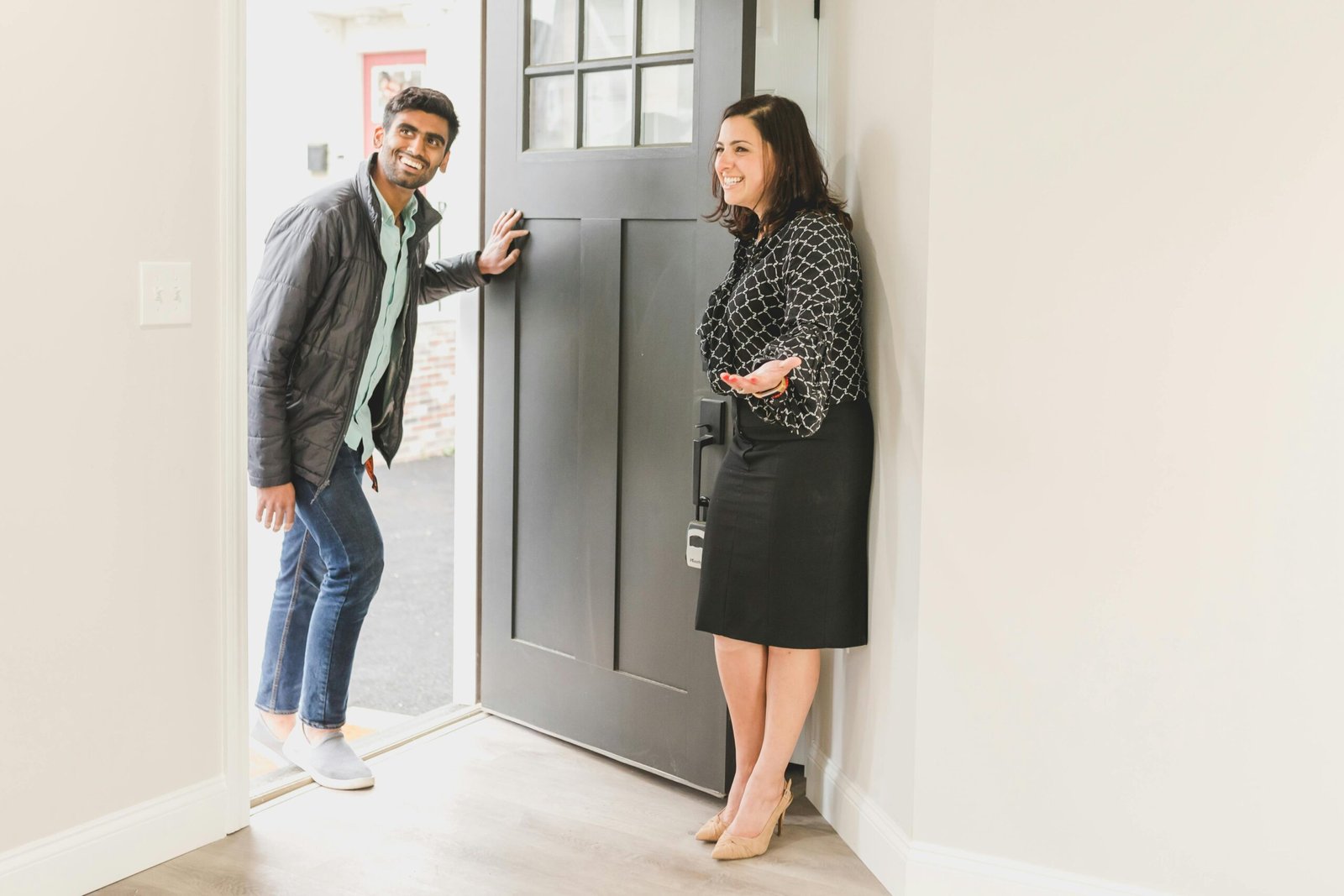
Finding the right student apartment is an exciting step toward independence, but it’s also a decision that requires careful attention. While many listings look great online, the real test comes when you tour the apartment in person or virtually. During a viewing, it’s important to look beyond surface appearances and identify any warning signs that could lead to problems later.
Knowing the red flags to watch for when touring a student apartment can help you avoid costly mistakes, unsafe living conditions, or unreliable landlords. This guide highlights ten common warning signs students should look out for before signing a lease.
Why Apartment Tours Are So Important
Photos and descriptions online often show properties in their best light. However, an in-person or live virtual tour allows you to see the actual condition of the apartment, evaluate the neighborhood, and ask important questions.
Apartment tours help you:
- Verify that the listing is legitimate
- Inspect the property’s condition
- Meet the landlord or property manager
- Identify hidden problems that photos may hide
Taking time to inspect the apartment carefully can prevent major issues after moving in.
10 Red Flags to Watch for When Touring a Student Apartment
1. Poor Maintenance or Visible Damage
One of the first warning signs is obvious maintenance issues.
Look out for:
- Cracked walls or ceilings
- Water stains or mold
- Broken appliances
- Damaged flooring or windows
These issues may indicate that the landlord does not maintain the property properly. If repairs aren’t handled before you move in, they could become ongoing problems during your tenancy.
2. Signs of Mold or Water Damage
Mold can pose serious health risks, especially in humid environments. During a tour, check for:
- Musty odors
- Dark spots on walls or ceilings
- Peeling paint
- Damp areas near sinks or windows
Water damage may signal plumbing issues or poor ventilation.
3. Poor Security Measures
Safety should always be a top priority when choosing student housing.
Pay attention to whether the property has:
- Secure locks on doors and windows
- Proper outdoor lighting
- Controlled access to the building
- Working intercom or security systems
If the building feels unsafe or poorly secured, it may not be the best environment for student living.
4. Unclear or Evasive Landlord Answers
During the viewing, ask questions about rent, utilities, maintenance, and lease terms.
Be cautious if the landlord:
- Avoids answering direct questions
- Provides vague or inconsistent information
- Refuses to explain policies clearly
A trustworthy landlord should be transparent about all aspects of the rental agreement.
5. Pressure to Sign Immediately
A major red flag is when a landlord pressures you to sign the lease on the spot or pay a deposit immediately.
Statements like:
- “This deal is only available today.”
- “You must send a deposit now to secure the apartment.”
can be warning signs. Legitimate landlords allow time for you to review the lease and make an informed decision.
6. Incomplete or Unprofessional Lease Documents
Before committing to any apartment, you should review a written lease agreement carefully to understand the rental terms and responsibilities.
Be cautious if:
- The lease lacks important details
- Payment instructions are unclear
- The document looks unofficial or poorly written
A proper lease should clearly outline rent, deposit requirements, maintenance responsibilities, and lease duration.
7. Poor Building Conditions
Even if the apartment itself looks fine, the overall building condition matters.
Look around for:
- Broken elevators
- Dirty hallways
- Poor lighting in common areas
- Damaged stairways or entrances
These signs may indicate poor property management.
8. Lack of Basic Amenities
Students often rely on certain conveniences to make daily life easier.
Check whether the property provides or allows access to:
- Reliable internet connections
- Laundry facilities
- Heating and cooling systems
- Study spaces or quiet areas
If basic amenities are missing, it may affect your comfort and productivity during the academic year.
9. Unsafe or Noisy Neighborhood
When touring a property, spend a few minutes observing the surrounding area.
Pay attention to:
- Street lighting
- Nearby public transportation
- Noise levels
- General cleanliness of the neighborhood
A convenient and safe neighborhood can significantly improve your student living experience.
10. Too-Good-to-Be-True Pricing
If an apartment seems much cheaper than similar properties nearby, proceed carefully.
Unusually low rent may indicate:
- Hidden fees
- Poor property conditions
- Scam listings
Always compare prices with other student apartments in the same area to understand the typical rental range.
Choosing Reputable Student Housing Providers
One way to reduce risks when searching for accommodation is to explore professionally managed student housing communities. These properties are specifically designed for student living and often include modern amenities, safety features, and on-site management.
With a growing portfolio of purpose-built student living developments, LIV Student has established itself as a leading PBSA provider.
Purpose-built student accommodation (PBSA) providers often focus on creating comfortable, safe, and well-managed living environments tailored to students’ needs.
Frequently Asked Questions About Touring Student Apartments
What should I bring when touring a student apartment?
It’s helpful to bring a checklist so you can evaluate each property carefully.
You may also want to bring:
- A phone or camera to take photos
- A notebook for writing observations
- A list of questions for the landlord
- Identification if you plan to apply immediately
Taking notes can make it easier to compare different apartments later.
How long should an apartment tour take?
Most apartment tours take 15 to 30 minutes, depending on the property size and the number of questions you ask.
Take your time during the tour and avoid rushing through important details.
Should I test appliances during the tour?
Yes, if possible.
Try checking:
- Water pressure in sinks and showers
- Light switches and outlets
- Kitchen appliances
- Heating or air conditioning systems
Testing these features helps confirm they are working properly before you move in.
Is it okay to take photos during a viewing?
Yes, many landlords allow prospective tenants to take photos for reference. Photos can help you remember details when comparing multiple apartments.
Just be polite and ask permission before taking pictures.
What questions should students ask during a viewing?
Some useful questions include:
- What utilities are included in the rent?
- How are maintenance issues handled?
- Are there quiet hours or building rules?
- Is renters insurance required?
- How long is the lease term?
Asking these questions can help you avoid surprises after signing the lease.
Final Thoughts
Touring a student apartment is your opportunity to carefully evaluate whether the property is the right fit for your lifestyle and budget. By watching for common red flags such as poor maintenance, unclear lease terms, security concerns, or suspicious pricing, you can protect yourself from unpleasant surprises later.
Taking a thoughtful, informed approach during apartment tours helps ensure that your new home will support your academic success and provide a comfortable living environment throughout the school year.
