


Have you ever woken up at midnight with acute back or shoulder pain? Do you keep tossing from side to side to find the sweet spot in the bed? Do you often wake up with a dull ache in your lower back or a stiffness in your shoulders?
Well, such pain points are common and you just need to do something about your mattress. However, replacing the mattress is a significant investment and a logistic headache.
What you can do is to add a mattress topper, a logical and practical solution that helps you get rid of sleeping problems.
What a Mattress Topper Actually Does
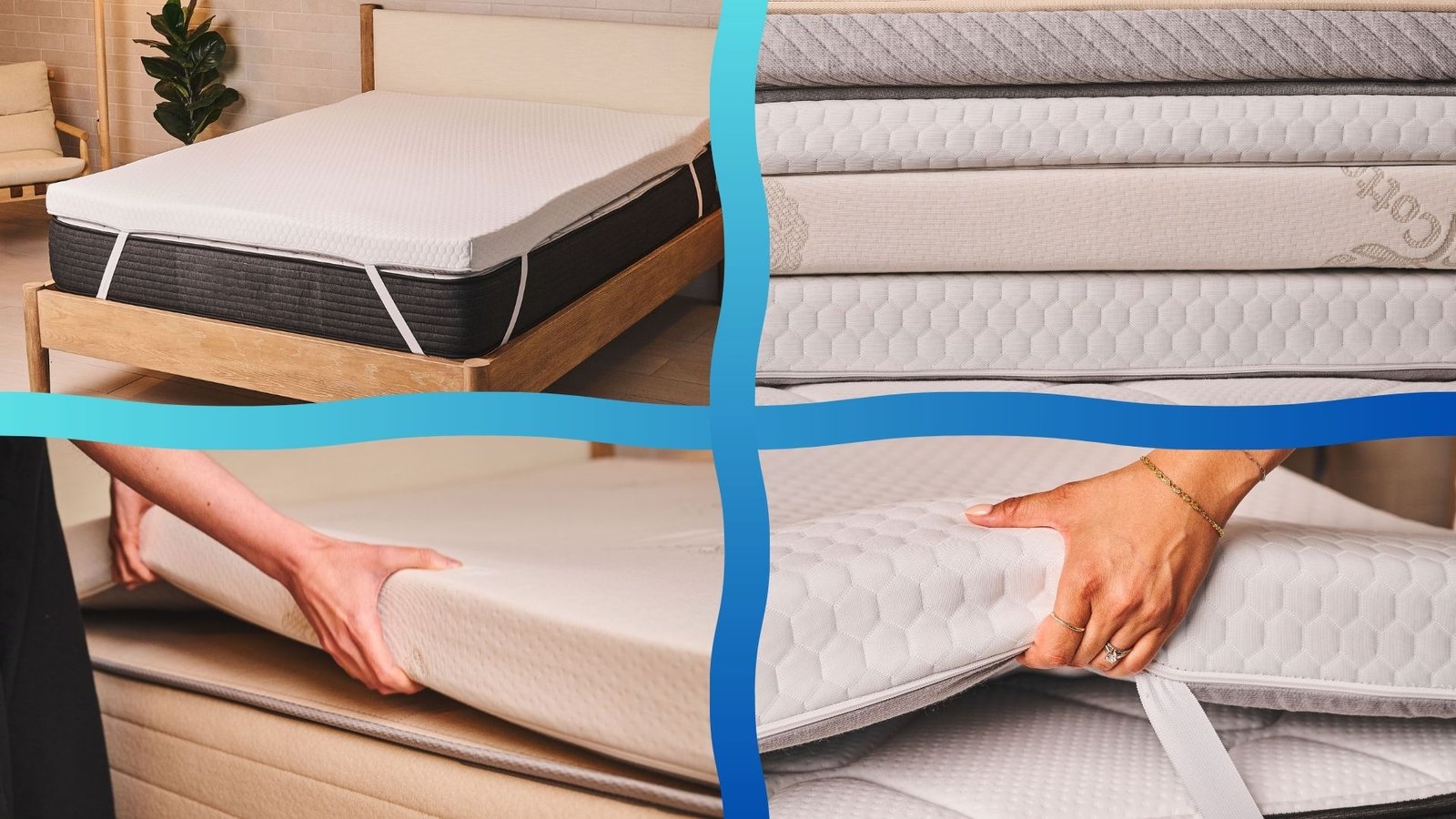
As its core, a mattress topper offers a thick layer of cushioning of two to four inches, placed directly on top of your existing mattress. Unlike a thin mattress pad for hygiene reasons, a topper is designed to alter the feel of your bed and offers immediate relief from bed issues.
When your current mattress is too firm, a topper adds a layer of plushness. If your mattress has started losing its support, a topper adds a necessary buffer of density. It is an additional comfort layer of your mattress that offers a fresh interface between your body and the support coils or foam base below.
Remember, a mattress can soften a hard bed or add support to a stiff, flat one, but cannot fix an already damaged mattress.
Why Sleep Discomfort Often Starts at the Mattress Surface
To get deeper sleep, one of the important factors is how your body interacts with the surface. Mostly, sleep discomfort originates from three factors: pressure points, improper firmness, and heat retention.
For example, when a mattress is too hard, the body weight falls on your shoulders and hips, leading to restricted blood flow and restless tossing. On the other hand, when the mattress is too soft, it will affect your midsection, pulling your spine out of its natural curvature.
With time, these micro-strains will build up, leading to chronic morning grogginess and body pain.
Moreover, old mattresses start trapping heat, making your bed a “sleep oven.” It will prevent your core temperature from dropping and make you restless and groggy.
How Mattress Toppers Support Better Sleep and Back Comfort
When you add a high-quality mattress topper into your bedroom, it offers a wide range of psychological benefits. For example, you will find a level of sleep quality improvement by rebalancing the bed’s surface tension. Let’s check out some benefits of introducing a new mattress topper to your bedroom.
1. Pressure Point Relief
One of the most significant mattress topper benefits is the immediate reduction of pressure in sensitive areas. Thanks to the high-density materials contour to your unique shapes of your hips and shoulders, your body weight will be distributed evenly across the surface.
2. Improved Spine Alignment
When you introduce a mattress topper for back pain, it will fill the gap between your body and the bed. If you are a side sleeper, it will support your waist and for back sleepers, it will cradle the lumber spine. Throughout the night, your vertebrae will stay in a neutral line.
3. Reduced Motion Transfer
A mattress topper also serves as a shock absorber, especially toppers with memory foam options. It will dampen the vibrations of a partner turning over, allowing you to remain in a deep sleep state.
4. Temperature Regulation
Modern toppers have a feature called open-cell structures or gel infusions, to pull heat away from the body. It regulates the temperature of the body and helps you sleep deeper throughout the night.
5. Enhanced Durability
After introducing a topper, your body and movement will directly deal with it, keeping the mattress protected from premature wear, improving the life of your original investment.
Choosing the Right Mattress Topper for Your Sleep Style
When it comes to selecting the best mattress topper for your home, remember that you worry more about the benefits it has to offer, and not the price.
If You Wake Up With Back or Shoulder Pain
If body pain is the reason why you want to buy a topper, go for a balance between sink and push-back. A too soft topper will cause you to bottom out, and the hard one will not relieve pressure. Go for a medium-firm density that will offer back pain relief while sleeping.
If You Sleep Hot or Sweat at Night
For hot sleepers, breathability is the solution. Going for wool or specialized cooling mattress topper options will serve the purpose. Graphite or gel-infused options are also available in this range. These materials will allow airflow and prevent the stagnant heat trap common in traditional foams.
If Your Mattress Feels Old but Still Usable
For old mattresses (5 to 7 years) with structural integrity, a thicker topper (3 inches or more) can provide a substantial comfort upgrade, saving you from a huge investment and making an aging bed feel revitalized for a few more years.
Common Mattress Topper Types Explained Simply
There are multiple mattress topper types that you need to understand before making a purchase.
- Memory Foam: It is also known as sinking toppers, offering elite pressure relief and serving the purpose for people who need deep contouring.
- Latex: A latex mattress topper is more responsive and bouncy than memory foam. If you don’t want to feel stuck in your bed and prefer natural, eco-friendly materials, go for a latex topper.
- Gel-infused Foam: It is essentially foam with cooling beads that is designed specifically to fight the heat retention issues.
- Fiberfill/ Down Alternative: Go for brands like Madison Park essentials that offer plush, quilted toppers that feel like giant pillows. It will add a cloud-like softness to a bed and serve the core purpose as well.
Thickness, Firmness, and Fit — What Really Matters
When it comes to mattress topper thickness, it ranges from 1 to 4 inches. A 1-inch topper can be used to make a slight change in texture. For genuine spine alignment during sleep, go for 2-3 inch toppers. If you are a heavy individual, you will need a thicker, denser topper to ensure they don’t compress the material entirely.
Before the purchase, measure the topper and ensure that it matches perfectly with your mattress size. Modern toppers are available with elastic straps or non-slip bottoms to prevent the shifting that can occur if you move frequently during the night.
How to Use and Care for a Mattress Topper
When you get your topper at home – especially if it’s a memory foam mattress topper – it will likely be vacuum-sealed. It will take 24 to 48 hours for full expansion. Keep it in a well ventilated room to off-gas any factory odors.
When it comes to maintenance of toppers, use a mattress protector over a topper, preventing sweats and oils from degrading the foam. Rotate the topper 180 degrees every six months to ensure even wear and prevent permanent body indentations from forming.
Is a Mattress Topper Worth It Today?
Today, we are blessed with advanced bedding technologies with smart toppers that can address our bedding pain points. If your mattress is structurally well, but uncomfortable, spending $150-$200 on a high-quality topper is a good and smart decision, rather than buying a new mattress. For renters, students, or anyone looking to customize their sleep environment without any significant investment, going for a topper is the right decision.
Conclusion
Expecting a good night’s sleep is not something that you consider a luxury. If you are dealing with chronic shoulder and back pain due to the mattress’s firmness, this is the right time to turn to a customized, effective, and affordable mattress topper. Make sure that you choose the right material and thickness for your specific needs to transform your current bed into a supportive haven.
